World Hearing Month reminds us how essential it is to stay connected to your loved ones and everyday sounds. A simple hearing test can unlock a healthier life.
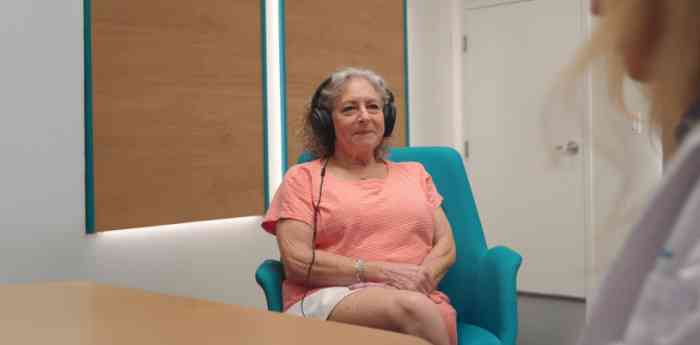
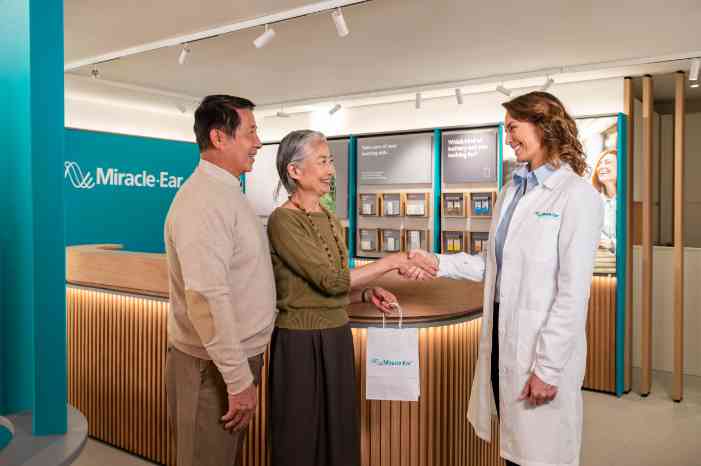
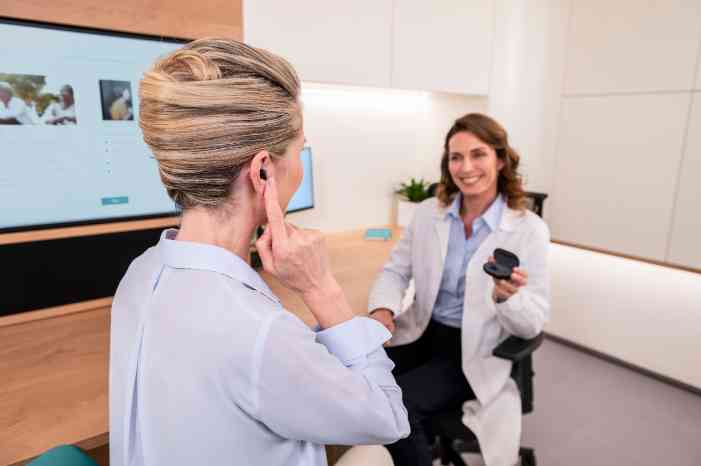
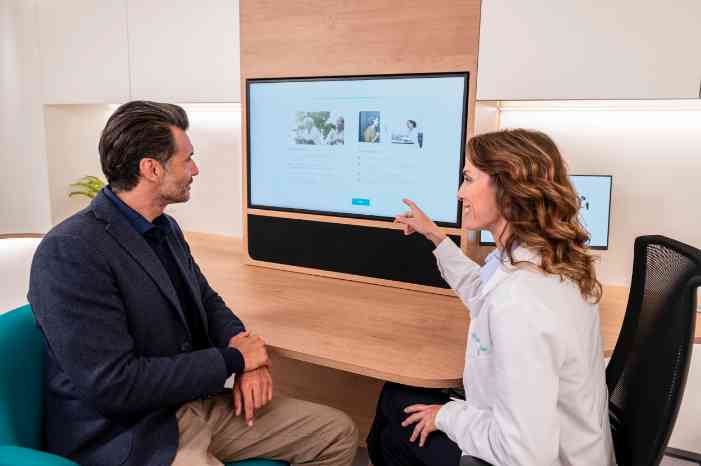
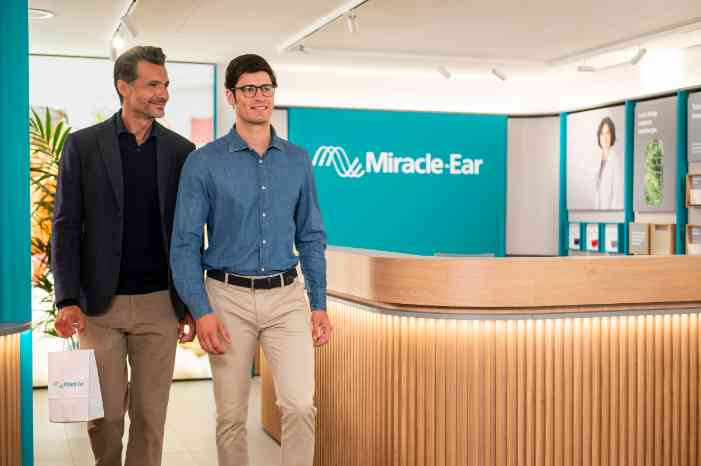
With Test the Nation, Miracle-Ear is calling on Americans everywhere to take that first step. That’s why we’re offering FREE hearing evaluations** in your community. This is your opportunity to meet with our licensed experts, check your hearing, and explore next steps, whether it is protecting your hearing or addressing any loss you may have.
This isn’t just one appointment — it’s part of a bigger mission to put hearing health first in our community. From March 9th to 22nd, be one of the thousands to claim a FREE hearing evaluation. Every test counts—especially yours. Call your local Miracle-Ear store or book online to get started.
"I have never had such an extensive hearing exam."
"The staff at Miracle-Ear is wonderful!! They are so kind, helpful, and caring. [Their expert] is amazing! She knows her craft very well, and she lets you know that she will be available if and when you have questions or need her help."
"I was struggling with hearing loss and, over the holidays, I couldn’t enjoy conversations going on around me. When I tried my Miracle-Ear hearing aids, I almost cried—I had no idea how much I was missing! I can’t wait for the next family gathering!"
*Miracle-Ear Test the Nation valid from March 9-22, 2026, at participating Miracle-Ear stores only.
**FREE Comprehensive Hearing Test: Our hearing evaluation and video otoscopic inspection are always free. A hearing evaluation is an audiometric test to determine proper amplification needs only. These are not medical exams or diagnoses, nor are they intended to replace a physician's care. If you suspect a medical problem, please seek treatment from your doctor.
Hearing aids do not restore natural hearing. Individual experiences vary depending on the severity of hearing loss, accuracy of evaluation, proper fit, and ability to adapt to amplification.
1Reed, AuD, N. (2023, January 10). New study links hearing loss with dementia in older adults. Johns Hopkins Bloomberg School of Public Health.