couple in the park
Emotional support for hearing loss

Hearing loss support for a loved one

Provide hearing loss support to your loved ones who may be unsure about seeking help with these conversation starters from the experts at Miracle-Ear.
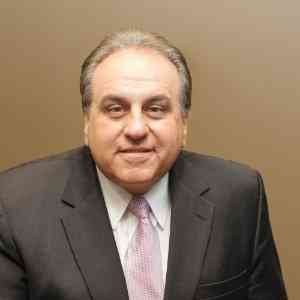
Dr. Tom Tedeschi

Dr. Thomas Tedeschi, Au.D.

Chief Audiology Officer, Miracle-Ear

"My husband recently had his hearing tested by a Miracle-Ear provider and was told that he needs hearing aids. This is something I already knew, but my husband doesn’t think his problem is that bad and feels he doesn’t need hearing aids. What can I say to convince him otherwise?"

Did you know?
About 1/3 of people in the United States between the ages of 65 and 75 have some degree of hearing loss.

You bring up a common dilemma in which a spouse or other family member is acutely aware of the hearing loss and motivates the loved one to get help. Remember, however, that you can only push so hard. Your husband has to take responsibility for his own hearing. When the time is right, consider sharing the following information in a gentle, non-judgmental way to provide hearing loss support for your loved one.

As it gets worse, hearing loss can be more difficult to treat.

For most people, hearing loss typically gets worse. But because it happens so slowly and painlessly, the individual is often unaware of it. Here's the real problem: The more a person's hearing deteriorates, the more difficult it becomes to rehabilitate once it has been recognized and accepted.

Two women having breakfast

Hearing Diseases and Health Concerns

Hearing plays an important role in our health. You may be surprised by how hearing health affects and is affected by other systems in our body, from mental health to physical health. Hearing loss is connected to many other health conditions throughout the body. While hearing loss may not be the cause of these diseases or conditions, it is considered a risk factor for many.

Speech understanding decreases with untreated hearing loss.

As we lose our hearing, we also lose our ability to "discriminate," or understand, sounds—especially high-frequency speech sounds. Again, the longer a person delays getting hearing help, the more challenging it is to provide assistance with speech discrimination.

Cognitive overload may increase the risk of dementia.

A number of studies have shown that people with untreated hearing loss experience an overload of the brain's cognitive functions—which may lead to an earlier onset of dementia.

Hearing loss is linked to a higher risk of dementia, falls, and depression.

Johns Hopkins Bloomberg School of Public Health 2021

When the time is right, your Miracle-Ear provider will be ready to help your husband complete his journey to better hearing.

Visit us in a Miracle-Ear center for more information

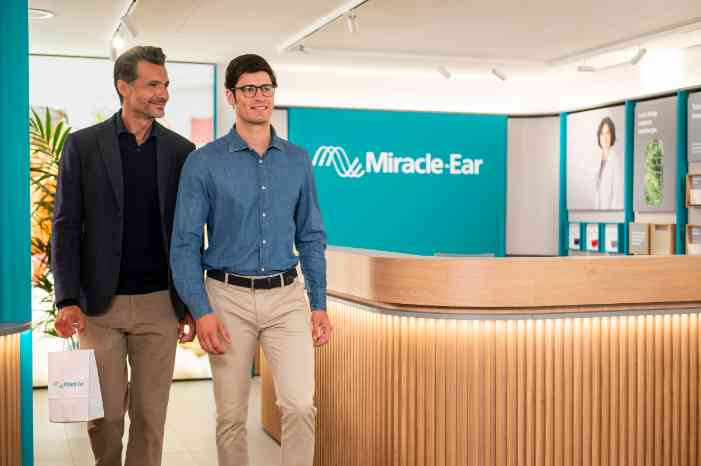
store outside
Find the Miracle Ear store closest to you
We’re here for you wherever you’re at home or traveling with experts at over 1,600 locations nationwide.
Find your nearest store
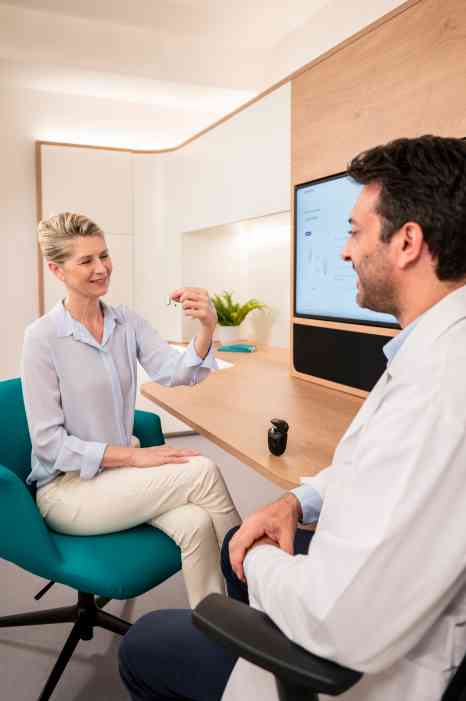
patient and audiologist inside store
Book a free appointment online
Join the millions of Americans who have trusted Miracle-Ear for hearing care that’s tailored for their needs.
Book an appointment
Audiologist and client inside store
Let our certified experts help you
For generations, we've been pioneering better hearing through our personalized approach to care and continued innovation.
More about our experts
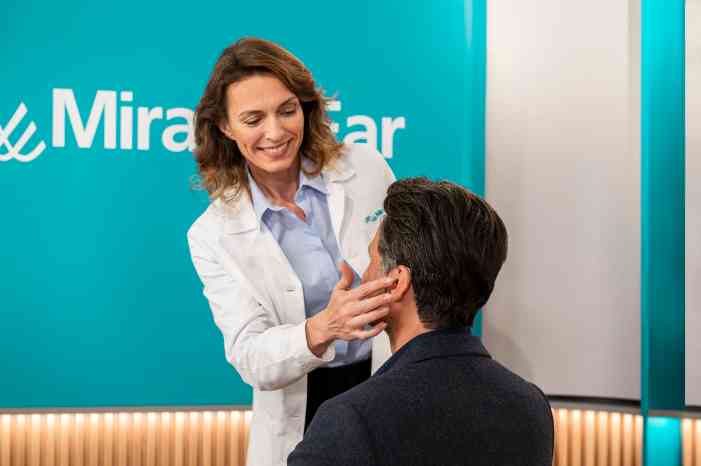
Hearing aid adjustment with professional assistance

Do you need more information? Contact us

Complete the form and someone from our team will reach out to you. With over 1,600 stores nationwide, we'll help you find the one closest to you.

Get support and advice

Book an appointment online

Book now

Take a free online hearing test

Start test

Find a hearing aid center near you

Search now