Age-related hearing loss is one of the most common conditions affecting older adults. Also known as presbycusis, it develops gradually over time and often goes unnoticed until communication becomes difficult. While hearing changes are a natural part of aging, they should never be ignored. Early diagnosis and appropriate treatment can improve communication, support cognitive health and maintain quality of life. This guide explains what age-related hearing loss is, why it occurs, who is most at ri
Age-related hearing loss, medically known as presbycusis, is the gradual decline in hearing that occurs as people get older. It is a type of sensorineural hearing loss caused by changes in the inner ear, auditory nerve and brain's hearing pathways. The condition usually affects both ears equally and tends to worsen slowly over many years.
Never underestimate the importance of ear care, your hearing might depend on it.
Several biological changes contribute to hearing loss as we age. The most common causes include:
In many individuals, hearing loss results from a combination of these age-related and environmental factors.
There is no single age when hearing loss starts. For some people, subtle hearing changes appear during their 50s, while others maintain excellent hearing well into their 70s. Several factors influence when hearing begins to decline, including genetics, occupational noise exposure, overall health and lifestyle. As people grow older, the likelihood of developing measurable hearing loss increases significantly.
One of the best ways to care for your ears and prevent hearing loss is to get them properly examined by a hearing care professional. Find your nearest Miracle-Ear store to get started on your journey to better hearing.
Hearing loss is one of the most common chronic conditions among older adults. It may initially affect high-frequency sounds, making speech less clear—especially in noisy environments. Many people experience difficulty understanding conversations long before they realize their hearing has changed. The condition can also influence social participation, emotional well-being and overall health if left untreated.
The symptoms of age-related hearing loss often develop gradually and may include:
Because these symptoms usually progress slowly, they are often mistaken for normal aging.
Millions of Baby Boomers are reaching the age when hearing loss becomes increasingly common. However, today's older adults are more active than previous generations and are seeking earlier diagnosis and more advanced treatment options.
Modern hearing healthcare focuses not only on improving hearing but also on supporting communication, independence and long-term cognitive health.
Although age-related hearing loss cannot always be prevented entirely, healthy habits may help reduce the rate of decline. Recommended strategies include:
These steps can help preserve hearing function for as long as possible.
Explore how hearing health connects with overall health, wellbeing and quality of life in everyday situations.
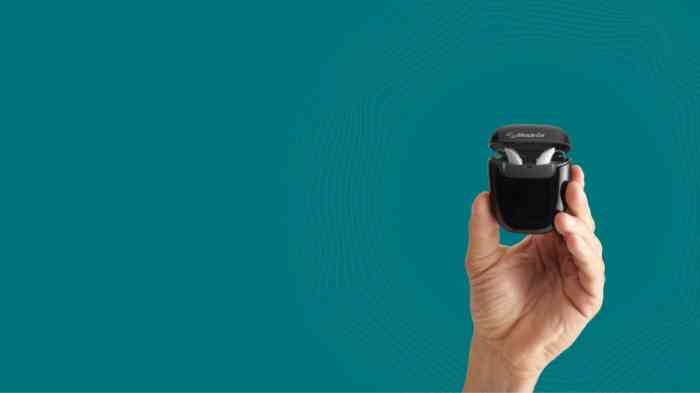
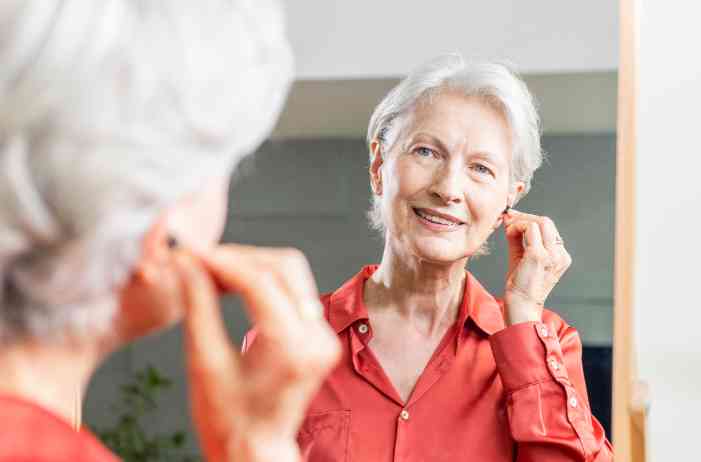
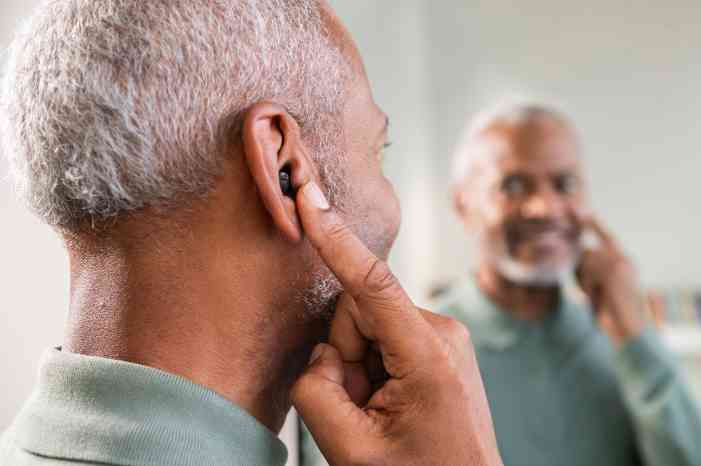
For many people, hearing aids are the most effective treatment for age-related hearing loss. Today's devices use sophisticated digital technology to improve speech understanding while reducing background noise.
Treatment may also include hearing rehabilitation, communication strategies and ongoing hearing care from a hearing care professional.
Recent research has also highlighted the relationship between hearing health and cognitive function, making early intervention increasingly important.
If you notice that conversations are becoming more difficult, television volume keeps increasing or family members frequently comment on your hearing, it's time to schedule a comprehensive hearing evaluation.
Early diagnosis allows treatment before hearing difficulties begin affecting everyday life.
Take a free online hearing test now and check your ability to understand conversations in different environments.
Not everyone experiences hearing loss to the same degree, but the risk increases significantly with advancing age, especially if left untreated.


 Think you might be experiencing hearing loss?