Being able to make your own choices and live independently brings so much joy to life. Whether you enjoy going to the farmers’ market on the weekend, spending time with friends in your community or traveling to new places, having the ability to do the things you love is important.
When unexpected changes like health issues disrupt our routines, it’s natural to feel concerned about how our autonomy might be affected. Noticing difficulties in hearing is no exception—it can feel worrisome at first, and some might even choose to ignore the problem, believing that getting help will lead to a loss of independence. But that couldn’t be further from the truth. While accepting changes to your hearing health can take time, addressing the issue as soon as possible is the best course of action. Hearing aids make it possible to continue using independent living skills in more ways than you might realize.
Never underestimate the importance of ear care, your hearing might depend on it.
There are numerous daily activities that we don’t typically give much thought to and may even take for granted (think: grocery shopping, eating at a restaurant or doing laundry). When you look at your routine closely, you’ll realize that hearing well makes so many tasks and interactions possible. When you neglect caring for hearing health, some of your abilities and independence slip away because you’re unable to pick up on audible cues.
So, what do hearing aids do to help you maintain your independence? Hearing aids restore the missing sounds your ears can no longer naturally pick up on their own, allowing you to keep doing all the things that make you who you are, while maintaining independent living skills.
Here are just a few activities where wearing hearing aids can improve your quality of life:
Untreated hearing loss is one of the leading drivers of social isolation. When following conversation becomes effortful, many people begin to withdraw from the social situations they once enjoyed — family gatherings, phone calls with friends, community events. Over time, that withdrawal takes a real toll on mental health and wellbeing.
Hearing aids restore the ease of communication that makes relationships possible for many people. Whether you're talking on the phone, catching up with friends on a walk, or joining a family dinner, hearing aids help you stay present and connected — which is at the heart of independent living.
Independent living means being able to manage your own household — and that requires hearing the sounds that tell you what's happening around you. The dishwasher finishing its cycle, the dryer buzzing, a smoke alarm, a knock at the door, the sound of a car that needs attention: these are all auditory cues that hearing loss can make difficult or impossible to detect.
Hearing aids help you stay aware of your home environment, supporting both the practical management of daily tasks and your personal safety.
One of the most compelling reasons to treat hearing loss promptly is its connection to cognitive health. Research has established a significant association between untreated hearing loss and accelerated cognitive decline — with some studies finding a substantially higher risk of dementia among those who leave hearing loss untreated.
The mechanism involves what researchers call cognitive load: when the brain must work harder to decode incomplete sound signals, it draws on resources that would otherwise support memory, attention, and executive function. Treating hearing loss with hearing aids reduces that load — allowing the brain to process sound more efficiently and preserving cognitive resources for other tasks.
For anyone committed to maintaining their independence as they age, addressing hearing loss early is one of the most evidence-backed steps they can take.
The connection between hearing loss and mental health is well-documented. Hearing loss is independently associated with elevated rates of depression, anxiety, and feelings of isolation. When communication becomes effortful and social situations feel overwhelming, withdrawal is a natural response — but one that compounds over time.
Hearing aid users consistently report improvements in emotional wellbeing alongside improvements in hearing. The ability to communicate with ease, follow conversation without strain, and participate fully in social life has a direct and measurable impact on quality of life — and on the sense of independence that comes with being fully present in the world.
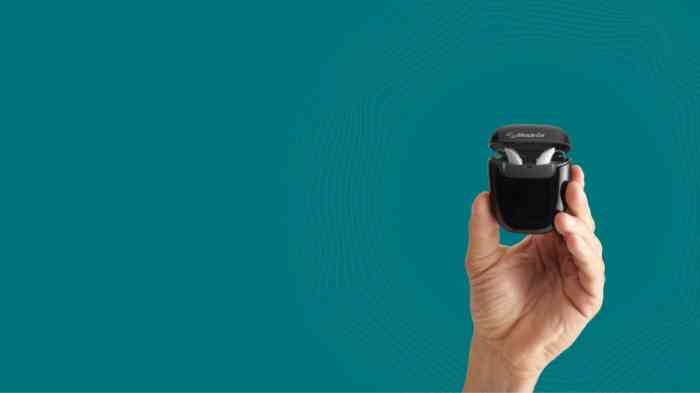
Today's hearing aids are designed to integrate seamlessly into active, independent lives — and the options available reflect that. Some people feel most comfortable with a hearing device that goes unnoticed. Miracle-Ear’s discreet family of hearing aids —including the Miracle-EarMINI™ family —are comfortable, small and nearly invisible—perfect for anyone who doesn’t want hearing loss to define them. For those who would rather not deal with tiny batteries, rechargeable devices offer a convenient alternative, with a sleek charging case that’s easy to bring wherever life takes you.
Modern technology ensures hearing aid wearers can keep up with everyday life and show up fully engaged. Hearing aids with Bluetooth capabilities seamlessly connect to compatible technology like some smartphones and televisions, so the sounds stream directly into your ears for ultimate clarity, rather than traveling from the speaker.
Ready to get started? If you’re considering how a hearing device could empower you to maintain your lifestyle or wondering when to get a hearing aid, keep in mind that it’s best to take action and speak with a specialist as soon as you can. People typically wait 10 years to treat hearing loss, missing out on everyday sounds that they could be enjoying with a hearing aid. The decision to purchase hearing aids is a big one, and one that can truly change your life for the better—why wait?
Whether you’re just starting to learn about hearing aids and have simple questions like “what are hearing aids?” and “do hearing aids really work?” or you already have an idea of which device might work for you, Miracle-Ear specialists are available to help. Hearing care providers can answer questions, identify your unique needs and discuss the many different types of hearing aids available.
Adjusting to your new devices will likely be exciting but can take time, as you get used to hearing differently in new environments and learn how to integrate them into your daily routine. It’s important to be patient with yourself during the transition to hearing more fully and to rely on your Miracle-Ear provider for support. Every step of the way, they’ll be ready to advocate for you and help find solutions that empower you to take advantage of independent living.



 Learn how tomorrow's hearing aids can help you today

 Schedule your free hearing test