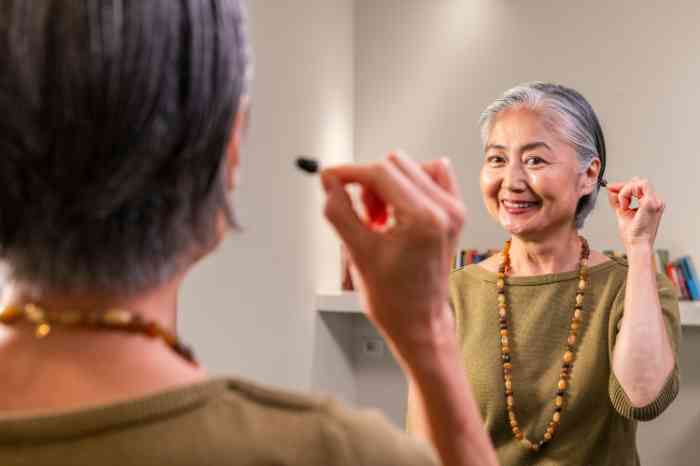
Accepting hearing loss takes time, and that's completely normal. Feelings of frustration or embarrassment are common, especially in the early stages. But recognizing what's changed is the first step toward making daily life easier for yourself and the people around you.
Join the millions of Americans who have trusted Miracle-Ear for hearing care that’s tailored to their needs.
Living with hearing loss means adopting new habits that make communication easier and less tiring. Small changes in how you interact with others can make an enormous difference, reducing stress and listening fatigue. Being open about your hearing loss with the people around you creates an environment of mutual support — one where everyone feels more at ease.

Ask for face-to-face conversation
Seeing the speaker's lip movements and facial expressions gives your brain valuable visual cues. These play a far bigger role in understanding speech than most people realize.

Optimize lighting

Use streaming technology
Link your hearing aids directly to your smartphone or TV for clear, uninterrupted sound without background interference.
Discover the 11 best free smartphone apps for hearing impaired users

Choose strategic seating

Take listening breaks
The emotional weight of hearing loss is real. Hearing someone speak but not being able to make out their words can spark frustration and self-doubt — and over time, the temptation to withdraw from conversations altogether. But isolation tends to make things harder, not easier. Talking openly about your experience with friends, family, or a hearing care professional helps normalize what you're going through, eases social anxiety, and makes it easier for the people around you to support you. In this section, you'll find a series of guides for navigating the most common everyday challenges, with practical strategies and expert advice.
For many people, the workplace is where hearing loss becomes hardest to ignore. Following fast-paced meetings, catching instructions across a noisy office, or keeping up on a conference call all require a level of listening effort that quickly becomes draining. Being open with colleagues about your needs — and making a few practical adjustments to your environment — can make a significant difference to both your performance and your wellbeing.
Discover more:
Hearing loss doesn't necessarily mean giving up driving, but it does mean being more intentional behind the wheel. Many people with hearing loss compensate naturally by relying more on visual cues — checking mirrors more frequently, paying closer attention to traffic signals, and reducing distractions inside the car. Understanding how hearing loss affects your driving and what adjustments help keeps you safe and confident on the road.
One of the biggest challenges of living with hearing loss is the pull toward withdrawal. When following a group conversation becomes exhausting, staying home starts to feel easier than showing up. But isolation has real consequences for mental health and cognitive function.
Getting back to social life is an achievable goal — start with smaller groups and quieter environments where you can practice your new listening strategies without feeling overwhelmed. Cultural activities like movies, concerts, and theater, with the right assistive technology, can help you feel like a full participant in community life again. The goal isn't a perfect experience every time. It's staying in the game.
Never underestimate the importance of ear care, your hearing might depend on it.
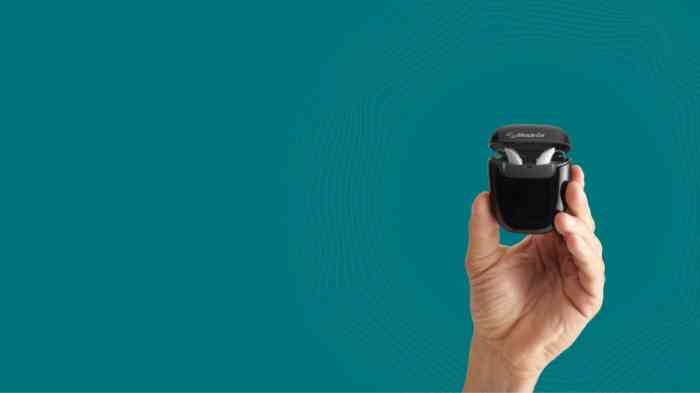
Living with hearing loss today looks very different from even a decade ago. Modern hearing aids are nearly invisible, incredibly intelligent, and designed to process sound in a way that feels natural and dynamic. They don't just amplify volume — they work on sound contrast, isolating voices from background noise and automatically adjusting to different environments.
Connecting your devices directly to your smartphone or TV means you can stream audio clearly, take phone calls with confidence, and enjoy entertainment the way it was meant to be heard.
No one should have to navigate hearing loss alone. The support of family and friends is one of the most valuable resources available to anyone dealing with a change in their hearing. Helping the people around you understand a few simple communication habits — facing you when they speak, reducing background noise, rephrasing rather than repeating — transforms your home and social life into a more inclusive, comfortable space. And the more your loved ones understand about the emotional side of hearing loss, the better equipped they'll be to support you in the right way.
The collaboration between you, your family, and your hearing care specialist creates an ecosystem of support that makes adaptation not just possible, but sustainable.
Living well with hearing loss means staying proactive. Regular check-ups and consistent maintenance of your hearing devices ensure your hearing is always supported at the best level available — and research shows that addressing hearing loss consistently helps protect cognitive function over the long term, keeping you active and connected as the years go on. At Miracle-Ear, our hearing care specialists provides free unlimited* evaluations, personalized fittings, and ongoing support to make sure you get the most out of your solution every day.
Hearing aids do not restore natural hearing. Individual experiences vary depending on severity of hearing loss, accuracy of evaluation, proper fit and ability to adapt to amplification.
*Cleanings and in-office service for hearing aids are always free. Miracle-Ear® lifetime service not included with hearing aids purchased utilizing some insurance benefits. See store for details.




 Schedule your free hearing evaluation today!