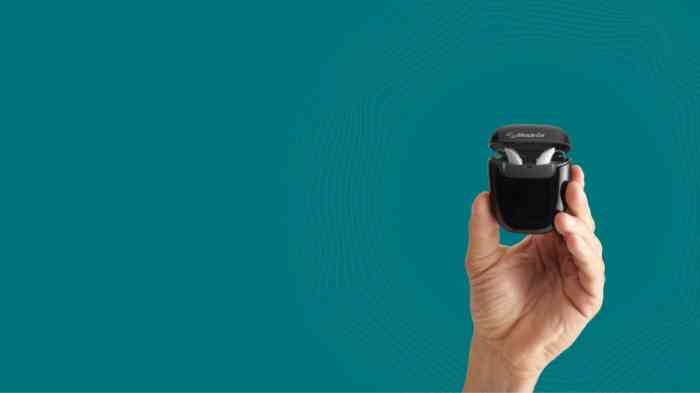
Hearing aids are amazing devices—except when they’re not working properly. Just like other pieces of technology, they can sometimes experience technical issues. While it’s possible to troubleshoot some issues on your own, others go beyond DIY fixes and need repair. Let’s look at how to tell the difference and what to do if your devices need professional help.
When you’re experiencing an issue with your hearing aids, troubleshooting the problem yourself is typically the place to start. But if nothing improves, the next step is to contact your hearing care professional. You should also schedule an appointment if:
Depending on the type of repairs needed, your provider may be able to do them in-storeduring your appointment. Sometimes, however, that’s not possible and your hearing aids have to be sent to the manufacturer for necessary repairs.
Learn more about how your hearing works from certified experts.
Some common problems that your hearing care professional or the manufacturer would need to repair include:
The cost of hearing aid repairs depends on the details of the problem, and your devices need to be evaluated by a professional to determine a price or estimate. Luckily, many hearing aids come with a warranty when you purchase them. This is something you should consider when speaking with hearing care professionals and deciding which hearing aid provider to choose. Miracle-Ear offers a limited 3-year warranty* that covers all repairs, so you can always make sure your hearing aid is working exactly as it should.
Before you make a call about repairs, there are a few things you should try—and your care team at Miracle-Ear will likely ask you if you have. Try these troubleshooting methods if you’re experiencing problems or visit our troubleshooting checklist page.

1. Turn it on

2. Re-insert it

3. Check the volume

4. Re-insert the battery
5. Change or charge the battery

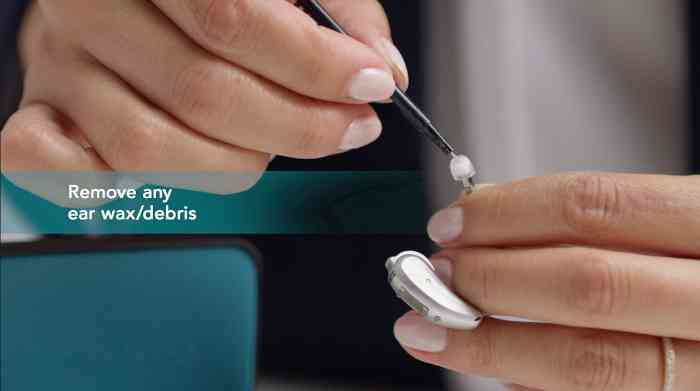
6. Clean it
There are several hearing aid issues that can typically be solved by some simple troubleshooting steps before considering a repair. These include:
Water damage is one of the most common — and most urgent — reasons people seek hearing aid repair. Exposure to moisture, whether from sweat, rain, or accidental submersion, can affect the microphone, receiver, and internal circuitry of your device.
If your hearing aid has been exposed to water, here's what to do:
If the device still doesn't work after drying, contact your Miracle-Ear hearing care professional as soon as possible.
Miracle-Ear's 3-year warranty covers a wide range of repairs — speak with your hearing care professional to understand what your plan includes and whether water damage is covered.
While there are some simple ways to troubleshoot hearing aid issues, it’s best to prevent problems before they even happen. The most effective way to do this is to clean and care for your hearing aids regularly. Here are some simple tips:
Similarly, keeping your ears themselves clean will help minimize issues like debris and moisture in your hearing aids.
Repair times vary depending on the nature of the issue. Many repairs can be resolved quickly in-store during your appointment. For more complex repairs that require our dedicated repair team, turnaround times may vary — our specialists are committed to completing every repair to the highest standard of quality.
When you bring your hearing aid in for repair, our hearing care professional will start by troubleshooting the device in-store. Many issues can be resolved right then and there, without any further steps needed.
If a more complex repair is required, your device will be carefully shipped to our dedicated repair team for a full diagnosis and fix. Once the repair is complete, your hearing aid will be sent back to your Miracle-Ear center, where our hearing care professional will verify that the fit and sound are excellent before returning it to you.




.jpg/jcr:content/renditions/cq5dam.web.700.700.jpeg)
 Our experts are here for you wherever you may be