Explore TSA-friendly tips, extended Bluetooth® connectivity, and water-resistant hearing aids. Pack smart with cleaning kits and protective cases for worry-free travel.
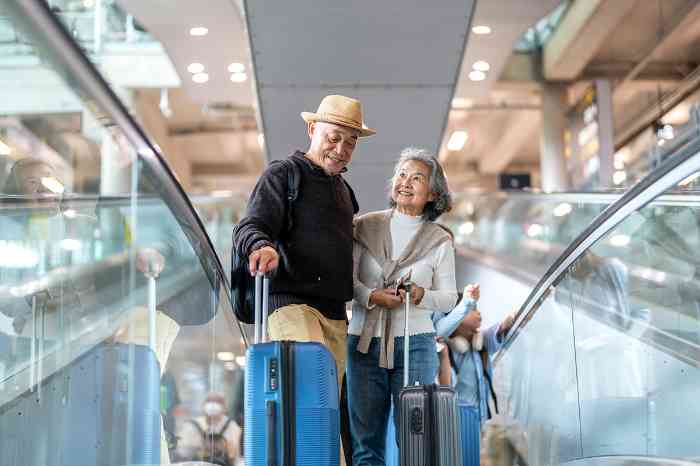
As we age, many people travel a bit more—whether you’re a snowbird heading south for the winter, completing a bucket-list trip, or just enjoying more free time.
However, growing older may also have brought the need for more accommodation, such as managing hearing loss or using mobility aids—but that doesn’t mean you can’t take the trip you’ve always talked about. The good news about modern hearing aids is that they’re designed to complement your lifestyle, not hinder it.
If you’re nervous about getting your hearing aids through airport security, navigating noisy tourist spots, or protecting them from the chaos of travel, we’re here to remind you that modern technology makes all of that easier than ever.
The thought of flying with hearing aids can bring uncertainty. You may be wondering:
Don’t worry: Hearing aids can be worn throughout your flight journey—including security, takeoff, and landing.
Airport security and hearing aids can be seamless. They don’t set off metal detectors, so you're not required to remove them during screening—though it’s helpful to inform TSA officers beforehand.1 In fact, keeping your hearing aids on makes it easier to hear important announcements, like gate changes.
As for ear pain during flight, airplane ear happens when the air pressure in the middle ear and the environment are out of balance, causing discomfort. This can happen whether or not you wear hearing aids. Yawning, swallowing, or chewing gum usually improves symptoms.
Pro tip: If it brings extra reassurance when traveling with hearing aids, reserve an aisle seat for easier communication with flight attendants and inform them about your hearing loss so they can better assist you.
For hearing aid users, there are extra logistics to plan for, such as:
Navigating noisy environments: Airports, restaurants, and tourist destinations often present challenging environments where hearing aid users may miss important announcements, tour guide information, or social interactions.
Hearing aid care on the go: Different climates, such as rain, humidity, and beach activities, signal potential concerns about damage or malfunctions when away from home. Plus, the shuffle of travel puts devices at risk of damage or loss.
Fortunately, for people with hearing loss, advanced technology in modern hearing aids alleviates these challenges, so you don’t have to give them another thought.
Some Miracle-Ear hearing aids utilize Auracast technology—a feature built on Bluetooth’s LE audio system that lets your hearing devices connect to broadcast audio streams, such as the public announcements system at the airport. With Auracast technology, you can connect your hearing aids to the audio stream at your gate, so that all the announcements go directly into your ears rather than having to strain to hear them ambiently.
Since Auracast is a newer technology, not all hearing aids are equipped with that capability, however. Many older models feature Telecoil technology, which also allows direct connection to PA systems without special equipment.
When traveling, you’re often exposed to more moisture than in your daily life—whether that’s being caught in unexpected rain when exploring a new city, getting splashed at the beach, or visiting humid destinations. But waterproof hearing aids can give you peace of mind and extra durability when you’re on the go. Miracle-EarBLISS™ hearing aids feature eight protective layers of water resistance designed to withstand sweat, rain, dirt, and dust.
Note: While these are waterproof hearing aids, they cannot be fully submerged in water. Please remove them before swimming or taking a shower.
To keep your trip smooth, we recommend packing these items:
Pro Tip: To keep items organized and easy to access, packing cubes are great to use in your carry-on luggage.
Hearing aid care is important, no matter where you go. Traveling to a new place is another story. Pay attention to:
Keep your hearing aids in top shape while away from home. Here’s how to clean hearing aids each night:
Vacation is supposed to be fun—and your hearing aids shouldn’t add stress. Plan now, so you can unwind later.
Before leaving, add the following to your to-do list:
If your hearing aids break or malfunction when you’re traveling, don't fret. The Miracle-Ear app can be a great resource while traveling. From remote adjustments to troubleshooting, download ahead of time. Support is only a click away if you need it.
Pro tip: With more than 1,600 Miracle-Ear locations nationwide (including locations in Hawaii, Alaska, and Puerto Rico!), you can find in-person help on all your domestic travels and quickly return to your travel itinerary.
Preparing for a trip is stressful enough without hearing aid care logistics. Today’s advancements mean hearing aids enhance travel, not limit it. With Auracast, water resistance, extended battery, and optimized Bluetooth range, you can embrace your adventures with confidence.
Schedule a consultation with a hearing care professional for personalized travel advice.
Miracle-Ear ® is a registered trademark of Miracle-Ear, Inc.
Apple, the Apple logo and iPhone are trademarks of Apple Inc., registered in the U.S. and other countries.
App Store is a service mark of Apple Inc.
Google Play and the Google Play logo are trademarks of Google LLC.
The Bluetooth ® word mark and logos are registered trademarks owned by Bluetooth SIG, Inc. and any use of such marks by Miracle-Ear is under license.
Other trademarks and trade names are those of their respective owners.



 Our licensed experts will help you with any questions you may have

 Find an expert at any of our 1,600+ locations nationwide