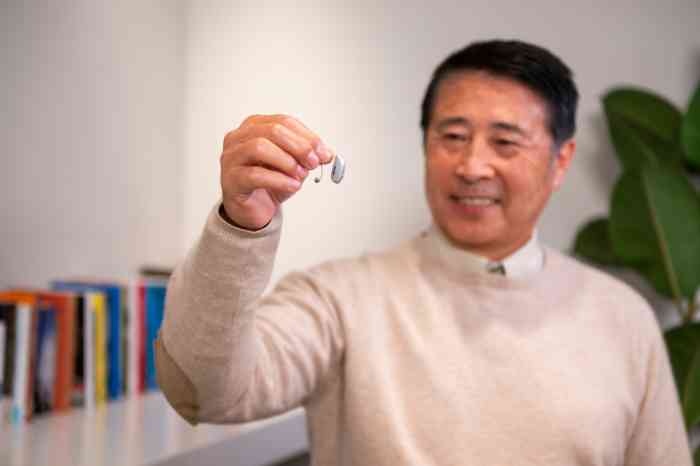
Why you should wear your hearing aids at home

Last update on Sep, 23, 2025
Ann Hennessy

Ann Hennessy, MS, CCC-A

Miracle-Ear Audiologist

If you’re spending more time at home lately, you may wonder about the need for daily hearing aid use. It’s no secret those tiny pieces of technology improve social situations, but recognizing the importance of hearing and sticking to daily routines to strengthen relationships — even while social distancing — are key reasons to wear your hearing aids at home.

Read on to understand when to wear your hearing aids and how regular use can improve your overall quality of life.

Do I need to wear hearing aids at home consistently?

Yes, you do. More time at home doesn’t mean less time wearing hearing aids or less opportunities to hear fully. Even if you’re apart from loved ones, the ability to hear everyday sounds at home — birds chirping outside, laundry cycles, water boiling — can help boost your mood, improve your well-being and maintain the sound quality you initially became accustomed to while getting used to hearing aids.

Just like regular exercise is essential to keep your body healthy and strong, hearing aids should be worn daily to “exercise” the ears. Hearing the sounds you love most — grandkids’ voices, rainfall and thunderstorms, music, TV shows or movies — keeps you engaged with your environment and can improve life moments, big and small. Hearing aids help you live more independently.

Additionally, it’s a good idea to wear hearing aids at home, even if you live alone, for safety’s sake. While certain smoke and carbon monoxide detectors feature alarms that can be seen and heard, it’s important to stay alert for any emergency situation (think: a pet’s distress call, severe weather or intruders).

What kind of changes will I experience by wearing hearing aids in my daily life?

Hearing better is just the beginning when it comes to the benefits of hearing aids. Hearing aids improve quality of life by connecting you to your favorite people and activities, especially while social distancing. You may be working remotely with more frequent video conference calls or enjoying virtual game nights with family or friends. You may even have more time to listen to new podcasts while gardening. Wearing your hearing aids daily ensures you don’t miss a beat.

The importance of hearing health and overall benefits of hearing aids may not be obvious. For instance, you may experience:

  • More positive, satisfying relationships
  • Improved job performance
  • Higher earning potential
  • Reduced anxiety
  • Increased confidence
  • Reduced risk of dementia
  • Improved cognitive function

Plus, as socially distanced small group gatherings become part of your routine again, you’ll be more comfortable having worn your hearing aids at home regularly. 

What if I prefer to wear hearing aids only when socializing?

If you’re selective about when to wear hearing aids, you’re ultimately putting your long-term hearing health and cognitive brain function at risk. Choosing to treat hearing loss only some of the time may result in a phenomenon called auditory deprivation. If the brain doesn’t receive auditory information or stimulation, speech recognition can decline at a faster rate than if signals were being sent through a hearing aid. Simply put, right now is when to wear your hearing aids.

It’s true getting used to hearing aids takes some time, but the payoff and long-term benefits are worth the hearing aid frustration you may experience initially. Wearing two hearing aids is essential for your brain and your ability to converse in the long-run. And remember: Our hearing care specialists are available to help coach you through any discomfort and make a hearing aid adjustment, if needed.

How hearing aids can improve safety at home

For individuals with hearing loss, hearing aids are more than a communication tool—they’re a vital safety device. By enhancing awareness of everyday sounds and improving responsiveness during emergencies, they help create a safer home environment.

  • Detecting Soft Sounds That Matter - Everyday safety hinges on subtle auditory cues. Hearing aids help you recognize critical yet quiet noises such as a low-battery alert from a smoke detector, the faint hiss of a gas stove left slightly on, the drip of a leaking faucet, or security system and door lock notifications. Picking up on these early can prevent household accidents and costly repairs.
  • Smart Home Integration - Modern hearing aids often include Bluetooth and smart connectivity, allowing them to stream important alerts directly from your mobile device or smart home system. Whether it’s a video doorbell, a smart baby monitor, or an appliance timer, these audio cues reach your ears wherever you are in your home.
  • Reducing Trip-and-Fall Risks - Hearing plays a significant role in spatial awareness and balance. Impaired hearing can increase your risk of falls, particularly when navigating around the home. Hearing aids enhance auditory feedback—like footsteps, creaky floorboards, or distant traffic noise—helping you stay aware of your surroundings, maintain balance, and reduce likelihood of missteps.
  • Faster Emergency Response - In urgent situations, every second counts. Hearing aids help you detect emergency sirens, the sound of breaking glass, or weather alerts sooner, giving you time to react and stay safe.

The Benefits of Wearing Hearing Aids at Home

Many people assume hearing aids are only necessary when socializing or going out. In reality, your brain does most of the work of hearing, and it needs consistent stimulation to stay sharp. Specialists recommend wearing your hearing aids every dayeven when you’re home—so brain is exposed to sound and, better prepared for all listening situations.

  • Keep Your Brain Engaged - Wearing hearing aids regularly helps prevent auditory deprivation, which occurs when the brain is deprived of sound input. Even everyday noises, like footsteps or the hum of appliances, keep your brain active. Studies show that untreated hearing loss increases the risk of cognitive decline, with even mild cases linked to a higher likelihood of dementia. By wearing your devices at home, you give your brain continuous practice, making it easier to focus on speech and tune out background noise in more challenging environments.
  • Improve Comfort in Noisy Settings - If you only wear your hearing aids occasionally, your brain may feel overwhelmed in louder or busier places. Consistent use at home helps your brain adapt gradually, so when you’re at a restaurant, family gathering, or meeting, you’ll find it easier to follow conversations with less strain.
  • Enhance Safety and Awareness - Hearing aids make your home and daily routines safer. You’ll be able to detect alarms, doorbells, or kitchen timers, as well as subtle warning signs like a dripping faucet, squeaky brakes, or approaching sirens while driving. This heightened awareness can prevent accidents and help you respond quickly to potential problems.
Friends toasting during lunch in a restaurant

Take the first step

Improving your quality of life is no small task. But, we’re confident hearing aids will help you get there. If your have questions about your hearing, we’re here to help. Book an appointment near you today.

How many hours a day should you wear your hearing aid?

Most experts recommend wearing your hearing aids during all waking hours, usually around 12 to 16 hours per day. The idea is simple: the more consistently you use them, the more your brain adapts to processing amplified sounds, making listening easier and more natural.

Here are some useful points:

  • All day use: Put them on in the morning when you wake up and take them off at night before bed.
  • Exceptions: Remove them when showering, swimming, or sleeping, as moisture and pressure can damage the devices.
  • Adjustment period: If you’re new to hearing aids, you may need to build up gradually. Start with a few hours a day in quieter settings, then increase until you’re comfortable wearing them most of the day.
  • Consistency matters: Wearing them daily keeps your brain stimulated with sound, helps reduce listening fatigue, and makes it easier to manage noisy or complex environments.

What should be avoided when wearing a hearing aid?

Moisture and Water

  • Do not wear hearing aids in the shower, swimming pool, hot tub, or sauna.
  • Avoid exposing them to rain or sweat without proper protection, as moisture can damage the electronics.
  • High Heat
  • Keep hearing aids away from hairdryers, curling irons, ovens, or direct sunlight.
  • Never attempt to dry them with a microwave or hairdryer if they get wet.

Chemicals and Sprays

  • Avoid contact with hairspray, perfume, aftershave, lotions, or cleaning chemicals, which can clog or damage the microphone and tubing.
  • Remove hearing aids before applying such products.

Inserting Objects Into the Ear

  • Do not use cotton swabs, hairpins, or other objects to clean your ears while wearing or handling hearing aids, as this can push wax deeper or harm the ear canal.

Rough Handling

  • Avoid dropping or knocking them against hard surfaces.
  • Keep them out of reach of children and pets, who may mistake them for toys or chew on them.

Wearing During Sleep

  • Do not sleep with hearing aids in, as this can cause discomfort, wax buildup, or damage to the devices.

How long does it take for your brain to adjust to a hearing aid?

Adjusting to hearing aids is a process that varies from person to person, but on average it takes about 30 to 45 days for the brain to adapt to new sounds. Some people feel comfortable within a few days, while others may need a few months of consistent use.

Here’s what typically happens during the adjustment period:

  • First few days: Everyday sounds may seem unusually loud or sharp. Background noises like footsteps, paper rustling, or traffic can feel overwhelming at first.
  • First few weeks: The brain begins to filter and prioritize sounds. Speech becomes clearer, and distracting noises become less noticeable.
  • After a month or two: Most users report that sounds feel more natural. Communication is easier, and the brain has largely adapted to the new auditory input.

Tips to speed up adjustment:

  • Wear your hearing aids all day, every day, except when sleeping, showering, or swimming.
  • Start in quiet environments before gradually exposing yourself to noisier settings.
  • Be patient and give your brain time to relearn how to process sounds.

Take advantage of Miracle-Ear’s unlimited care* – attend follow-up appointments as often as needed so our experts can fine tune your devices.

Find the closest Miracle-Ear center

Your store

Will quitting wearing your hearing aid affect your normal hearing?

Stopping the use of hearing aids will not worsen your natural hearing. Your underlying hearing loss will remain the same, whether you wear the devices or no. However, not using them can have indirect effects that make your listening experience feel more difficult over time.

Here’s why:

  • Auditory deprivation: When the brain doesn’t get enough sound stimulation, its ability to process and understand speech can decline. This means conversations may become harder to follow, even if your hearing test results haven’t changed.
  • Reduced adaptability: If you stop wearing your hearing aids, your brain may lose some of the progress it made in adjusting to amplified sounds. When you put them back on after a break, everyday noises might feel overwhelming again.
  • Cognitive health: Research shows that untreated hearing loss is linked to a higher risk of cognitive decline and dementia. Wearing hearing aids regularly helps keep the brain engaged and reduces this risk.
  • Quality of life: Without hearing aids, you may miss important sounds like alarms, doorbells, or conversations, which can affect safety, social life, and independence.

More from the blog

Discover a world of sounds.
View all

Get support and advice

Book an appointment online

Book now

Take a free online hearing test

Start test

Find a hearing aid center near you

Search now