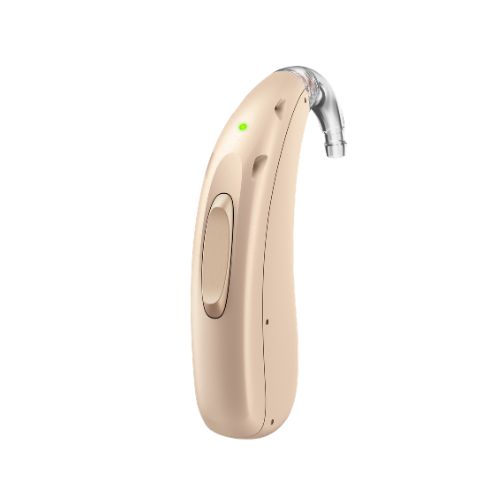
RIC hearing aids
Superior sound quality
Discreet, comfortable, and virtually invisible behind the ear — delivering natural sound quality for all-day rechargeable wear.

Miracle-Ear rechargeable hearing aids are built with advanced lithium-ion technology that deliver up to 56 hours of battery life for select devices. Whether you need digital rechargeable hearing aids for everyday use, Bluetooth® connectivity for seamless streaming, or a powerful solution for severe hearing loss, our lineup has a model built for your lifestyle. Explore our full range of rechargeable styles, from discreet CIC and ITC devices to comfortable RIC and BTE options.

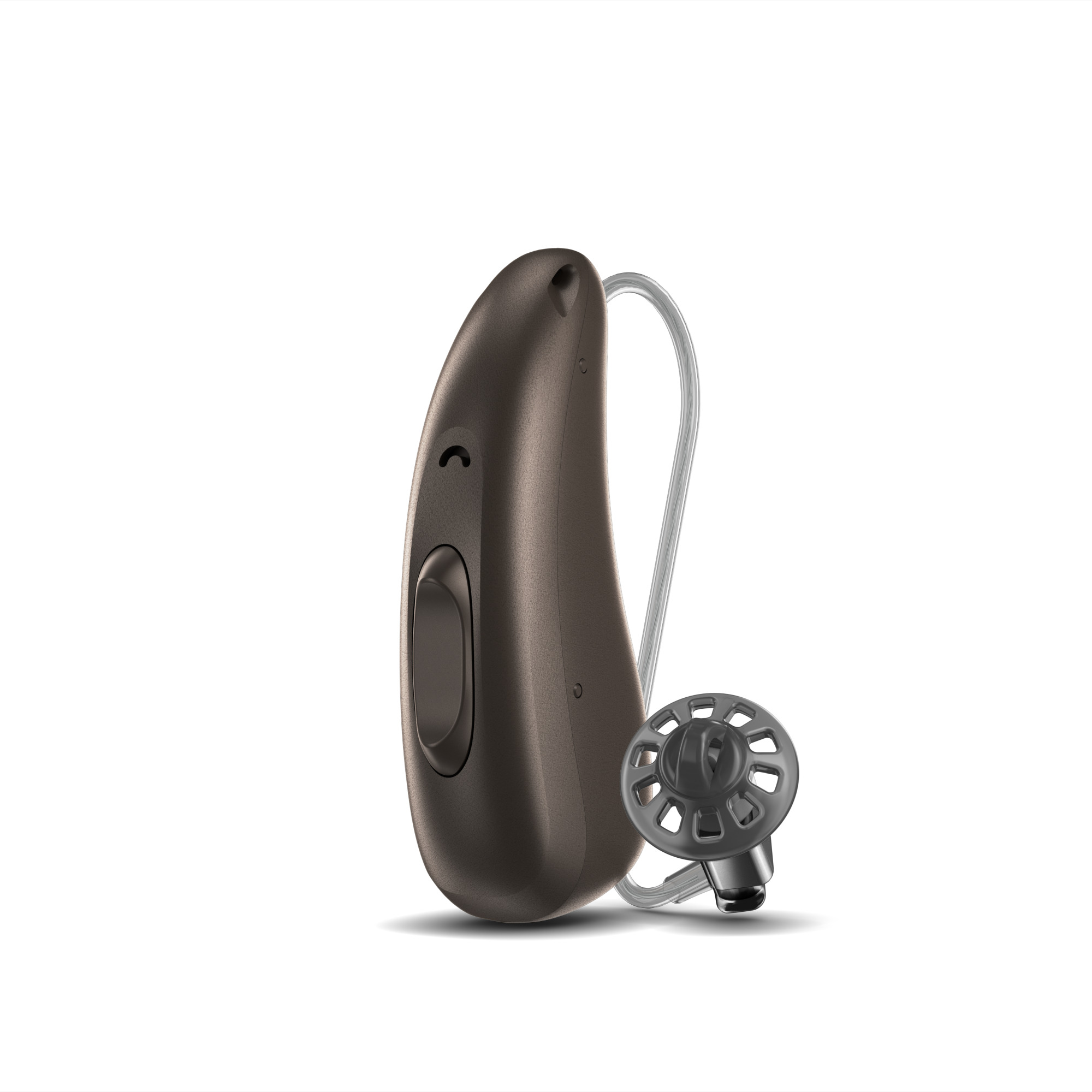
Receiver-in-canal (RIC)
RIC hearing aids
Discreet, comfortable, and virtually invisible behind the ear — delivering natural sound quality for all-day rechargeable wear.

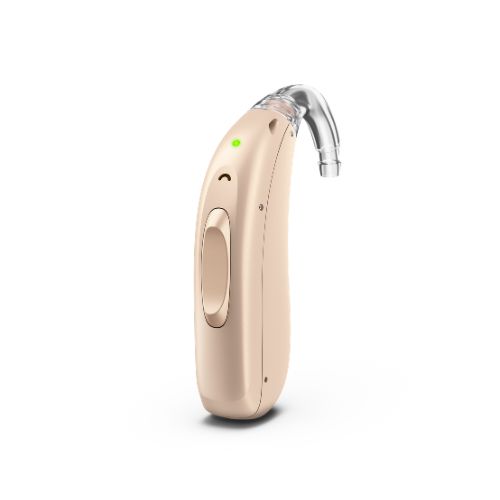
Behind-the-ear (BTE)
BTE hearing aids
Durable, easy to handle, and powerful — our BTE rechargeable hearing aids are built for active lifestyles and long-lasting comfort.

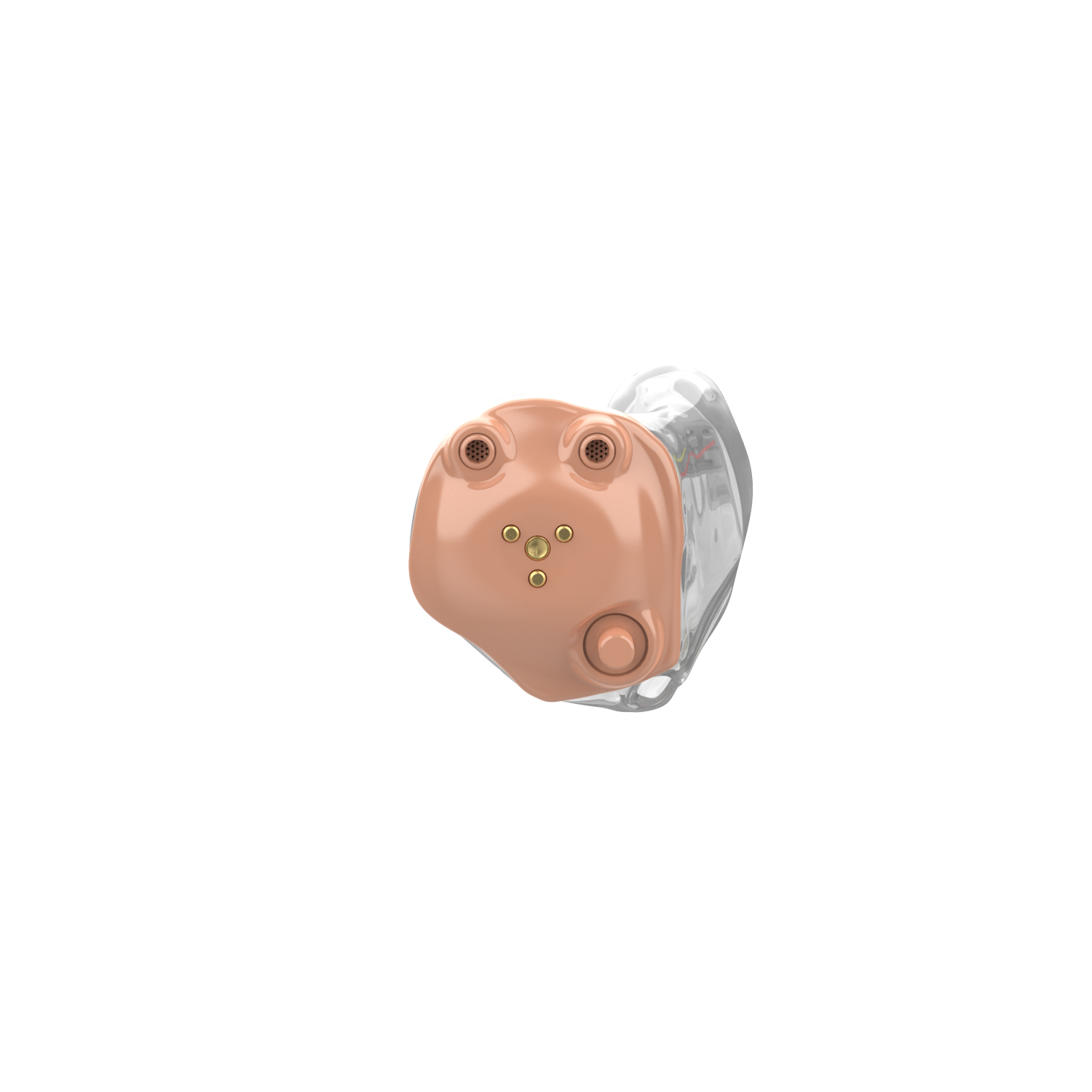
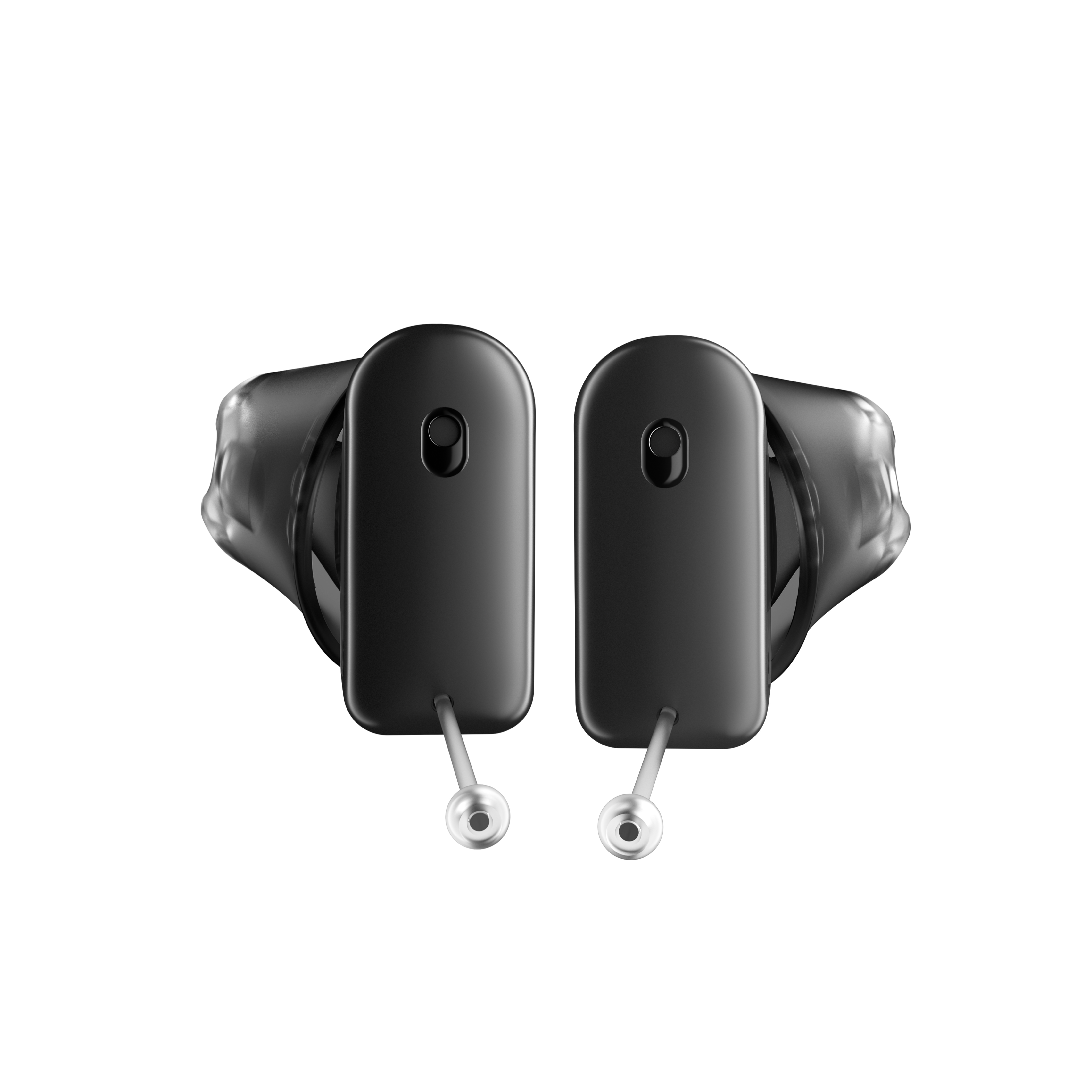
ITC and CIC hearing aids
ITC and CIC hearing aids
Nearly invisible and custom-fit to your ear — our smallest rechargeable hearing aids deliver all-day power with maximum discretion.
Rechargeable
Miracle-Ear rechargeable hearing aids allow you to maintain your active lifestyle with ease. Just one night of charging allows you to live your day to the fullest while experiencing all the sounds of life.
Lithium-ion
Convenient
Advanced features
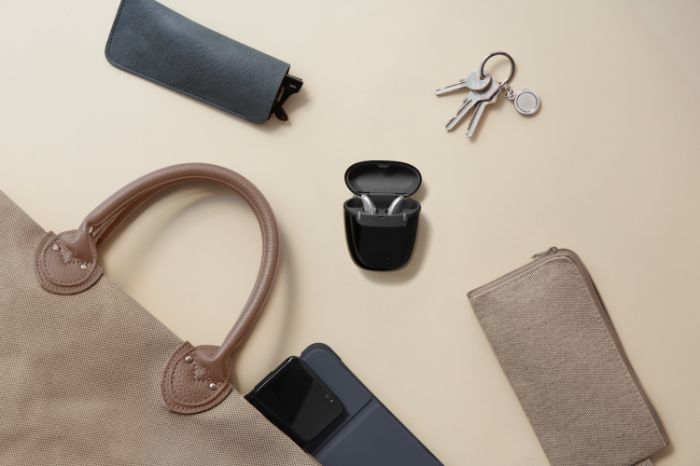
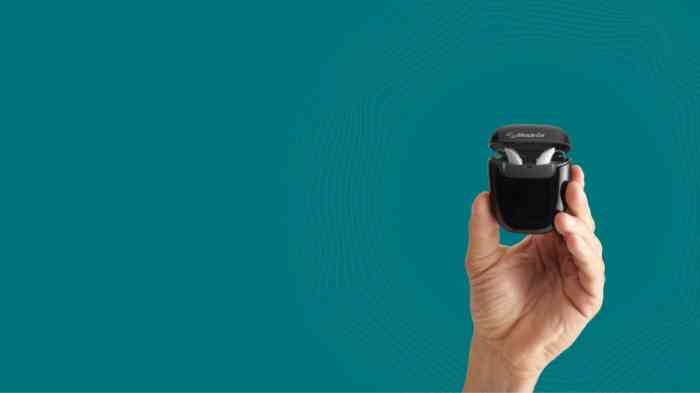
Rechargeable hearing aids are hearing aids where you never have to replace the battery. Rather, they feature built-in rechargeable lithium-ion batteries. Simply place your devices in a hearing aid charger, and in 30 minutes you’ll get eight hours of battery life. With select devices, if you charge your hearing aids overnight, you’ll have up to 56 hours of battery life, depending on the model. They’re one more way to simplify and modernize your life!
Today's rechargeable hearing aids are highly reliable and work exceptionally well for most people with hearing loss. Powered by lithium-ion technology, with select models delivering up to 56 hours of continuous wear on a single charge with select devices — including during Bluetooth® streaming. And because the battery is sealed inside the device, rechargeable hearing aids tend to be more moisture-resistant and durable than traditional disposable-battery models. No tiny batteries to fumble with, no unexpected power cuts — just consistent, all-day hearing.
Here’s a tough pill to swallow: An estimated 1.4 billion disposable hearing aid batteries end up in landfills every year. And two digital hearing aids will use up an average of 300 (or more) batteries in a three-year time span. Compare that to rechargeable hearing aid batteries, which generally have a lifespan of 3-5 years.
With rechargeable hearing aids there are no tiny batteries to handle or replace. No finicky door to frequently open. No need to routinely order, ship or pick up more batteries.
Many rechargeable hearing aids can be easily recharged hundreds (even thousands!) of times before needing replacement—a huge perk for those with arthritis, diabetic nerve damage or other dexterity challenges.
Rechargeable hearing aids, when fully charged overnight, can easily last you through the entire next day. They’re even equipped to handle hours of wireless streaming from your phone, TV or other devices—a feature known to dramatically drain the juice from their disposable counterparts.
Today's hearing aids are loaded with complex technology and highly taxing (aka battery-draining) features like Bluetooth streaming and binaural communication. Fortunately, lithium-ion cells have a strong reputation for delivering reliable, long runtimes—up to 56 hours for select devices—even under highly demanding conditions. And their overall lifespan is several years, compared to just one year for NiMH-powered hearing aids.
Lithium-ion technology allows for a quick charge when need be. For example, charging your rechargeable hearing aids for a mere 30 minutes can get you up to eight hours of usage. While other rechargeable batteries have electronic contacts that need to be carefully and properly aligned with the charger, lithium-ion batteries are recharged via electromagnetic induction. Simply drop the device into the charger and charging will automatically begin.
Since lithium-ion batteries do not need to directly contact the charger, the battery door is left completely sealed until the battery needs replacement. The benefits? No risk of batteries accidentally falling out or being swallowed by children or pets, plus added protection against moisture, sweat and debris entering and damaging the battery.
For many adults, managing small disposable batteries is one of the biggest frustrations with hearing aids. Rechargeable hearing aids solve this entirely — simply place the device in the charger before bed and it's ready to wear in the morning.
Miracle-Ear rechargeable hearing aid models are particularly well-suited for seniors because:
While there isn’t one set cost of rechargeable hearing aids—or any hearing aids, for that matter—rechargeable models do tend to cost a bit more than their disposable battery counterparts. The typical range is $1,000-$8,000 for a pair of hearing aids. However, while they’re more of an investment upfront, hearing aid wearers save money over the lifetime of the devices since you don’t have to regularly buy replacement batteries. Learn more about what hearing aids cost here.
Daily runtime depends on several factors, including the battery’s materials, the climate or environment in which it’s being used, and the complexity of the technology being powered by the battery. Lithium-ion batteries are particularly known—and praised—for their longevity: They can last up to 56 hours on a single charge, even under high-demand conditions such as wireless audio/video streaming.
In terms of overall lifespan, you might be wondering: Do rechargeable batteries go bad? The answer is yes—eventually. But they’re designed to handle hundreds (or even thousands) of charges before needing replacement. Lithium-ion batteries boast a long lifespan—anywhere from three to five years.
With rechargeable hearing aids, the battery door is left completely sealed throughout the normal lifespan of the device. Because of this, rechargeable hearing aids have greater protection against moisture and sweat, along with other debris like earwax and dust.
If you’re looking for hearing aids with extra moisture protection, check out the hearing aids in our Miracle-EarBLISS™ line of waterproof hearing aids.
In general, rechargeable hearing aid batteries cannot be replaced—though it depends on the model. Rechargeable lithium-ion batteries are installed by the manufacturer and are generally intended to live permanently in your device.
For models where you can replace the battery, know that it tends to be an extensive process that you can’t do on your own at home—so it can get expensive. (That’s why many people simply upgrade their hearing aids when rechargeable batteries die vs. replacing the battery itself.)
Wondering what to do if your rechargeable hearing aids get wet? It may seem obvious, but it’s important to dry them out as quickly as possible. Start by using a soft cloth to gently wipe off any moisture on the outside of the device.
Then, similar to when a phone gets wet, place your devices in a container of uncooked rice overnight to help draw out any moisture. If you have a hearing aid charger that has drying capabilities—like the MECHARGE™ powerdry charger or the Dry & Clean Charger—you can place your dried out devices in these chargers for further drying.
** The Bluetooth® word mark and logos are registered trademarks owned by Bluetooth® SIG, Inc., and any use of such marks by Miracle-Ear is under license. Other trademarks and trade names are those of their respective owners.






 Find your closest Miracle-Ear center
.jpg.jpg/jcr:content/renditions/original)
.jpg.jpg/jcr:content/renditions/original)
.jpg.jpg/jcr:content/renditions/original)