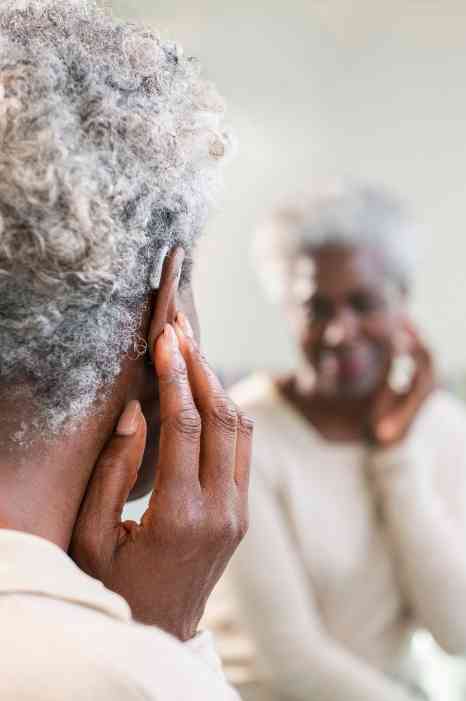
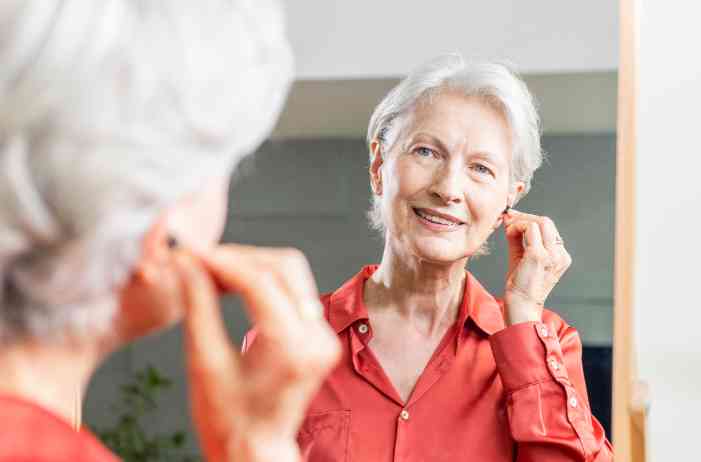
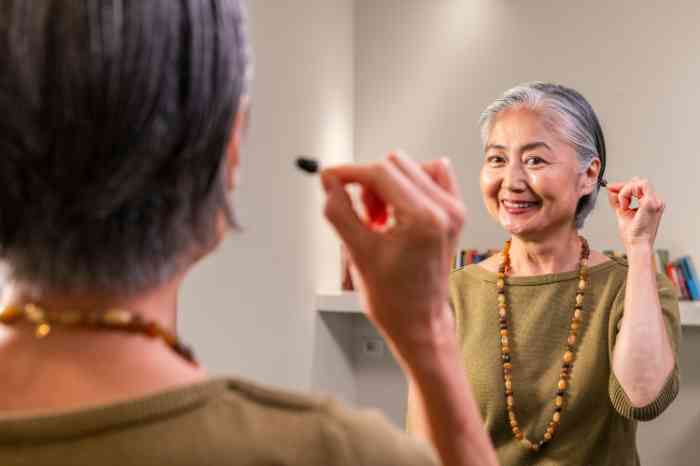
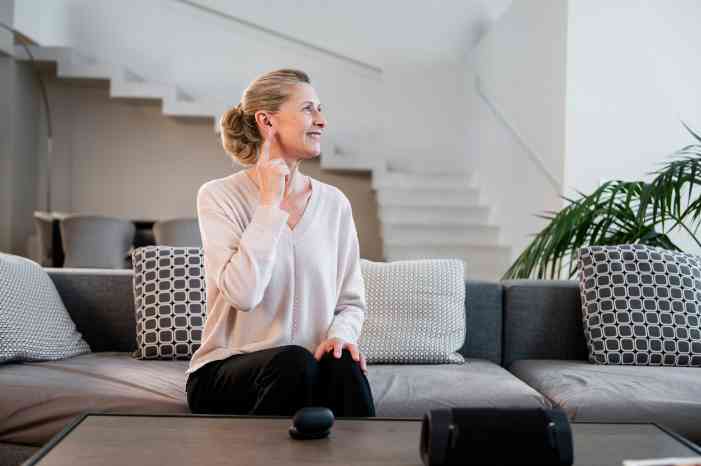
female client wear hearing aid
Sleep with hearing aids

Can you sleep with hearing aids in? Safety and insights

Learn when it’s safe to remove your hearing aids and how nighttime use can affect your hearing health.

Sleeping with hearing aids: what you need to know

Regularly wearing hearing aids has been linked to living longer. 1
But should you wear them all the time, even while sleeping? Many people who have recently gotten hearing aids wonder if it’s a good idea to wear them at night. Before you do it, get to know the risks associated with wearing hearing aids overnight

Dr. Tom Tedeschi

Dr. Thomas Tedeschi, Au.D.

Chief Audiology Officer, Miracle-Ear

Should you wear hearing aids all the time?

Wearing hearing aids is not as uncommon as you might think. Huge numbers of people struggle with hearing loss; it’s estimated that as many as 28.8 million adults in the U.S. could benefit from wearing hearing aids.2 If you’ve just gotten hearing aids, you might wonder, “Should I wear my hearing aids all the time?” Wearing them can be an adjustment at first, but with some time, you’ll get used to the routine of living with hearing aids. While it’s safe to wear hearing aids most of the time—and more effective to wear them regularly—there are a few instances when it’s recommended to take them out, such as when you’re swimming, bathing or sleeping.

Is it safe to sleep with hearing aids?

One of the first things people wonder when they get hearing aids is, “Can you sleep with hearing aids?” Generally speaking, you should not wear your hearing aids while sleeping. There are several reasons why it is not recommended, and it’s a good idea to take your hearing aids out each night to give your ears a break. However, should you sleep with hearing aids in, whether by accident or by choice, there are a few risks to be aware of.  

Find an expert at any of our 1,600+ locations nationwide

Your store

Loading

Understanding the risks of sleeping with hearing aids

If you have hearing aids, it’s important to understand when and where to use them—and when not to. Below, we’re highlighting some of the top risks of sleeping with hearing aids. 

Wearing hearing aids for long periods of time can lead to discomfort. Ear pain from hearing aids can happen for a variety of reasons. Sometimes, it’s just a matter of getting used to wearing hearing aids if you’ve never worn them before. However, if your ear pain is persistent and disruptive to your life, you should see your hearing care professional or doctor to be sure it’s not a more serious issue. Pain and discomfort can be worsened, though, if you sleep with hearing aids in. If you sleep on your side, the device puts pressure on your ear, and you may wake up with ear pain. 

Damaging your hearing aid while sleeping is fairly uncommon, but it is certainly a risk. If you move a lot while sleeping, they could fall out and become damaged or lost. It’s safer to take out your hearing aids at night and keep them in a dry, secure spot while they’re not in use.

For those who use hearing aids with rechargeable batteries, overnight is a good time to charge them. Battery life will be limited if you don’t fully charge them, so it’s a good idea to do it while you’re sleeping. And if you have hearing aids with replaceable batteries, keeping your devices turned on all night—when you’re not actively using them—will drain the battery, and you’ll have to replace them much more often.

Concerns about sleeping without hearing aids

Despite the above risks, some hearing aid wearers are concerned about the sounds they may not hear if they don’t wear their devices overnight.

One common concern about taking hearing aids out at night is not being able to hear safety alerts, such as smoke detectors or weather alerts. For those with mild or moderate hearing loss, there are specialized assistive devices that can alert you with loud sounds or lights if there’s danger. However, some people with severe hearing loss may benefit from sleeping with hearing aids in order to hear alerts. Be sure to talk to your hearing care professional (HCP) about any concerns and to determine if this is appropriate for you to do. 

Another common concern underlying the question “Can you sleep with hearing aids?” is being able to hear children at night without hearing aids. Just like other alert systems, there are assistive devices such as baby monitor systems available that can trigger loud alarms, lights, or vibrations that shake the bed when it detects your child is crying. Again, those with severe hearing loss may want to discuss these concerns and options with their doctor or HCP.
Woman wearing hearing aids

Hearing devices for you

Explore our range of modern hearing devices. We offer comfortable solutions that transform hearing, from nearly invisible designs to robust AI technology.

What if you accidentally fall asleep with hearing aids in?

You may wonder what happens if you accidentally leave your hearing aids in when you fall asleep. Hearing aids most likely won’t be damaged, and your ears likely will be fine if you leave them in by accident. However, it’s best not to make this a habit and to get into the routine of taking out your hearing aids before you go to bed at night.

How to clean your hearing aids

Cleaning your hearing aids regularly is an important part of maintaining them, especially if you’ve worn them overnight or for a long stretch of time. If you’re wondering “How do I clean my hearing aids?” here are a few tips:

  • Avoid water: Use a soft, dry cloth instead of water or any cleaning chemicals on your hearing aids.
  • Use hearing aid-specific tools: From brushes to picks to multi-tools, you should only use what’s designed specifically for cleaning hearing aids. They can help you reach the tiny nooks and crannies of your devices with less risk of damage.
  • Handle your hearing aids gently: If your hearing aids have any earwax buildup, carefully remove it, and don’t jab at the microphone or receiver ports.
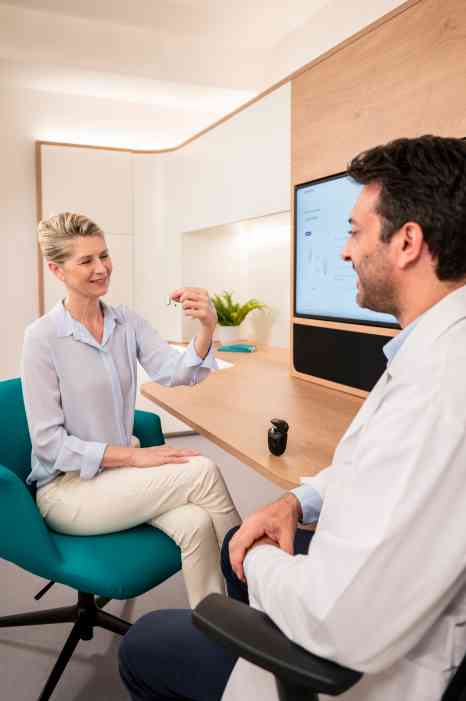
Doctor placing a hearing aid

Miracle-EarBLISS™ Technology

For over 75 years, Miracle-Ear® has connected loved ones through better hearing using the latest in hearing technology. We are thrilled to introduce Miracle-EarBLISS™, our newest and most innovative line of hearing aids.

Book an appointment Discover Miracle-EarBLISS™

Hearing aid maintenance tips

When it comes to hearing aid maintenance, there are several steps you can take to help ensure their longevity and optimal performance. Here are a few ways you can practice taking good care of your hearing aids:

  • Develop a regular cleaning routine: Consistent cleaning is necessary for keeping your hearing aids in good condition and functioning well, as well as for protecting your ear health.
  • Use a hearing aid dehumidifier or dryer: This will help get rid of any sweat or moisture that’s built up in your hearing aids. Some devices can even help kill off bacteria with ultraviolet (UV) light.
  • Store your hearing aids in a dry place when you’re not wearing them: Avoid keeping your hearing aids in humid environments like the bathroom, where excess ambient moisture can cause damage over time.
  • Protect your hearing aids from the elements when you’re wearing them: Wear a hat or use an umbrella if you’re wearing your hearing aids in the rain or snow, and be sure to take them out if you go swimming.

What should I do if I damage my hearing aids?

If you damage your hearing aids, whether it’s from wearing them while sleeping or otherwise, it’s important to visit your hearing care professional as soon as you can. Don’t try to fix it on your own. You can contact one of more than 1,600 Miracle-Ear locations nationwide, where you can get professional help with troubleshooting and repairs.  

Visit us in a Miracle-Ear center for more information

store outside
Find the Miracle Ear store closest to you
We’re here for you wherever you’re at home or traveling with experts at over 1,600 locations nationwide.
Find your nearest store
patient and audiologist inside store
Book a free appointment online
Join the millions of Americans who have trusted Miracle-Ear for hearing care that’s tailored for their needs.
Book an appointment
Audiologist and client inside store
Let our certified experts help you
For generations, we've been pioneering better hearing through our personalized approach to care and continued innovation.
More about our experts
people driving

Do you need more information? Contact us

Complete the form and someone from our team will reach out to you. With over 1,600 stores nationwide, we'll help you find the one closest to you.

Sources

1 Choi, Janet S; Adams, Meredith E; Crimmins, Eileen M; Lin, Frank R; and Ailshire, Jennifer A. “Association between hearing aid use and mortality in adults with hearing loss in the USA: a mortality follow-up study of a cross-sectional cohort.” The Lancet Healthy Longevity, Volume 5, Issue 1, e66 - e75. January 15, 2024. https://www.thelancet.com/journals/lanhl/article/PIIS2666-7568(23)00232-5/fulltext

2 NIDCD Epidemiology, Statistics, and Population Sciences Section, based on December 2015 Census Bureau estimates of the noninstitutionalized U.S. population, personal communication; May 2016. https://www.nidcd.nih.gov/health/statistics/quick-statistics-hearing

Get support and advice

Book an appointment online

Book now

Take a free online hearing test

Start test

Find a hearing aid center near you

Search now