Hearing aids can make a world of difference in coping with hearing loss and in the way you experience your environment. That said, you may still be curious about details such as hearing aid fitting, how much hearing loss requires a hearing aid, and how long to wear hearing aids.
Every question is important and worthwhile, so let’s take a look at some of the most common questions on hearing aids and hearing loss that we encounter. These questions and answers on hearing aids and hearing loss may help you get more comfortable with your condition.
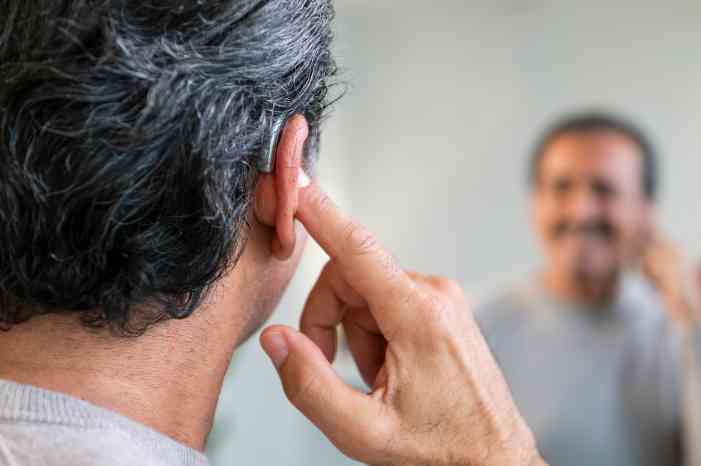
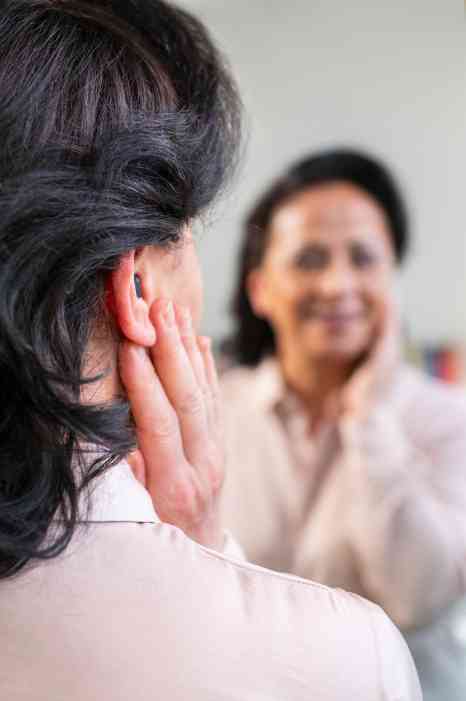
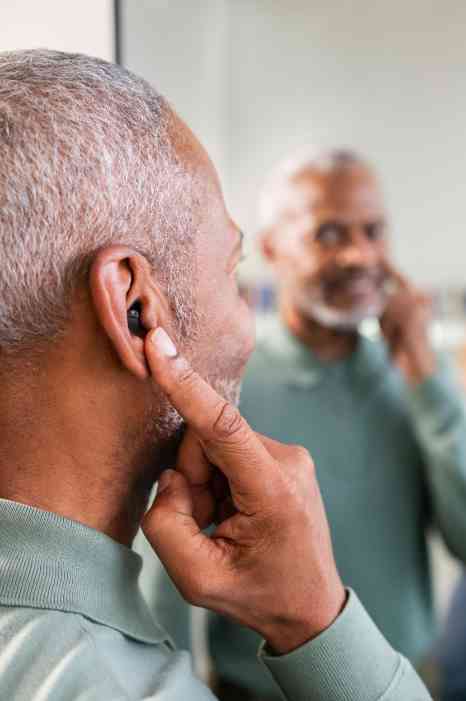
This is an important question about hearing aids, because it can become a barrier to seeking treatment. While it’s normal to need a little time to adjust to wearing hearing aids, they should feel comfortable (and enjoyable!) for all-day use once you’ve adapted to the new sensory experience. When you receive your new hearing aids, the hearing specialist will help you practice putting them on and taking them off to make sure you feel confident using them on your own. Our expert specialists will also do a hearing aid fitting to ensure the devices sit in your ears correctly.
These important steps can often prevent issues with comfort or fit later on. But if you do find that your hearing aids are causing pain, it could mean they aren’t fitted properly or that your ear is infected. The good news is that hearing aid assistance is readily available—Miracle-Ear’s professionals are always ready to help when concerns arise.
The answer to this is a hearing aid question varies from person to person. Depending on different factors, such as the degree and type of hearing loss, it may take more or less time for you to adjust to your new hearing aids. As you start wearing your hearing aids, the brain will relearn certain sounds that you haven’t heard before or haven’t heard in a long time. It’s perfectly normal to go through a transition period—a good estimate is two weeks to one month. Talk to your hearing care specialist about how long to wear hearing aids during the initial few days. Though it’s best to wear them as much as possible, it may be necessary to wear them for just a few hours a day as you work your way up to wearing them all day.
Learn more:
Can you sleep with hearing aids in?
Wearing hearing aids with glasses guide
This is a great hearing aid question. Modern hearing aids come in a variety of styles. When deciding on which model to purchase, you’ll likely put more consideration into your personal lifestyle than into which is easiest to use and maintain. (They are all easy to use!) Though hearing aids will eventually wear out—similar to other electronics—there are simple ways to keep them functioning well for many years. Some tips to extend the life of your devices: Keep them dry; if applicable, change batteries on a regular basis; and schedule regular cleanings.
Discover more: How long do hearing aids last?
Hearing loss varies from person to person. Many types of loss exist, and they can develop or progress for a variety of reasons. When it comes to older adults, age-related hearing loss is one of the most common health conditions, affecting around one-third of people between the ages of 65 and 74 in the U.S. Since age-related hearing loss usually develops over time, using hearing aids as soon as the loss is detected can help you avoid problems down the road. If you’re wondering what degree of hearing loss requires a hearing aid, talk to a professional.
After seven years of hearing loss, our brains lose the ability to understand the sounds we’ve been missing–even if we can hear them with the help of a device. While scientists don’t currently have a solution for preventing hearing loss, noise-induced hearing loss—caused from excessive exposure to sounds that are too loud or last too long—can be minimized by wearing ear protection like earplugs or earmuffs. This can reduce the likelihood of eventual deafness.
This hearing loss question can have a number of answers based on your specific type of hearing loss. Hearing loss can be related to other health issues. Unfortunately, if left untreated, hearing loss can cause the brain to start to lose its processing abilities at a faster rate. Studies have shown that hearing loss can eventually lead to social isolation, dementia, and even balance issues. This is where hearing aids can make a big difference, not only in improving quality of life, but also overall health. If you’re wondering, “Do hearing aids hurt your hearing?” you may be pleased to know that actually, the opposite is true. They’ve only been shown to help.
Discover more about:
Love golf and think you may be experiencing hearing loss? Learn how hearing aids can help you on the golfing course.




 Schedule your free hearing evaluation today!


 Find your closest Miracle-Ear center