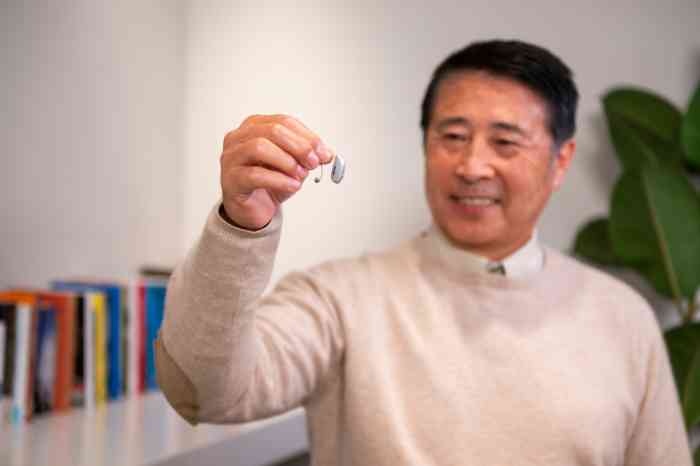
Today’s hearing aids are designed to keep you doing what you love—no matter what the weather brings. While it’s true that wet and wintry weather can take a toll on hearing aids, there are simple steps you can take to protect your devices and prevent weather-related damage. Understanding the basics of hearing aid maintenance in winter is essential for ensuring your devices perform reliably when you need them most.
At Miracle-Ear, we believe that winter should be a season of celebration and connection. With a few simple steps and the support of our hearing care professionals, you can keep your premium hearing aids protected against the elements all season long.
Similar to glasses fogging up, liquid condensation can form on your hearing aids when you head indoors after being out in the frosty air.
While the outside of your hearing aids are hardy enough to handle a few drops of water, the real issue comes when condensation forms on the inside of your hearing aids. The inside houses highly sensitive electronics and the batteries—both of which can be damaged if exposed to condensation.
Speaking of batteries: The cold, dry air of winter can reduce the voltage of many disposable hearing aid batteries, causing them to drain and die faster.
To protect your devices, keep batteries at room temperature and use a dehumidifier daily to combat moisture buildup during the winter months.
We offer solutions that transform hearing, from nearly invisible, comfortable designs to robust AI technology.
Extreme temperatures and shifting environments (eg, moving from the cold outdoors to a heated home) can take a toll on your technology. Use this checklist to stay ahead of winter weather warnings.
Wear a warm hat, headband, or hearing aid sleeve—these help absorb or wick away moisture, keeping your head warm at the same time.
When you move from a cold outdoor environment into a warm room, moisture can condense inside your hearing aids—much like it does on a pair of eyeglasses.
Practice proper hearing aid care each night, and whenever you notice moisture:
Cold weather is notorious for reducing battery life. If you use traditional disposable batteries, you may find they drain significantly faster during a cold front.
Many hearing aids have a protective coating that helps them repel light moisture. If you’re walking to your car and it starts to sprinkle, your hearing aids should be fine—just wipe them down with a soft, dry cloth once you’re inside.
That said, most hearing aids are not fully waterproof. Avoid direct exposure to heavy rain or snow whenever possible. The more precipitation that falls on your hearing aids, the more likely it is that some of it will sneak its way inside. This can damage the electronics and corrode the battery, particularly for RIC or BTE hearing aids. These models’ electrical components are housed outside the ear, which makes them slightly more vulnerable to water damage.
Check the forecast before heading out. If there’s a chance of precipitation, bring along proper gear (see below) to minimize hearing aid exposure.
Invest in wet-weather gear. Rain or snow can strike at any time—but with the right gear, you can keep your hearing aids dry and prevent water damage. Here are some smart buys you can stock up on:
If your hearing aids do get wet, don’t panic—you may still be able to preserve them. Here’s your action plan to dry out your hearing aids:
Note: If you still hear crackling, static, or distorted sounds, your hearing aid may have water damage. Contact your hearing care professional to discuss next steps.
Join the millions of Americans who have trusted Miracle-Ear for hearing care that’s tailored to their needs.
Living an active life is part of the Miracle-Ear Way. Between sledding, skiing, and building snowmen with grandkids, winter can be a magical time to enjoy the outdoors. Don’t worry about wearing your hearing aids during your favorite winter pastimes. You can—and should—bring them along. Hearing aids will help you communicate with others, enjoy the full soundtrack of the season, and hear important signals or alerts in your environment.
There are, however, two issues to watch out for—both avoidable if you take proper precautions. The first issue is excessive moisture, which can leak into the hearing aid and cause damage. Moisture can come from the weather itself (as mentioned above), but it can also come in the form of perspiration. Skiing, sledding, and other frosty fun can really work your heart and muscles, so you might find yourself sweating quite a bit, despite the chill in the air.
The other issue to watch out for during winter activities is dropping or losing your hearing aid. All that moving around while you shovel, skate, or ski can make a hearing aid come loose from the ear. Digging around in the snow searching for your hearing aid can cause a lot of stress—plus damage to your device, if it’s left in the elements for too long.
Prevent a damaged or lost hearing aid
If your devices get wet from snow or heavy condensation, follow these steps:
Miracle-Ear is your partner in lifelong hearing health. Our "Unlimited Care" service ensures that you are never alone in your journey. If you are concerned about how your devices are performing in the cold, visit us for hearing aid repair & maintenance services.
Visit one of our 1,600+ locations across the U.S., where our experts provide:
Never underestimate the importance of ear care, your hearing might depend on it.
Stay connected to the sounds of the season with the help of America’s most trusted hearing care partner. From expert maintenance to the latest in hearing care solutions, Miracle-Ear is here for you.



 Our experts are here for you wherever you may be