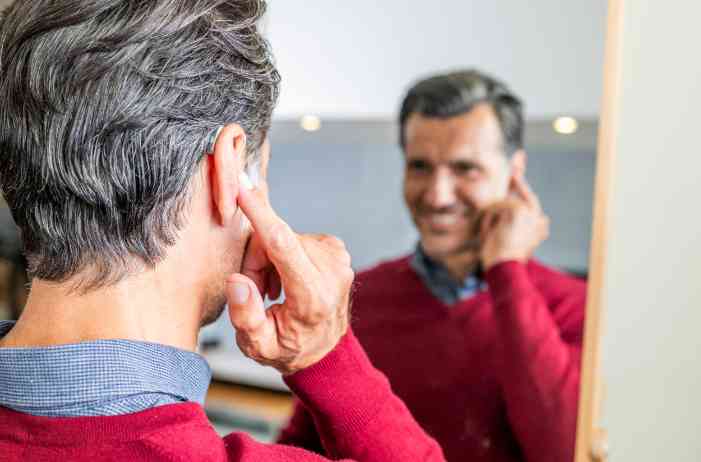
When you first receive your hearing aids, it’s important to familiarize yourself with how they work. Whether you’ve been fitted with prescription devices or chosen over-the-counter (OTC) aids, your hearing care professional should explain the basics: how to insert and remove them, switch programs or settings, recharge or replace batteries, and clean and maintain the device.
For prescription hearing aids, there’s usually a fitting session where the hearing care professional adjusts the amplification, checks your comfort, and prevents feedback issues. Understanding how your hearing aids function will give you a sense of control and help you feel more confident when new sounds begin to reappear in your daily life. Here’s a guide on how to adjust to hearing aids.
Once your hearing aids are fitted, it’s best to begin adjusting to them in a quiet, familiar environment, like your home. Because your ears and brain have likely become used to a reduced level of sound, suddenly hearing more can feel strange at first. Wearing your hearing aids at home for extended periods allows your brain to relearn everyday sounds in a comfortable setting before you move on to noisier places, like restaurants or shops.
Learn more about how your hearing works from certified experts.
While it might be tempting to wear your new hearing aids all day right away, it’s better to build up your wearing time gradually. For the first few days, try to wear them if you can comfortably for eight to ten hours. Then extend that time until you can wear them throughout the entire day.
You may notice mild side effects such as tiredness, headaches, itching, or sound sensitivity. These are normal and usually short-lived. If any discomfort persists, such as pain, constant whistling, or difficulty understanding speech, take a break and contact your hearing care professional for an adjustment.
Wearing your hearing aids consistently helps your brain adapt faster. The more often you wear them, the quicker you’ll reach the point where they feel natural, and you start noticing all the small details of sound you’ve been missing.
One of the best ways to care for your ears and prevent hearing loss is to get them properly examined by a hearing care professional. Find your nearest Miracle-Ear store to get started on your journey to better hearing.
Once you’re comfortable wearing your aids at home, start using them in louder listening environments. Try wearing them while shopping, meeting friends, or going to social gatherings. This helps you get used to background noise and multiple voices. Some useful exercises include watching TV with captions, reading aloud to get used to the sound of your own voice, and practicing locating where sounds come from, such as the doorbell, footsteps, or a kitchen appliance. These small challenges help your brain adapt faster and boost your confidence in different situations.
Getting used to hearing aids takes time to adjust. You might feel frustrated or tired, especially when background noises feel too loud or your own voice sounds unusual. Many people say the biggest change at first is hearing their own voice: it can sound louder, sharper, or echoing. This is normal and fades as your brain adjusts to the new way sound travels through the device.
Be patient with yourself. Take short breaks if needed, but try to wear your hearing aids as consistently as possible. If you run into ongoing problems, let your hearing care professional know. Even small adjustments to the fit or settings can make a big difference to your comfort.
Janet's hearing journey is unique—just like her needs as a singer. With help from Miracle-Ear’s Kim Johnson, she found hearing aids and settings that helped her hear clearly again.
Hearing aids are delicate, high-tech devices that need regular care to work properly. Clean them daily to remove earwax or moisture, replace or recharge the batteries, and store them safely in a dry place when not in use.
Do not use chemicals or water to clean your aids. Instead, use the cleaning tools provided, such as a soft brush or cloth, and follow the manufacturer’s instructions carefully. Good maintenance helps prevent issues and keeps your hearing aids performing at their best for longer.
If you wear glasses, practice putting them on and taking them off slowly to avoid knocking your hearing aids out of place. With time, it will become second nature to wear both comfortably.

1. Acceptance

2. Positive Attitude

3. Education

4. Adjusting to new sounds

5. Practice and patience
The final step combines practice, consistency, and patience. Your brain needs time to adapt, and the best way to support this is by wearing your hearing aids regularly. Start with short periods each day and gradually build up to full-time use, from morning until bedtime.
Many hearing care professionals recommend exercises such as listening to audiobooks to strengthen comprehension. At first, it may feel tiring — take breaks when needed, then try again. Stay committed, seek support when necessary, and remember: the long-term benefits are well worth the effort.
When someone you care about starts wearing hearing aids, your understanding and encouragement can make the process easier. They may feel self-conscious or overwhelmed by the new sounds, so offer reassurance and patience. Speak clearly, face them when talking, and give them time to process what they hear. Encourage them to wear their hearing aids regularly, even when it feels challenging. Join them in listening exercises, such as watching a film with subtitles or practicing short conversations in quiet settings. Your involvement helps them feel supported and more confident in their progress.
Never underestimate the importance of ear care, your hearing might depend on it.
It’s normal to feel frustrated when adjusting to hearing aids. Some people find that background noise seems too loud, their voice sounds strange, or certain tones feel unnatural. Others struggle with the sensation of something in their ear or the rustling sound of hair, clothing, or glasses brushing the device.
These reactions are part of the adjustment period: your brain is re-learning how to interpret a full range of sounds. Keep using your hearing aids, and most of these irritations will fade with time and fine-tuning from your hearing care professional.
As mentioned previously, one of the most surprising changes for new hearing aid users is how different their own voice sounds. You might describe it as hollow, booming, or echoing. This is caused by what’s known as the “occlusion effect,” when your ear canal is partly sealed by the hearing aid. Fortunately, this sensation usually fades as your brain adapts. If it remains uncomfortable, your hearing-care professional can make small adjustments to the fit or venting to make your voice sound more natural.
When first wearing hearing aids, you might experience temporary side effects such as mild itching, a feeling of fullness in the ears, or sensitivity to loud sounds. Some users also notice a faint rustling noise when they move their head or adjust their glasses. These effects are generally harmless and short-lived, as you become accustomed to your devices.
If you notice a rustling or brushing sound, it’s often caused by hair, hats, or glasses touching the microphones. You can minimize this by keeping your microphones clear or asking your hearing care professional to show you the correct positioning for your hearing aids. These small adjustments can make a big difference in your overall listening comfort.
Wearing your hearing aids throughout the day, even in quiet settings, helps your brain adapt faster. Consistent use strengthens your listening skills and keeps your auditory pathways active.
Over time, you’ll find that conversations become easier, background noises less distracting, and your overall sense of connection and awareness improves. Regular use also helps prevent listening fatigue, making hearing feel effortless again.
Join the millions of Americans who have trusted Miracle-Ear for hearing care that’s tailored to their needs.
Getting used to hearing aids takes time, patience, and practice. By following a gradual schedule, training your brain to process new sounds, and working closely with your Miracle-Ear hearing care professional, you can make the transition easier and more successful.
Remember, at Miracle-Ear, you enjoy free aftercare for as long as you own your hearing aids. At your aftercare appointments, the Miracle-Ear provider will make sure the hearing aids are functioning properly and are programmed to precisely match your hearing loss. The fine-tuning of your aids to match your unique needs is crucial for making the smoothest transition possible to your new hearing aids.
The hearing aid adjustment period varies from person to person. For most people, it takes between two and four weeks to feel fully comfortable. During this time, your brain is re-learning how to prioritize sounds, recognize voices, and ignore unnecessary noise. Consistency is key. The more you wear your hearing aids, the faster your brain adjusts, and the more natural everything begins to sound.
Your brain typically takes a few weeks to adapt to hearing aids, though for some people it may take a little longer. This depends on how long you’ve lived with untreated hearing loss and how consistently you wear your devices. During this period, your brain is re-establishing pathways that help you interpret speech and sound direction. The more regularly you use your aids, the smoother and faster this process will be.
Your ears will likely adjust within the first few days to a week of consistent use. You may notice slight pressure or fullness at first, especially if you’re using in-ear models, but this will subside. If discomfort or irritation continues, visit your audiologist to check the fit or venting. A properly fitted hearing aid should feel secure but not intrusive.
To make the most of your hearing aids, remember a few simple tricks:
These small habits help you maintain the best sound quality and extend the life of your devices.
We offer solutions that transform hearing, from nearly invisible, comfortable designs to robust AI technology.
It might not feel like it at first, but over time, you’ll come to appreciate your hearing aids as powerful tools that reconnect you to the people and moments that matter most. With regular use, they’ll become a natural part of your daily life, just like wearing glasses or a watch. Once you experience clearer conversations, improved confidence, and less effort in listening, you may wonder how you ever managed without them.
Miracle-Ear®lifetime aftercare not included with hearing aids purchased utilizing some insurance benefits.



 Our experts are here for you wherever you may be
.jpg/jcr:content/renditions/cq5dam.web.700.700.jpeg)



 Schedule your free hearing test