


Are you or your child experiencing ear pain during allergy season? Get causes, treatments and when to see a doctor here.
The average person in the United States has likely experienced allergies to some degree, whether their own or those of a loved one. But what causes allergies? There’s a range of different sources for allergies. They can come from food, insects, your environment or the particles in indoor air.
Allergies can wreak havoc on your body. To combat allergens that enter, the human body needs to jump into action. Histamine, the chemical that’s produced while your antibodies attack the allergen source, can spur a variety of bodily reactions. People can develop a histamine intolerance when the body has high levels of it, and that intolerance can manifest itself in hives, fatigue, digestive problems, nasal congestion, headaches and other physiological reactions.
You may experience itchy skin, narrowing airways and general discomfort or pain. Asthma, sneezing, runny nose and swollen or sensitive eyes are the most common signs of an allergic reaction, but other symptoms include low blood pressure, increased heart rate and blood vessel expansion.
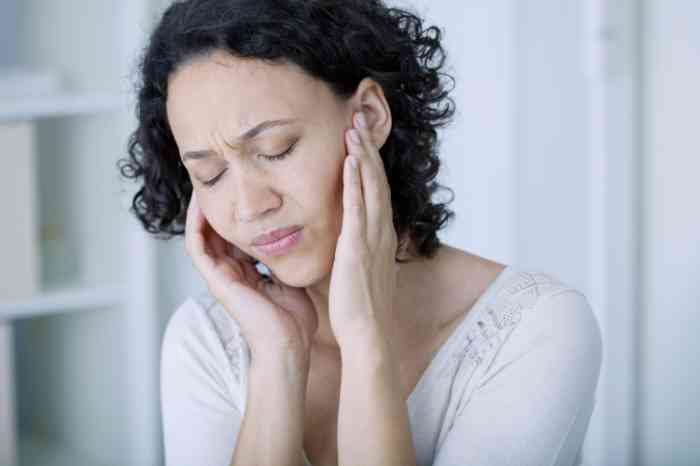
Excess mucus and nasal congestion from allergic reactions can irritate your throat and ears. Allergic reactions also lead to swollen tissue and congestion—both of which can cause ear infections. With that congestion, swelling and extra mucus, you may notice your ears will become itchy, uncomfortable or even painful—all symptoms of infection. So the answer to “Can allergies cause ear infections?” is a resounding “yes”.
The eustachian tube—the tube going from your middle ear to the back of your throat—can get blocked due to congestion and inflammation and therefore fill with mucus, germs and bacteria. The same thing happens no matter what kind of allergy you have. If left to fester, that buildup will lead to an infection. Since their eustachian tube is smaller, young children are especially prone to this issue.
For adults, middle ear infection symptoms include:
If your child has an ear infection, they may have:
You also may notice them pulling or rubbing their ears, getting more irritated or being unresponsive.
One of the best ways to care for your ears and prevent hearing loss is to get them properly examined by a hearing care professional. Find your nearest Miracle-Ear store to get started on your journey to better hearing.
Before pursuing treatment for your allergy-related ear pain, find out what’s causing these allergic reactions. You can do so by visiting a doctor and undergoing an allergy test.
The skin allergy test involves taking tiny amounts of an allergen and inserting it into the skin to see how it reacts. Or, for those deemed unable to do a skin test, doctors can test blood to see if you have increased amounts of immunoglobulin E—the antibody that attacks allergens and harmful substances. A doctor can determine which test works best for you based on your medical history.
Over-the-counter allergy medications can alleviate symptoms that interfere with your hearing. This kind of medication reduces histamine and the swelling it causes.
An antihistamine will relieve sneezing, itching, hives and runny noses. You can find nasal sprays, tablets, pills or liquid versions of antihistamines. Before taking any OTC medications, consult with a doctor or pharmacist if you are currently taking any additional medications.
Decongestants work a bit differently than antihistamines. While antihistamines help dry up a runny nose, decongestants open up a congested, stuffy nose. They are available over the counter in spray, tablet or capsule form.
There’s also a combination of the two. A combined antihistamine/decongestant is ideal for cold-like symptoms and hay fever, a common condition caused by an allergy to pollen or other environmental allergens. While there are some possible combination medications available over the counter, doctors often must give a prescription with instructions regarding dosage for your specific medical needs.
If medications like antihistamines, decongestants or a combination of the two don’t resolve your ear pain, injected drugs can offer a long-term solution. These shots are given regularly over three to five years. Allergy shots are part of immunotherapy, which takes small doses of the allergen and repeatedly introduces it to your body. The immune system then starts to build a tolerance to that introduced allergen, gradually minimizing your allergy symptoms.
Allergy shots serve as a long-term solution for unavoidable allergies or symptoms not managed by other medications, like antihistamines or decongestants. They can also be a good solution for people who take regular prescriptions and medication that other allergy medications would affect or interfere with.
If your earache and ear pain do not resolve along with the rest of your allergy symptoms, visit the doctor and check for an ear infection.
For drug-free alternatives to over-the-counter medication and allergy shots, try these home remedies for allergy ear pain:
And once you determine the source of your allergies, try to minimize their effects by eliminating allergens from your home and workplace, wearing a mask during allergy season, drinking plenty of water and running an air purifier.
How to make your ears stop hurting from allergies? Ear pain caused by allergies is often the result of inflammation or congestion in the Eustachian tubes, which connect the middle ear to the back of the nose and throat. When these tubes become blocked due to allergic reactions—commonly from pollen, dust, pet dander, or mold—pressure can build up in the ear, leading to discomfort or pain.
To relieve ear pain from allergies, start by managing the underlying allergic response. Antihistamines such as cetirizine or loratadine can reduce inflammation and mucus production. Nasal corticosteroid sprays (like fluticasone) are also effective in reducing congestion and Eustachian tube pressure. Using a saline nasal rinse or spray can help clear allergens and mucus from the nasal passages, improving airflow and drainage. Decongestants may provide short-term relief, but they should be used cautiously and only for a few days.
Applying a warm compress to the affected ear can ease discomfort, and chewing gum or yawning may help equalize pressure. If symptoms persist or worsen, especially if accompanied by hearing loss or fever, consult a healthcare provider. In some cases, untreated ear pressure from allergies can lead to ear infections or chronic Eustachian tube dysfunction.
Yes, allergies can cause ear pain in one side only, although it’s more common for both ears to be affected. When allergens like pollen, dust, or pet dander trigger an allergic reaction, the Eustachian tubes—which connect the middle ear to the back of the nose—can become inflamed or blocked. This may lead to ear pressure, discomfort, or pain.
If the congestion or blockage is worse on one side, or if you tend to sleep on one side more often, you may experience unilateral (one-sided) ear pain. Fluid buildup, unequal pressure, or localized swelling from sinus congestion can also contribute to discomfort in just one ear.
However, one-sided ear pain can also be caused by ear infections, Temporomandibular Joint (TMJ) issues, or impacted earwax, so it’s important not to assume allergies are the only cause.
If the pain is persistent, severe, or accompanied by symptoms like fever, hearing loss, or drainage, you should consult a healthcare provider to rule out other conditions. For allergy-related ear pain, treating the underlying allergies with antihistamines, nasal sprays, or saline rinses can often provide relief.
When you’re exposed to allergens like pollen, dust, mold, or pet dander, your immune system reacts by releasing histamines, which trigger inflammation and mucus production. This can lead to congestion in the nasal passages and Eustachian tubes—the small tubes that connect the middle ear to the back of the nose and throat.
If the Eustachian tubes become blocked due to swelling or mucus, pressure can build up in the middle ear, causing a clogged or full sensation. You might also experience muffled hearing, ear popping, or mild discomfort, especially during allergy season.
Clogged ears from allergies are usually not serious, but they can be uncomfortable. Treatment often includes:
If symptoms persist or are accompanied by pain, dizziness, or drainage, consult a healthcare provider. In some cases, untreated allergy-related ear congestion can lead to ear infections or temporary hearing issues.
You may be wondering, ""How do I get rid of clogged ears from allergies?"" Clogged ears are a common symptom of seasonal or environmental allergies. When allergens like pollen, dust, or pet dander trigger an immune response, your body produces histamines, leading to nasal congestion, inflammation, and mucus buildup. This can block the Eustachian tubes, which connect the middle ear to the back of the throat, resulting in a feeling of fullness, pressure, or muffled hearing in the ears.
To relieve allergy-related ear congestion, start by treating the underlying allergies. Oral antihistamines such as loratadine or cetirizine can reduce histamine reactions and inflammation. Nasal corticosteroid sprays like fluticasone help shrink swollen nasal tissues and promote better drainage. For extra relief, saline nasal sprays or rinses can flush out allergens and clear mucus from the nasal passages.
In some cases, decongestants may help reduce Eustachian tube swelling, but they should be used short-term to avoid rebound congestion. Chewing gum, yawning, or swallowing can also help equalize pressure in the ears.
For persistent symptoms, especially if one ear remains clogged or you experience pain or hearing loss, consult a healthcare provider. Left untreated, prolonged ear congestion from allergies can lead to ear infections or chronic Eustachian tube dysfunction, requiring further treatment.
Yes, allergies can cause both an earache and a sore throat.
When you're exposed to allergens such as pollen, dust, mold, or pet dander, your body releases histamines that trigger inflammation and mucus production in the nasal passages and sinuses. This can lead to several related symptoms, including:
Unlike viral infections, allergy-related sore throats and earaches typically do not come with fever or significant fatigue. They may be chronic or seasonal, depending on exposure to allergens.
Treatment usually includes antihistamines, nasal corticosteroid sprays, and saline rinses to reduce inflammation and clear mucus. If symptoms are persistent or worsen, especially on one side, consult a healthcare provider to rule out other causes like infections or structural issues.
Most ear pain should resolve within two or three days. Consult your doctor about any ear pain that does not improve in 24 to 48 hours, especially if you’re experiencing symptoms such as blood or pus in the ear, high fever, headache, dizziness, swelling or intensified ear pain.
Join the millions of Americans who have trusted Miracle-Ear for hearing care that’s tailored to their needs.
When allergies cause ear pain, it's usually due to inflammation or congestion in the Eustachian tubes, which connect the middle ear to the back of the nose. To relieve this type of ear discomfort, allergy treatments that reduce swelling and mucus production are most effective.
If ear pain continues despite allergy treatment, consult a healthcare provider to rule out an ear infection or other causes.
An ear infection caused by allergies typically results from congestion and inflammation in the Eustachian tubes, which connect the middle ear to the back of the throat. When these tubes become blocked due to an allergic reaction, fluid can build up behind the eardrum, creating an environment where bacteria or viruses can grow, leading to an infection.
To treat an allergy-related ear infection, it’s important to address both the infection and the underlying allergic inflammation. If a bacterial infection is confirmed, a doctor may prescribe antibiotics. For viral or mild infections, treatment often focuses on symptom relief.
Antihistamines (like loratadine or cetirizine) and nasal corticosteroid sprays (such as fluticasone) help reduce inflammation, improve drainage, and prevent future fluid buildup. Decongestants may also be used short-term to relieve nasal swelling and promote Eustachian tube function.
Pain relief can be managed with acetaminophen or ibuprofen, and applying a warm compress over the affected ear may provide additional comfort. Saline nasal rinses can help clear allergens and mucus from the sinuses, reducing pressure on the ears.
If symptoms persist or worsen—such as increased pain, fever, or hearing loss—consult a healthcare provider for further evaluation and treatment.
Ear pain from allergies is typically caused by inflammation or congestion in the Eustachian tubes, which connect the middle ear to the back of the throat. When these tubes become blocked due to an allergic response, pressure builds up in the middle ear, leading to discomfort or a feeling of fullness.
You may suspect your ear pain is allergy-related if it occurs alongside other typical allergy symptoms, such as sneezing, nasal congestion, itchy eyes, postnasal drip, or a runny nose—especially during allergy season or after exposure to allergens like pollen, dust, or pet dander.
Unlike ear infections, allergy-related ear pain is usually mild to moderate and is often felt in both ears. There’s usually no fever, and the pain may come and go depending on allergen exposure. You might also notice popping sensations, muffled hearing, or ear pressure, which are signs of Eustachian tube dysfunction caused by congestion.
If your ear pain improves with the use of antihistamines or nasal corticosteroid sprays, this further supports an allergy-related cause. However, if the pain is severe, persistent, or accompanied by fever or drainage, consult a healthcare provider to rule out an ear infection or other conditions.





 Our licensed experts will help you with any questions you may have