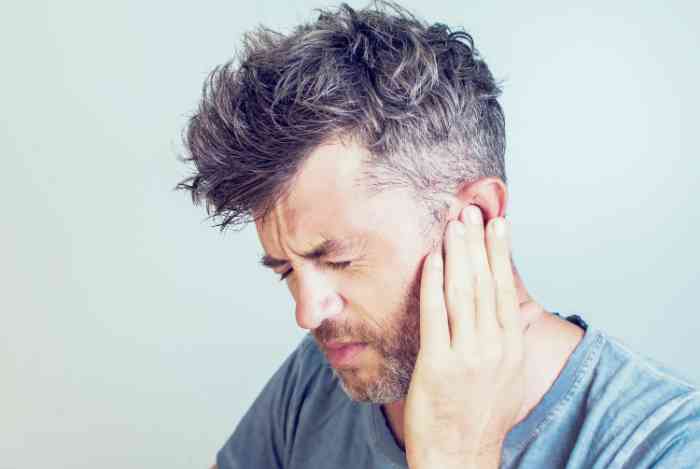
Our ears work hard to process sounds and help us hear. While a lot of sounds can be heard in our surroundings, we may also hear odd sounds come from inside of our ears. It’s normal to occasionally hear ringing, buzzing, or clicking sounds when nothing is around. You might also hear crackling sounds in your ears, which are often compared to the noise you hear when you pour milk into a bowl of crispy cereal.
What causes your ears to crackle? Learn more about crackling ears and what they mean.
You might hear your ears crackle when you swallow or yawn, especially after a cold. That’s because crackling ears are often a result of blocked eustachian tubes, which are located in your middle ears. Your eustachian tubes are located on each side of your face and connected to your nose and upper part of your throat. These tubes are mostly closed and only open when you chew, swallow, or yawn. [1] When the eustachian tubes are blocked or don’t function properly, fluids and pressure build up in your ears and cause popping and crackling sounds. This condition is called eustachian tube dysfunction, or ETD. [1]
Blocked eustachian tubes can be caused by multiple reasons. Some common causes include:
If you ever drive up to higher climates, fly in an airplane, or swim to the bottom of a deep pool, your ears may start feeling a little clogged. This is due to the pressure changes from altitude.
You may notice that your ears will crackle when you are sick with the cold or are dealing with allergy symptoms. The inflammation and excess mucus that come with colds and allergies can block the eustachian tubes, causing increased ear pressure. If your ears crackle after sneezing, it’s because your eustachian tubes have opened and released the pressure.
Ear infections occur when the eustachian tubes swell up, causing fluids to build up in the middle ear. [2] You may start experiencing symptoms when then these fluids get infected by bacteria or viruses. Children are more likely to experience ear infections because their eustachian tubes are much smaller. [2]
If your eustachian tubes aren't blocked, there could be other reasons behind your crackling ears. Another possible cause of crackling ears is excessive ear wax. Ear wax is a useful substance that moisturizes your ears and protects them from debris, but too much of it can harden in your ears and block the ear canal. This can cause partial hearing loss and crackling or ringing noises in your ears. If you think you may have excessive ear wax, the best way to get your ears cleaned is to have a doctor do it for you.
Understanding how to stop crackling in the ears starts with identifying the root cause. One of the most common reasons for crackling in the ear is Eustachian tube dysfunction. This small tube connects your middle ear to the back of your throat and helps regulate pressure. When it becomes blocked—often due to allergies, sinus infections, or a cold—you may hear crackling, popping, or clicking sounds as the pressure equalizes. Over-the-counter decongestants, nasal sprays, and antihistamines can help relieve the congestion and reduce the noise.
Earwax buildup is another possible culprit. If wax gets compacted near the eardrum, it can cause a crackling or clicking sound when it shifts. The American Academy of Otolaryngology recommends using ear drops to soften wax or having it removed by a professional—never insert cotton swabs into the ear canal.
Temporomandibular joint (TMJ) disorders can also be responsible, especially if the clicking occurs when chewing or talking. In this case, wearing a night guard, avoiding gum, or doing gentle jaw exercises may help reduce symptoms.
If you’re looking for how to stop clicking in ear related to inner ear issues or pressure changes, chewing gum, swallowing, or yawning may help pop your ears and ease discomfort—particularly during air travel. Persistent symptoms should be evaluated by an ENT specialist, especially if accompanied by hearing loss, pain, or dizziness. Treating the underlying cause is the most effective way to stop crackling and clicking in the ears for good.
Yes, you can feel a crackling sound in your ear without pain, and while it may seem unusual, it's usually not a sign of anything serious. This sensation often comes and goes and can be triggered by a variety of mild, temporary conditions.
One possible reason is changes in air pressure, such as during air travel, diving, or even driving through mountains. When the pressure inside your middle ear doesn’t match the outside air pressure, you may hear a crackling or clicking sound. In these cases, gently blowing with your nose pinched (the Valsalva maneuver) or using filtered earplugs designed for pressure regulation may help.
Another factor could be muscle spasms within the middle ear. According to Harvard Medical School, small muscles in the ear can occasionally twitch, producing a fluttering or crackling noise. This is typically harmless and not linked to pain or infection.
Diet and lifestyle may also play a role. Caffeine and stress can increase muscle tension or trigger jaw clenching, both of which may contribute to subtle ear noises. Reducing stimulants and practicing relaxation techniques can minimize symptoms.
If you're searching for how to stop crackling in the ears, keep track of when the sounds occur—after meals, during exercise, or in specific environments. This can help pinpoint the trigger and guide treatment. Similarly, for those wondering how to stop clicking in ear, identifying jaw or muscle involvement may lead to simple lifestyle adjustments that provide relief.
While occasional crackling is usually not dangerous, you should consult a healthcare provider if it becomes frequent, disrupts your hearing, or is accompanied by dizziness or imbalance. A medical evaluation can help rule out rare but more serious underlying issues.
Experiencing crackling in the ear with pain can be unsettling and may indicate an underlying issue that requires medical attention. While occasional ear crackling without discomfort is often harmless, the presence of pain may suggest infection, inflammation, or pressure buildup that shouldn’t be ignored.
One common cause of pain and crackling in the ear is a middle ear infection (otitis media). This condition occurs when fluid becomes trapped behind the eardrum, often due to a cold or upper respiratory infection. The trapped fluid can create a crackling or popping noise as pressure changes, and inflammation can lead to sharp or throbbing pain.
Another possible cause is ear barotrauma, which occurs when there’s a sudden change in air pressure—such as during flying or scuba diving—and the Eustachian tube fails to equalize the pressure properly. This can lead to discomfort, a feeling of fullness, and a crackling noise as the pressure shifts. In more severe cases, it can result in significant pain or even eardrum damage.
If your ear is making a crackling noise and also feels tender or painful to the touch, earwax impaction may be to blame. Hardened wax pressing against the eardrum can cause both sensations and sometimes lead to infection if not treated properly. The American Academy of Otolaryngology recommends seeking professional care for safe wax removal rather than attempting to clean it at home.
Though not always serious, crackling in the ear with pain should not be dismissed, especially if it's persistent, affects hearing, or is accompanied by fever or drainage. In such cases, it’s best to consult a healthcare provider or ENT specialist to determine the cause and receive appropriate treatment. Early diagnosis can help prevent complications and restore ear health quickly.
If you’ve ever noticed that your ears crackle when you swallow, you’re not alone. This is a common experience and usually not a cause for concern. The sensation occurs because of the way your body naturally manages pressure in your ears.
When you swallow, yawn, or chew, small muscles in your head activate the Eustachian tubes, which connect the middle ear to the back of the nose and throat. These tubes help equalize pressure between your inner ear and the outside environment. The slight movement of air through the tubes can produce a crackling or popping noise. So, if your ears pop when you swallow, it’s often just a sign that your ears are adjusting pressure properly.
However, if the crackling in the ear when swallowing becomes persistent or uncomfortable, it may point to an issue with how the Eustachian tubes are functioning. Eustachian tube dysfunction can occur during allergies, colds, sinus infections, or after changes in altitude, such as flying or hiking. The tubes may become blocked or inflamed, causing pressure to build up and making that crackling sound more noticeable. In some cases, excess earwax or mild middle ear fluid buildup can also contribute to the sensation. These conditions are typically mild and respond well to over-the-counter remedies like nasal decongestants or antihistamines.
While ears crackling when you swallow is usually harmless, if the noise is accompanied by pain, dizziness, muffled hearing, or lasts more than a few weeks, it’s a good idea to consult a healthcare provider. Persistent symptoms could signal an infection or other condition needing treatment.
In most cases, though, those little pops and crackles are just your ears doing their job of keeping pressure in balance.
Feeling a crackling in the ear when yawning is a common and usually harmless experience. This sensation happens because yawning activates muscles that open the Eustachian tubes—tiny passages that connect your middle ear to the back of your nose and throat. The Eustachian tubes help equalize air pressure on both sides of the eardrum. When you yawn, pressure shifts through these tubes, often creating a popping or crackling sound.
So, if your ears crackle when you yawn, it typically means that the Eustachian tubes are functioning properly. This process keeps your hearing clear and your ear pressure balanced, especially during changes in altitude or when you're congested due to allergies or a cold.
However, if the crackling becomes frequent or is accompanied by discomfort, it could be a sign of Eustachian tube dysfunction. This condition occurs when the tubes become blocked or don’t open fully, leading to a feeling of fullness, pressure, or crackling sounds in the ears. Research shows that this is often linked to sinus infections, allergies, or recent respiratory illnesses.
In some cases, earwax buildup near the eardrum can also amplify these crackling noises. As the jaw moves during yawning, the wax may shift slightly, causing the sensation without pain.
While occasional crackling in the ear when yawning is normal and even expected, recurring symptoms or those associated with hearing loss, dizziness, or pain should be evaluated by a medical professional. Treatments may include nasal sprays, antihistamines, or minor procedures to restore Eustachian tube function. In most cases, though, a little crackle during a yawn is just your body’s way of keeping your ears in balance—nothing to worry about.
Hearing a crackling sound in the ear when moving the jaw or chewing is often linked to the structures near the ear canal, particularly the temporomandibular joint (TMJ). This joint connects your jawbone to your skull and is located very close to the ear. Dysfunction or inflammation in the TMJ can produce sounds like clicking, popping, or crackling, especially when chewing, talking, or yawning. Muscle tension or jaw clenching (bruxism), often caused by stress, can also contribute to these noises. As the jaw moves, the surrounding tissues and joints may shift, creating subtle internal sounds that are picked up by the ear.
Another possible explanation is pressure changes within the middle ear, particularly if you have mild Eustachian tube dysfunction. Jaw movement can briefly alter ear pressure, sometimes resulting in a crackling sensation. However, when the sound occurs only with jaw motion and isn’t accompanied by hearing loss, pain, or fullness, it's more likely to be TMJ-related. If the sound persists or is accompanied by discomfort, consult an ENT specialist or dentist. They can assess whether it's an ear-related issue or something affecting the jaw joint, and recommend the appropriate treatment.
Crackling in the ears when blowing your nose is a common and usually harmless sensation. It typically happens because of sudden pressure changes in the middle ear. When you blow your nose, especially forcefully, air pressure can build up in the back of your throat and travel up the Eustachian tubes, the small passages that connect the middle ear to the nose and throat. If these tubes are partially blocked due to congestion or a cold, you might hear a crackling or popping noise as air tries to pass through or the tubes suddenly open.
Another reason for the crackling sound can be the movement of fluid or mucus in the middle ear. This is more likely to occur if you're dealing with a sinus infection, allergies, or a cold. The shift in pressure while blowing your nose may cause that fluid to move slightly, creating a crackling or bubbling sensation inside the ear. If your ears are a bit clogged or you have a mild imbalance in pressure, the eardrum may also flex slightly during nose-blowing, leading to a noticeable crackling sound.
While this is usually nothing to worry about, frequent or painful crackling, or sensations that affect your hearing, may require a check-up to rule out any underlying issues.
Using hydrogen peroxide in the ears is a common home remedy for softening and removing excess earwax. When applied, it's normal to hear crackling or fizzing noises—this is simply the solution reacting with the wax and releasing oxygen. The bubbling effect helps break down and loosen hardened wax, making it easier to drain out of the ear naturally or with gentle flushing.
The crackling sound can feel unusual, but it’s generally a sign that the hydrogen peroxide is doing its job. Most people use a 3% solution, applied with a dropper while lying on their side for a few minutes, then drain the ear by tilting their head in the opposite direction. However, it’s important not to use hydrogen peroxide if you have a perforated eardrum, an ear infection, or a history of ear surgery, as it can irritate the inner ear and worsen symptoms. Overuse may also lead to dryness or irritation of the ear canal.
If you continue to hear crackling long after treatment or experience discomfort, fullness, or hearing changes, it’s best to see a healthcare professional. While occasional use is generally safe, your ears should be cleaned gently and only when necessary.
Hearing a crackling sound in your ear while sick is a common symptom, especially during colds, sinus infections, or allergies. When you're ill, the membranes in your nasal passages and throat often become swollen or produce excess mucus. This can block the Eustachian tubes, which are responsible for equalizing pressure in the middle ear. As a result, the pressure imbalance may cause a crackling sensation in the ear, especially when you swallow, yawn, or blow your nose. The noise can sound like popping, clicking, or rustling. It's caused by small air bubbles or fluid shifting behind the eardrum due to partial blockage or pressure changes.
This isn’t typically painful, but it can be annoying or make your ear feel full or clogged. If the congestion lingers, the crackling may last for several days, even after other symptoms improve. Using a warm compress, staying hydrated, or taking a decongestant can help relieve pressure and restore normal ear function.
While this type of ear crackling is usually temporary and related to upper respiratory symptoms, any persistent noise or discomfort should be checked by a healthcare provider. It could indicate fluid buildup or a developing ear infection that may need medical treatment.
If you’re dealing with constant crackling in the ear, it can be both distracting and frustrating. While occasional ear noises are common, ongoing crackling and popping often point to an underlying issue that needs attention. One of the most frequent causes is Eustachian tube dysfunction. These small tubes connect the middle ear to the back of the throat and help regulate air pressure. When they don’t open or close properly—due to allergies, sinus congestion, or even altitude changes—you may hear frequent crackling sounds as pressure tries to equalize. Unlike occasional popping, this kind of dysfunction can lead to persistent symptoms.
Another explanation for why your ear is crackling could be related to temporomandibular joint (TMJ) problems. The jaw joint sits close to the ear canal, and issues like clenching, grinding, or joint inflammation can cause noises when the jaw moves—even if you're not aware you're doing it. Less commonly, muscle spasms in the middle ear can trigger repetitive crackling or fluttering sounds. These involuntary contractions are usually harmless but can be annoying and difficult to control.
Impacted earwax is another possibility. While wax buildup is normal, if it becomes compacted or pushes against the eardrum, it may cause continuous crackling or a sensation of fullness. Environmental factors like dry air or frequent use of earbuds can irritate the ear canal and worsen the sensation.
If you experience constant crackling in the ear along with discomfort, hearing changes, or dizziness, it’s best to seek a medical evaluation. Treating the underlying cause—whether it’s congestion, jaw tension, or wax buildup—is often the key to lasting relief. Persistent ear sounds are rarely dangerous, but they shouldn’t be ignored if they interfere with daily life.
Hearing strange noises inside your ear can be unsettling, especially when they vary in type and frequency. Many people report hearing a crackling in the ear like Rice Krispies, which is often described as a soft, repetitive popping or fizzing. This sound is usually linked to Eustachian tube activity, where tiny pressure shifts or air bubbles move behind the eardrum—common during yawning, swallowing, or sinus congestion.
A crackling sound inside the ear may also present as a more irregular or subtle noise, sometimes accompanied by a sensation of fullness. This can occur when fluid builds up in the middle ear due to allergies, colds, or sinus infections. As the fluid shifts, it can create a squishy sound in the ear, especially during head movement or jaw motion.
A crunching sound in the ear tends to be sharper and may occur when chewing or moving the jaw. In many cases, this is related to the temporomandibular joint (TMJ), which sits just in front of the ear and can cause sound transmission when inflamed or misaligned.
Meanwhile, a popcorn sound in the ear—louder, more distinct popping noises—is sometimes linked to spontaneous muscle contractions in the middle ear. These rare spasms, though harmless, can cause repeated clicking or popping that resembles popcorn popping.
Each of these sounds can mean different things, from minor earwax movement to pressure imbalances or muscle activity. While occasional ear crackling is typically harmless, persistent or worsening noises—especially when accompanied by hearing changes or pain—should be evaluated by a medical professional. Identifying the type and cause of the sound is the first step toward proper treatment and long-term relief.
Yes, crackling in the ear can sometimes be linked to COVID-19, particularly during or after a respiratory infection. While COVID primarily affects the lungs and respiratory system, many people also report symptoms involving the ears, including pressure, fullness, and unusual sounds like crackling or popping.
One possible reason is inflammation caused by the virus. COVID-19 can lead to congestion in the nasal passages and sinuses, which may block the Eustachian tubes—the small passages that help balance pressure in the middle ear. When these tubes become inflamed or clogged, they may not function properly, leading to sensations like crackling, popping, or a feeling of fullness in the ear.
Another factor is fluid buildup behind the eardrum. This is more likely if you're experiencing congestion or sinus pressure as part of a COVID-related upper respiratory infection. As the fluid shifts, it can create a noticeable crackling sensation in the ear, especially when swallowing or moving your head. Post-viral inflammation may also affect inner ear structures, causing lingering symptoms even after the main illness has resolved.
Though less common, some people have reported changes in hearing or balance after COVID, which can include subtle noises in the ear. It’s important to note that ear crackling doesn't automatically mean you have COVID. These symptoms are also common with colds, allergies, or sinus infections. However, if they appear alongside other COVID symptoms—such as fatigue, cough, fever, or loss of smell—it’s worth getting tested.
If the crackling continues for more than a few weeks or is accompanied by pain or hearing loss, consult a healthcare provider. They can check for fluid, pressure issues, or other complications that may need treatment. In many cases, the symptom resolves on its own as inflammation and congestion subside.