There are many ways hearing aids can improve how you hear and understand speech. Everyone’s hearing is different, so it’s important to work closely with your hearing care professional to determine what works best for you. By taking proactive steps, choosing the right device, making appropriate adjustments, and maintaining regular care, you can experience more natural conversations and feel more confident in social settings. With the right support and equipment, clearer speech and better communication are well within reach.
Processing speech is a complex task that involves multiple parts of the auditory system and the brain working in harmony.
However, speech understanding goes beyond just hearing sounds. The brain also relies on visual input, previous experiences, and language knowledge to make sense of what is heard. This is why observing facial expressions or lip movements can significantly improve comprehension, especially in noisy environments. By integrating both auditory and contextual information, the brain can successfully interpret speech even when background noise or unclear speech makes listening more difficult.
Speech understanding depends on an interplay of cognitive focus, peripheral signal quality, acoustic environment, and spatial hearing abilities.
Hearing aids are advanced electronic devices designed to improve hearing, with a particular focus on enhancing speech clarity. They work by collecting sound through a microphone, processing it via a digital amplifier, and delivering the optimized sound into the ear through a speaker. But their true power lies in how they distinguish and enhance speech, especially in challenging listening environments.
Learn more about how your hearing works from certified experts.

These features are designed to help you recognize and understand speech more clearly, even when there is background noise or when the speaker is at a distance.
These microphones are built into hearing aids to focus on sound coming from a specific direction—usually from in front of the listener. They help isolate the voices and sounds you want to hear, reducing distractions from surrounding noise. Common manufacturer terms include:
These external devices capture speech and transmit it directly to your hearing aids, enhancing clarity and volume. They are especially useful in noisy environments or when the speaker is far away. You may see terms such as:
These settings automatically adjust sound levels, amplifying softer sounds while keeping louder ones comfortable. This helps make quiet speech easier to hear without overwhelming your ears with loud noises. Terminology often used includes:
This feature helps manage sounds that are too loud, too soft, or outside typical speech ranges. It can also enhance sound quality, including music listening, by reducing unwanted background noise. Related terms from manufacturers:
AI-powered hearing aids use advanced computing to learn your preferences and environments. AI can automatically adjust settings based on patterns, such as your location or past choices, to give you an optimized listening experience. You might encounter these terms:
Artificial Intelligence (AI) is reshaping the landscape of hearing aid technology, delivering intelligent, responsive solutions that dramatically enhance how users perceive and engage with the world around them. One of the most groundbreaking advancements is in the area of speech understanding, a critical challenge for those with hearing loss, especially in noisy or dynamic environments.
Discover why AI-powered hearing aids are changing the way we hear.
Janet's hearing journey is unique—just like her needs as a singer. With help from Miracle-Ear’s Kim Johnson, she found hearing aids and settings that helped her hear clearly again.
Clear speech is vital for effective communication because it enables people to understand one another accurately and respond with confidence. When speech is articulated clearly, each word and sound becomes more distinct, helping to minimize the risk of confusion or misinterpretation.
Hearing aids help improve speech by making sounds more audible and easier to interpret. For individuals with hearing loss, soft speech sounds, such as certain consonants, can become difficult to detect, causing words to blur or sound muffled. Hearing aids address this by amplifying those subtle sounds, allowing speech to come through more clearly. Many modern devices also reduce distracting background noise, which helps voices stand out more distinctly in various settings. Whether in a quiet home or a noisy café, hearing aids support better conversation by making speech easier to follow.
In addition to increasing volume, hearing aids are specifically designed to enhance the clarity of speech. Built-in technology processes incoming sound in real time, highlighting voices while minimizing surrounding noise. Some models even adjust automatically to different environments, offering a more natural and effortless listening experience. By improving both the audibility and clarity of speech, hearing aids help reduce strain during conversations, making communication smoother and more enjoyable.
From the state of New Jersey, Deborah shares how Miracle-Ear's cutting-edge hearing aids have transformed her life.
The design and style of a hearing aid can influence how well it supports speech understanding. Devices worn behind the ear often include directional microphones and noise filtering features that help isolate voices in noisy environments. In-the-ear options, which fit directly in the ear canal, take advantage of the ear’s natural shape to channel sound effectively.
Choosing the right style depends on individual hearing needs and lifestyle preferences. If hearing in loud environments is a frequent challenge, a model with strong speech enhancement and noise reduction may be ideal. Those who value comfort and discretion might prefer a smaller, less visible option. A Miracle-Ear hearing care professional can help guide this choice, ensuring you receive a device that supports speech clarity and fits your daily routine.
Hearing aids today go far beyond basic sound amplification. They incorporate advanced features designed to improve speech comprehension and overall listening comfort. One powerful example is M-E Conversation+*, which enhances speakers within a 6.5ft distance while minimizing distracting background noise.
Many hearing aids also offer wireless connectivity, allowing users to stream audio from phones, televisions, and other devices directly to their hearing aids. This enhances clarity and gives personal control over the listening experience. Together, these technologies turn hearing aids into powerful tools for better communication and social connection.
Even with these features, it’s important to have the guidance of a professional to choose the right options for your needs. When you visit your local Miracle-Ear, our licensed hearing care experts will take the time to get to know you and understand your needs, ensuring you get the best device for your level of hearing loss, lifestyle, and budget.
Improving speech clarity through hearing aids involves more than increasing the volume. Because every individual hears differently, personal adjustments can significantly impact how well speech is understood. Most hearing aids can be tailored to emphasize speech through pitch, volume, and noise reduction settings, helping users focus better on important sounds.
Microphone settings are particularly valuable. Directional microphones, for example, help target speech coming from in front of the listener, which is useful in noisy environments. Adjusting this feature makes it easier to follow conversations even when surrounded by background sounds.
Noise reduction settings can also make a big difference. These help filter out persistent background sounds—such as air conditioning or traffic—so the brain can concentrate on speech. However, fine-tuning is essential to avoid losing important environmental cues. Your hearing care professional will help fine-tune these settings to ensure they are optimized for both clarity and situational awareness.
Hearing needs can evolve, so it’s important to revisit these adjustments regularly. As your hearing changes, so should your device settings. Frequent check-ins with your hearing care professional allow your hearing aids to remain effective and comfortable, keeping speech clear and communication natural in any setting.
One of the best ways to care for your ears and prevent hearing loss is to get them properly examined by a hearing care professional. Find your nearest Miracle-Ear store to get started on your journey to better hearing.
Proper hearing aid maintenance is key to ensuring they continue to deliver clear and consistent sound. Over time, earwax, dust, and moisture can accumulate and interfere with how well the devices function. Cleaning your hearing aids regularly with a dry cloth and using wax filters can prevent blockages that distort sound. Keeping them stored safely in a dry case when not in use also extends their lifespan.
Battery performance also affects sound quality. Low batteries may lead to distorted audio or reduced amplification, which can impact speech understanding. Regularly replacing disposable batteries—or keeping rechargeable models fully charged—ensures your devices perform at their best.
It’s also helpful to schedule routine professional maintenance to keep your hearing aids performing at their best. With Miracle-Ear’s unlimited aftercare, you get ongoing support at no extra cost—including device inspections, internal cleanings, and personalized adjustments. These appointments help maintain optimal performance, ensuring your hearing aids support confident communication across different environments.
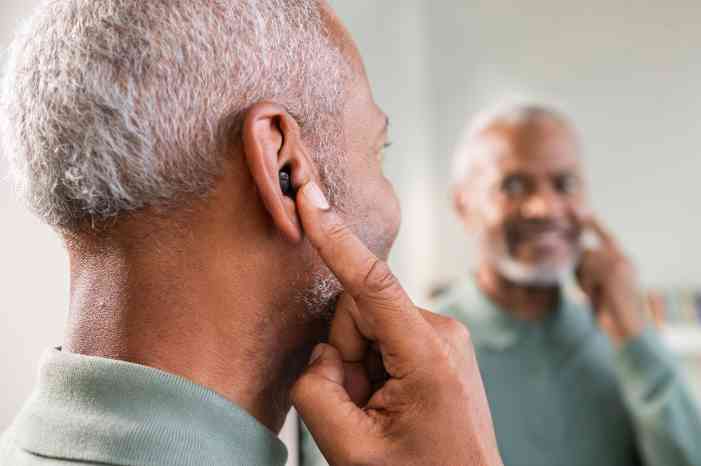
Even with well-fitted hearing aids, there may be times when professional help is needed. If your devices no longer seem effective or you’re having trouble hearing in certain situations, it may be time for a reassessment. You may also want to explore new features or adjustments that could better suit your lifestyle.
Miracle-Ear hearing care professionals are here to help you get the most out of your devices. They can evaluate your hearing, identify areas for improvement, and fine-tune your hearing aids based on your feedback.
Because hearing loss varies from person to person, personalized care is essential. Maintaining open communication with your Miracle-Ear specialist ensures that challenges are addressed early and that your devices remain aligned with your needs for clarity, comfort, and connection.



 Start your journey to better hearing today


.jpg/jcr:content/renditions/cq5dam.web.700.700.jpeg)




 Find your closest Miracle-Ear center