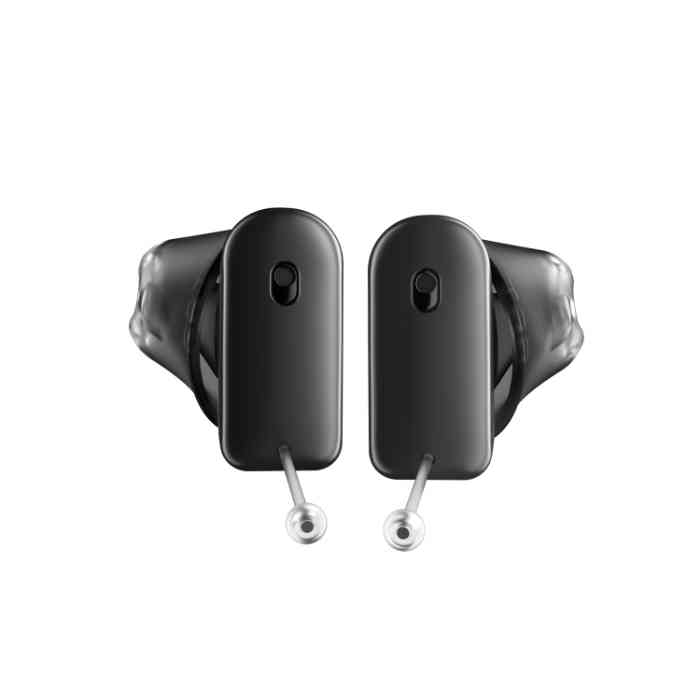
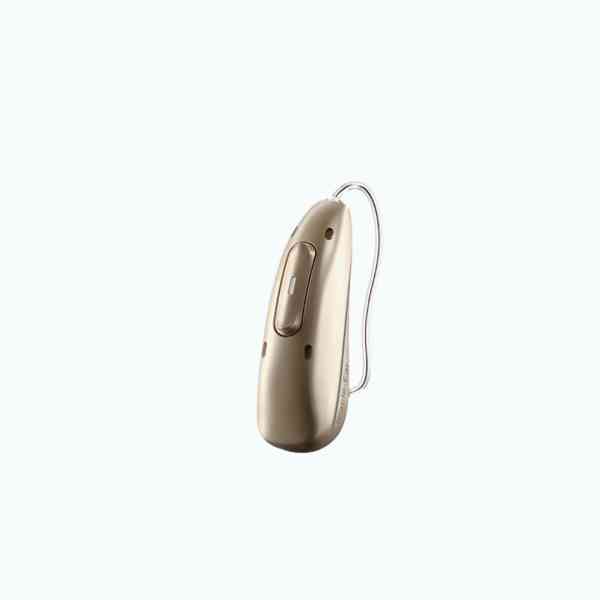
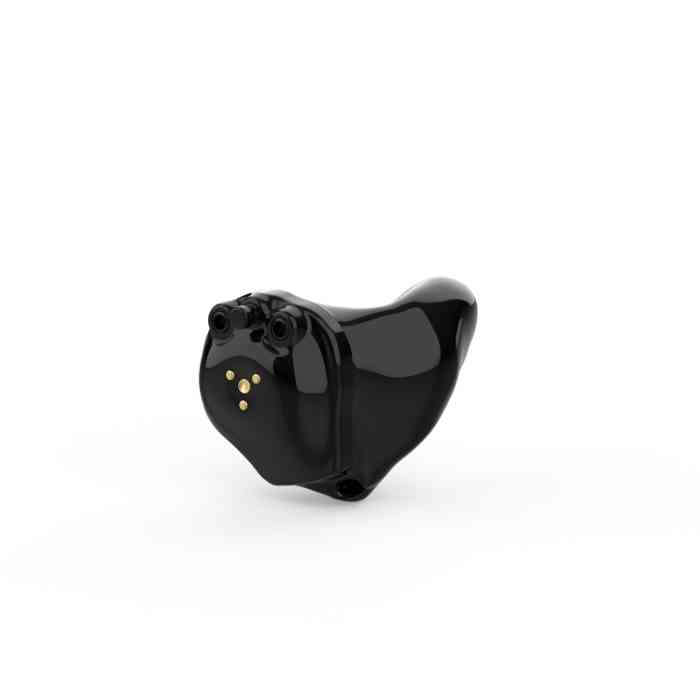
Modern hearing aid technology has seen a remarkable transformation thanks to advancements in miniaturization. Today’s ultra-compact in-the-ear devices fit entirely within the ear canal, making them virtually invisible when worn. This shift marks a major departure from traditional, bulky behind-the-ear models, giving users discreet, high-performance hearing support.
These modern hearing aids pack advanced digital components—including sound processors, microphones, and batteries—into a casing no larger than a fingertip. Despite their tiny size, they deliver outstanding sound quality, with features like speech enhancement and noise reduction.
This not only hides the device completely but also takes advantage of the ear’s natural shape to improve acoustics. The secure, personalized fit ensures both comfort and optimal performance without drawing attention.
Importantly, miniaturization hasn’t sacrificed functionality. Many of these devices include smartphone connectivity, app-based controls, and even rechargeable battery options. Their discreet design is a game-changer for people who may have avoided hearing aids due to concerns about visibility or appearance. Miracle-Ear offers a wide range of these discreet styles, combining innovation and comfort for those seeking subtle, high-tech hearing solutions.
This new generation of hearing aids represents more than just a technological leap: it redefines hearing support as sleek, subtle, and seamlessly integrated into daily life.
Think back to the early days of technology: computers were once massive machines that filled entire rooms, and the first mobile phones were heavy, slow, and limited in function. Over time, innovation made them smaller, faster, and more powerful—until they became the sleek, portable devices we rely on today.
Transmitter
Transistors
Integrated circuit
An integrated circuit (IC) is a compact set of electronic components etched onto a tiny semiconductor chip. These ICs revolutionized electronic design by dramatically increasing computing power without increasing size. When multiple ICs are combined, they form microprocessors capable of performing complex calculations—enabling hearing aids to process and fine-tune sound in real-time, enhancing clarity and speech recognition for the user.
For individuals who rely on hearing aids, a large, clunky computer was never a realistic option. These devices need to be lightweight, portable, and capable of enhancing hearing in real-time, wherever life takes you. The demand for mobility meant hearing aids had to evolve into compact, high-performance devices—complete with a power source small enough to match. This journey toward shrinking technology has been full of major breakthroughs. Here are some of the most important milestones in the evolution of hearing aids.
Thanks to recent advancements in hearing technology, today’s advanced hearing aids are not only more powerful than ever—they’re also smaller, more discreet, and designed to suit different lifestyles and ear shapes. At Miracle-Ear, there are now compact options tailored to a wide range of needs, combining comfort with cutting-edge performance. Here’s a look at the most popular types of small in-ear hearing aids and what sets each one apart.
1. IIC
Best for: Mild to moderate hearing loss
Ideal for: Those who want the most discreet option
IIC hearing aids are the tiniest models available, sitting deep inside the ear canal—so deep they’re almost invisible. These devices are a popular choice for both men and women who want a discreet solution. For people with smaller ears, IICs can be especially appealing, thanks to their ultra-compact, custom-fit design. However, they’re not always suitable for people with very narrow ear canals or those with severe hearing loss.
2. CIC
Best for: Mild to moderate hearing loss
Ideal for: Comfort and low-profile use
CIC hearing aids are slightly larger than IICs, but they still sit almost entirely within the ear canal. They’re often recommended for people with petite ears or for those who want a balance between subtle appearance and useful features. Some models even include volume controls and directional microphones, features that are not always available in the smallest devices.
3. RIC and Mini-RIC
Best for: Mild to severe hearing loss
Ideal for: A mix of style and advanced technology
Receiver-in-canal (RIC) hearing aids are designed to provide a natural sound experience and a discreet appearance. They feature a small housing unit worn behind the ear with a thin wire connecting to a receiver placed in the ear canal, minimizing visibility.
The Mini-RIC is designed to be even smaller and more compact than a standard RIC. It is among the most popular small hearing aids, known for its sleek design, lightweight feel, and advanced performance.
4. ITC
Best for: Mild to moderately severe hearing loss
Ideal for: Those wanting a compact size with added features
ITC hearing aids are a bit larger than CICs but still small and discreet. They sit partially in the ear canal and partially in the outer ear, allowing space for more advanced features like Bluetooth streaming, manual controls, and longer battery life. If you're looking for a hearing aid for a small ear canal, a custom-molded ITC model can provide both comfort and functionality.
5. BTE
Best for: Moderate to profound hearing loss
Ideal for: Users needing power without bulk
Today’s slim BTE hearing aids—often called micro BTEs—are a far cry from the bulky models of the past. These devices are more compact and stylish, with curved designs and fine tubing that make them less noticeable. Despite their small size, they offer advanced technology features and the superior battery performance needed for those with more significant hearing loss.
When it comes to choosing the right hearing aid, consider more than just your level of hearing loss; your comfort, appearance, and daily habits matter too. Small hearing aids for women, such as IICs, Mini-RICs, or CICs, are often the go-to for those with petite ears. If you need stronger amplification, investigate discreet options like RICs or slim BTEs, which may be the smallest hearing aid for severe hearing loss.
At Miracle-Ear, hearing care professionals can help you find the best-fit hearing aids for your hearing loss. Whether you're looking for nearly invisible styles or powerful yet discreet devices, our licensed experts can assist in fitting you with the best hearing aid for your hearing needs, lifestyle, and budget.


 Tomorrow's hearing aids can help you today
 Hear the difference in our stores




.jpg.jpg/jcr:content/renditions/cq5dam.web.700.700.jpeg)