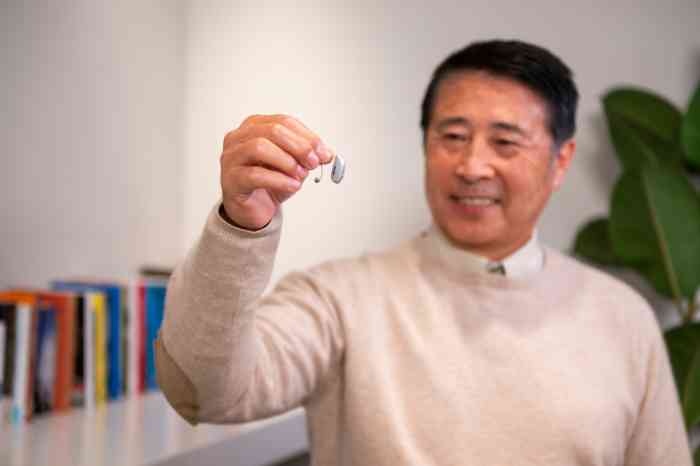
Woman with hearing aids

How to replace BTE hearing aid tubes

Dr. Tom Tedeschi

This content was approved by:

Dr. Thomas Tedeschi, Au.D.

Chief Audiology Officer, Miracle-Ear

The tubing on a Behind-the-Ear (BTE) hearing aid connects the earmold to the hearing aid itself. Over time, it can harden, become discolored, or trap moisture and earwax, which can reduce sound quality and comfort. Replacing the tubing is a simple, routine maintenance task that can help your hearing aids perform like new again.

What is a hearing aid tube?

A hearing aid tube is a key part of a behind-the-Ear (BTE) hearing aid. It connects the main body of the device — which contains the receiver, microphone, and amplifier — to the ear canal. Through this small, flexible tube, sound is delivered directly into the ear. The hearing aid itself sits discreetly behind the ear, while the tube ensures clear sound transmission.

BTE hearing aids are known for offering the most powerful amplification among all hearing aid styles. However, they rely on properly maintained tubes to function effectively. Regular care and timely hearing aid tube replacement are essential to maintain sound quality and device performance.

Types of hearing aid tubes

Hearing aid tubes come in different types and sizes to suit various hearing needs and hearing aid models. They may connect to an earmold or a hearing aid dome, depending on the wearer’s level of hearing loss and the design of the device.

Hearing aid tube sizes

Hearing aid tubes are typically clear and flexible, providing comfort and a discreet appearance. They differ in both diameter and length, and sizing may vary slightly between manufacturers — so it’s important to use tubes made specifically for your hearing aids.

Here’s an overview of the main tube sizes and their ideal uses:

  • Thick Tube: Best for moderately severe to profound hearing loss. The wider diameter allows more amplified sound to reach the ear canal.
  • Thin Tube: Suitable for mild to moderate hearing loss. These are lighter and less noticeable.
  • Short Tube: Commonly used for children and individuals with smaller ears.
  • Medium Tube: Designed for average-sized adults.
  • Long Tube: Ideal for taller individuals or those with larger ears.

Maintaining and replacing your hearing aid tubes as needed helps ensure optimal comfort, clarity, and performance from your hearing aids.

Before starting the hearing tube replacement

Before starting, prepare a clean workspace and gather the following items:

  • New tubing: Make sure it’s the correct size and thickness for your BTE hearing aid model.
  • Small scissors or a tubing cutter
  • Pliers (optional, for removing stiff tubing)
  • A bowl of warm water (optional, to soften the old tubing if it’s hard to remove)

Tip: Wash your hands thoroughly before you begin to prevent transferring dirt or wax to the new tube. Before removing the old tubing, take note of how it’s positioned — particularly the angle where it connects to the earmold. This will help ensure that your new tubing sits properly when fitted.

How to replace BTE hearing aid tubes

Follow these steps carefully to replace the tubing on your Behind-the-Ear (BTE) hearing aids. Proper replacement helps maintain sound quality, comfort, and fit.

  1. Detach the earmold
    Hold the hearing aid firmly by the hook and gently pull the earmold away. Avoid twisting, as this can damage both the tubing and the hearing aid's connector.
  2. Remove the old tubing
    Pull the old tubing out of the earmold. If it’s stiff or difficult to remove, soak the earmold (with the tubing still attached) in warm, soapy water for a few minutes to soften it. Then, carefully pull it out using your fingers or a pair of pliers.
    In some cases, the tubing is cemented into the mold and may break—if this happens, remove any remaining pieces and make sure all of the old tubing is fully cleared before inserting the new tubing. If you have difficulty replacing the tubing at any point, return to your HCP for assistance.
  3. Tip: Keep the old piece of tubing to use as a guide when cutting your new one to the correct length.
  4. Thread the new tubing through the earmold
    Take the tapered end of the new tubing and insert it into the top hole of the earmold — this is the sound canal opening. Gently pull the tubing through until it comes out of the opposite side. Continue pulling until the bend of the tubing sits neatly and flushes with the back of the earmold, forming a smooth 90-degree angle. This position ensures a secure fit and clear sound transmission.
  5. Trim the excess tubing
    Using small pair of scissors, carefully trim the tubing so it is level with the back of the earmold. The tubing should sit snugly without sticking out or feeling loose.
  6. Measure and cut to length
    Place the old tubing alongside the new one and cut the new piece to the same length. Trim the end that will attach to the hearing aid hook at a slight angle or point — this makes it easier to slide on securely.
  7. Connect the new tubing
    Push the newly cut end of the tubing firmly onto the hearing aid’s hook. It should feel tight and secure, with no gaps or wobbles. If the connection feels loose, push it slightly further onto the hook or re-trim the end to make a better fit. Finally, insert the earmold into your ear to check the fit. The tubing should follow a smooth, natural curve from the hearing aid to your ear without pulling, twisting, or kinking.


Cleaning and testing

After replacing the tubing, take a few moments to clean and check your hearing aid:

  • Wipe the earmold and tubing with a soft, dry cloth to remove any residue or moisture. 
  • Reattach the earmold to the hearing aid and listen to make sure the sound is clear and undistorted. 
  • If the sound seems weak or muffled, inspect the tubing carefully to ensure it isn’t twisted, pinched, or blocked by wax or moisture.

Performing these quick checks helps confirm that the new tube is fitted correctly and that your hearing aid is working as expected.

Female customer speaking to hearing care specialist

Ask our professionals

Need more information? Book a visit with one of our hearing care professionals today.

When to replace the BTE hearing aid tubing

For best performance, replace the tubing on your Behind-the-Ear (BTE) hearing aid every three to six months, or sooner if you notice any of the following:

  • The tubing has become yellowed, brittle, or cracked 
  • Moisture or condensation appears inside the tube 
  • The sound has become quiet, distorted, or inconsistent 
  • The earmold feels loose or doesn’t sit comfortably in your ear 

Regular tubing replacement helps maintain sound quality, comfort, and hygiene, while also extending the overall lifespan of your hearing aid.

How often should I replace the BTE hearing aid tubes?

It’s best to replace the tubing every 3–6 months, or sooner if it becomes hard, yellowed, or filled with moisture or wax. Regular replacement keeps your hearing aids sounding clear and fitting comfortably.

How do I know if the tubing needs to be replaced?

Common signs include:

  • Sound that seems muffled or weaker than usual 
  • Tubing that’s stiff, discolored, or cracked 
  • Condensation or moisture inside the tubing 
  • The earmold doesn’t fit as securely as before

Can I replace the tubing myself?

Yes. Replacing BTE tubing is a basic maintenance task that most users can do at home by following a step-by-step guide. However, if the tubing is difficult to remove or attach, or if you’re unsure about the correct length, it’s a good idea to ask your hearing care professional for help.

Hearing aid tube replacement kits

What tools or supplies will you need? You’ll need:

  • New tubing that matches your hearing aid model 
  • Small scissors or a tubing cutter 
  • Pliers or tweezers (optional, for removing stiff tubing) 
  • (Optional) A bowl of warm, soapy water to soften the old tubing before removal
hearing care professional at store

Miracle-EarBLISS™ Technology

For over 75 years, Miracle-Ear® has connected loved ones through better hearing using the latest in hearing technology. We are thrilled to introduce Miracle-EarBLISS™, our newest and most innovative line of hearing aids.

How do I know if the new tubing is the right size?

The tubing should fit snugly onto the hearing aid’s hook and sit flush with the back of the earmold. It shouldn’t feel loose or pull tightly when the earmold is in your ear. If it’s too short, it may cause discomfort; if it’s too long, the tubing can kink or affect sound quality.

What happens if I don’t replace the tubing regularly?

Old or damaged tubing can cause distorted sound, whistling (feedback), or reduced comfort. In some cases, it may even make the hearing aid feel loose or unstable on your ear. Regular tubing replacement helps ensure your hearing aids continue to perform as they should.

Can I use any type of tubing?

No. BTE hearing aids require tubing that matches the specific diameter and length recommended by your hearing care provider or hearing aid manufacturer.
Using the wrong tubing can affect fit, sound quality, and durability.

Find the closest Miracle-Ear center

Your store

Do I need to clean the earmold before attaching new tubing?

Yes. Before inserting the new tubing, wash the earmold in warm, soapy water and let it dry completely. This prevents moisture or wax from getting into the new tubing and helps maintain hygiene.

Get support and advice

Book an appointment online

Book now

Take a free online hearing test

Start test

Find a hearing aid center near you

Search now