Looking after your receiver-in-canal (RIC) hearing aids is easier than you might expect. With a simple routine that includes daily cleaning, weekly checks, monthly filter and dome replacements, and regular professional servicing, you can keep your devices working reliably. These small steps help prevent common issues like wax blockages or weak sound, extend the lifespan of your hearing aids, and ensure clear, consistent hearing in everyday life.
Proper care not only protects your investment but also helps you stay connected to conversations, loved ones, and the world around you. And whenever you need extra support, your Miracle-Ear hearing care professional can offer personalized advice and expert maintenance. Read on for our full guide to RIC hearing aid care.
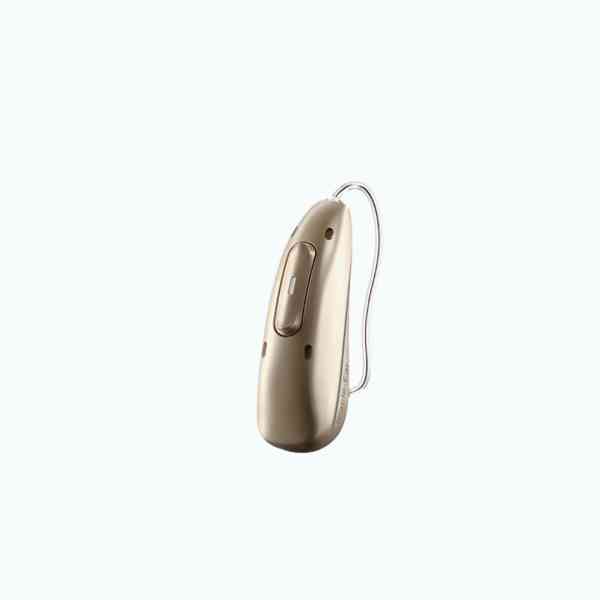
A RIC hearing aid (Receiver-in-Canal) is one of the most common and versatile types of hearing aids, designed to provide clear, natural sound in a discreet design. In a RIC device, the microphone and processor are housed in a small case that sits behind the ear, while the receiver (speaker) is placed inside the ear canal and connected by a thin wire. This design helps reduce feedback and improve sound quality, especially for high-frequency hearing loss.
Main parts of a RIC hearing aid include:
Key features of RIC hearing aids:
RIC hearing aids balance performance, comfort, and aesthetics, making them a popular choice among users.
Even with careful at-home maintenance, professional care is essential for receiver-in-canal (RIC) hearing aids. Hearing care professionals have specialized tools to safely remove stubborn wax and moisture from domes, receivers, and microphone ports—areas that are difficult to clean thoroughly at home. They also replace worn domes and filters, check the receiver wire for damage, and test the devices to make sure they are providing the correct amplification for your hearing needs.
As a rule, scheduling a professional check-up every six months is recommended. However, you may benefit from more frequent visits if you produce heavy earwax, sweat a lot, or live in a humid environment. These appointments also give you the chance to discuss any changes in your hearing and to fine-tune your devices for optimal comfort and performance.
Regular professional cleaning not only helps keep your RIC hearing aids working reliably but also extends their lifespan. By combining consistent at-home care with scheduled check-ups, you can ensure your devices continue to deliver clear, consistent sound in every listening situation.
How you store and handle your RIC hearing aids plays a key role in their performance and durability. Always remove your devices before showering, swimming, or spending time in saunas, since moisture can quickly damage the receiver and electronics. Apply hairspray, deodorant, or lotion before putting your hearing aids in place to prevent residue from settling on the domes or microphone openings.
When not in use, keep your RIC hearing aids in a protective case or drying kit. This reduces moisture build-up and helps prevent accidental drops. If your devices use disposable batteries, open the battery compartment overnight to allow ventilation. For rechargeable models, return them to the charging station as recommended by the manufacturer.
Avoid exposing your hearing aids to extreme heat, such as leaving them in a parked car in summer or setting them near a heater. If you travel often, consider carrying a portable drying kit to keep them safe from humidity and sudden temperature changes.
By following these storage and handling tips, you can preserve consistent sound quality, protect sensitive components like the receiver and wire, and extend the lifespan of your RIC hearing aids.
Never underestimate the importance of ear care, your hearing might depend on it.
Even with regular cleaning, receiver-in-canal (RIC) hearing aids can develop problems over time. Common signs of wear include muffled or distorted sound, high-pitched feedback, reduced volume, or devices that switch off unexpectedly.
If you notice these issues, start with a few quick checks. Make sure the battery is fresh or the device is fully charged. Remove the dome and inspect the wax filter—if it looks clogged, replace it. Use the cleaning brush to sweep away debris from the dome, receiver tip, and microphone openings. Check that the dome and receiver wire are securely attached and not cracked or discolored.
These small steps often restore normal performance. However, if problems persist, do not attempt home repairs. RIC components are delicate, and forcing parts can cause lasting damage. Instead, contact your hearing care professional. They can determine whether the issue is due to wax blockages, moisture, or an internal fault that requires repair or replacement.
By acting promptly when you spot early warning signs, you protect your hearing aids from further damage, ensure consistent sound quality, and extend their lifespan.
*Cleanings and in-office service are always free. Miracle-Ear® lifetime aftercare not included with hearing aids purchased utilizing some insurance benefits. See store for details.


 Need help with your hearing aids?

 Find your closest Miracle-Ear center

 Our licensed experts will help you with any questions you may have