If you're wearing battery-powered hearing aids for the first time, recycling batteries will likely be an addition to your routine. Fortunately, learning how to dispose of hearing aid batteries is fairly simple, and drop-off locations are often accessible and convenient. Keep in mind that batteries need to be replaced routinely, and their lifespan will vary. This depends on the size of the battery, the power level of your hearing aids, and whether or not you are using wireless Bluetooth features.
Here’s the average lifespan of various hearing aid batteries:
Because you are regularly replacing your hearing aid batteries, you may be tempted to throw the used button cells or zinc-air batteries into the trash. While that may be quick and easy, disposing of old hearing aid batteries in your trash can actually harm the environment.
The zinc-air batteries found in most hearing aids use air as an energy source and come in a variety of different sizes. Be mindful when disposing of these, as well as other hearing aid batteries. Zinc-air batteries contain low levels of mercury, which should never be tossed in with household waste. Once these batteries are incinerated or released into a landfill, the mercury can cause environmental harm, affecting air and water quality.
Bringing old hearing aid batteries to a location where they can be disposed of responsibly is a far better option, and some regions even have rules in place prohibiting improper battery disposal—be sure to check your local policies. Most municipalities have drop-off centers with recycling boxes for used batteries. Used batteries contain valuable metals that can be recycled, but they can also release harmful chemicals if not disposed of properly. The batteries will then be processed, and the toxic metals removed and sold for re-use in various industries. Here’s how to handle them safely:
Recycling hearing aid batteries is essential for both personal safety and environmental protection. Like all batteries, they are classed as special waste and should never be disposed of with household rubbish. Instead, they must be taken to designated collection points for proper recycling.
Expired or dead batteries can become inefficient or even hazardous if left unused, which is why safe disposal is so important. Recycling ensures that toxic substances are removed and treated correctly, preventing them from leaking into the environment. At the same time, the valuable metals inside the batteries can often be recovered and reused in other applications.
In short, recycling your hearing aid batteries isn’t just a safety precaution—it’s also the most environmentally responsible choice.
Battery performance and safety depend on how you use and store them. Follow these simple guidelines:
You should never throw hearing aid batteries into the household rubbish. The safest options are:
Recycling is important because hearing aid batteries contain metals and chemicals that can be harmful to the environment if they leak into landfills. By recycling, these materials are safely processed and, in many cases, reused.
Learn more about how your hearing works from certified experts.
In rare cases, hearing aid batteries may leak acid, which can burn the skin. If this happens:
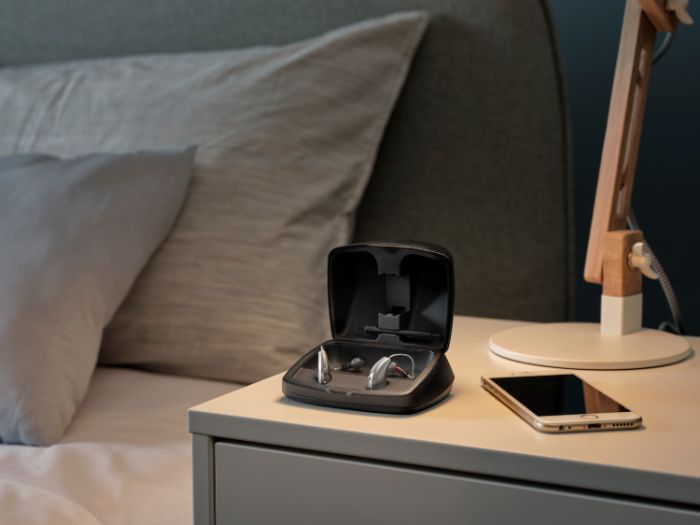
Rechargeable hearing aid options are an increasingly popular alternative to devices that require single-use zinc-air hearing aid batteries. Using lithium-ion technology, these hearing aids can be recharged over and over again, making them a reliable and environmentally-friendly option.
Rechargeable hearing aids are a good financial investment as well, eliminating the need to repurchase new batteries on a regular basis. Consider the average yearly costs of the four sizes of single-use batteries: size 10 may cost around $150 for a pair; size 312 around $80; size 13 around $50; and size 675 around $30 per year.
Next time you catch yourself tossing old hearing aid batteries into the trash at home, make a plan to recycle them locally instead. Better yet, talk to an expert about the advantages of rechargeable hearing aids and save yourself the trouble of ever having to buy batteries again.


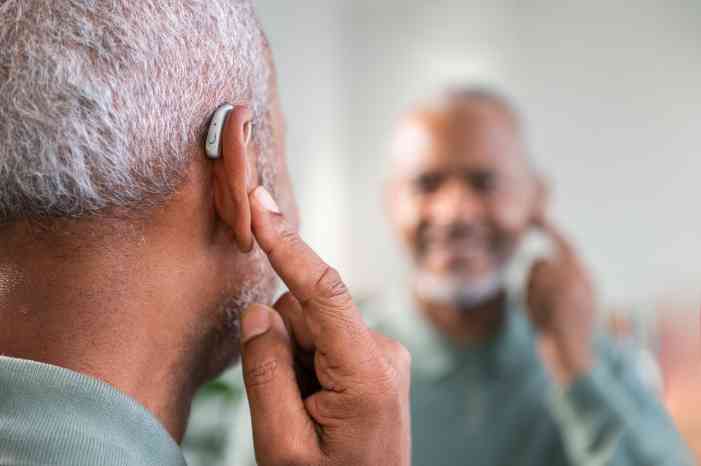
 Our licensed experts will help you with any questions you may have





 Find your closest Miracle-Ear center

.jpg/jcr:content/renditions/cq5dam.web.700.700.jpeg)
 Need help with your hearing aids?