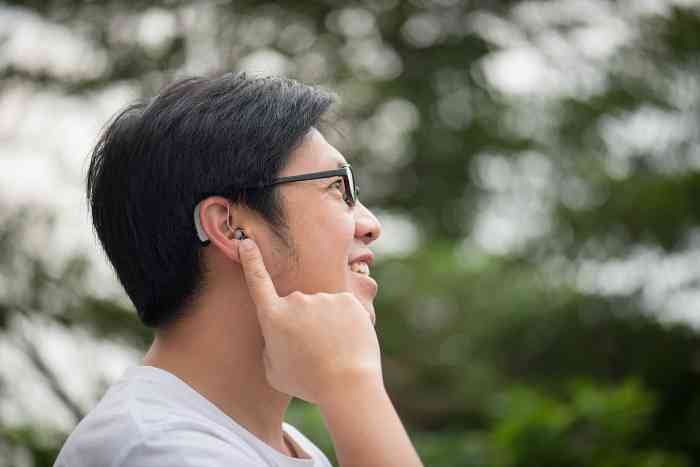
A man touching his ear

Modern hearing aids for young adults

Technology, style and empowerment

Hearing loss in young adults

Finding out you have hearing loss can be a hard pill to swallow, especially if you’re still young, but hearing loss doesn’t just affect the 50-plus crowd. Outside of age-related factors, you can experience hearing loss from physical trauma, extended exposure to loud volumes (like at concerts), sudden and high-impact noises (including firework explosions), health-related variables (such as diseases that can affect ear function), genetics, and ototoxic medications, among other things.

No matter the source or reason, young adults with hearing loss need and deserve thoughtful and effective treatment options, to ensure they can hear the beautiful, full range of sound for all the years to come. The best solution to guarantee that? Hearing aids.

Key Takeaways

  • Hearing loss as a young adult is difficult, but hearing aids can enhance your quality of life at any age.
  • Modern hearing aid technology has enabled the devices to become smaller, compact and more discreet. In-the-ear (ITE) and receiver-in-canal (RIC) hearing aids are nearly unnoticeable when worn.
  • Essential modern hearing aid features include digital sound processing, Bluetooth connectivity, rechargeable hearing aid batteries, directional microphones, mobile app integration, telehealth and remote adjustments.
  • While many young people would prefer high-tech features for their hearing aids, the best hearing aid is the one that suits your needs and lifestyle.
  • Miracle-Ear can help test for hearing loss and find the best hearing aid fit for you. Payment plans are also available.

How modern hearing aids work

How do modern hearing aids work? A plethora of different technologies are packed inside hearing aids and operate together to make them operate.

These include:

  • Microphone: Sound enters the hearing aid through an advanced microphone system.
  • Digital chip: The digital chip, also known as “the brain” of a hearing aid, analyzes and converts sound to deliver the optimal high-definition digital sound quality. The digital chip uses various processes simultaneously to create the best listening signal for each user. The goal is to create an audible and comfortable listening environment and minimize unwanted background noise.
  • Amplifier: The built-in amplifier analyzes and boosts the sound from the digital signal processor. This is where wanted sounds, such as music or a loved one’s voice, are enhanced to provide a more natural listening experience.
  • Receiver: The receiver (or speaker) sends the processed and enhanced sound into the ear canal. In many models, the adjustable earpiece is fully customizable to fit in the ear canal with complete comfort.
  • Battery compartment: Many hearing aid models are powered by zinc-air batteries. These batteries last approximately 3-20 days, depending on the battery size and how often your hearing aids are powered on. A lot of today’s modern hearing aids, however, are powered by rechargeable lithium-ion batteries. This built-in power cell means you don’t have to worry about changing batteries in your rechargeable hearing aids.
  • Rocker switch: The rocker or program switch controls a hearing aid’s settings. It can be used in many ways such as adjusting volume, changing settings or focusing the directional microphones. The rocker switch provides control for the user who wants it but the hearing aid can be set up to function on its own with complete automation. 
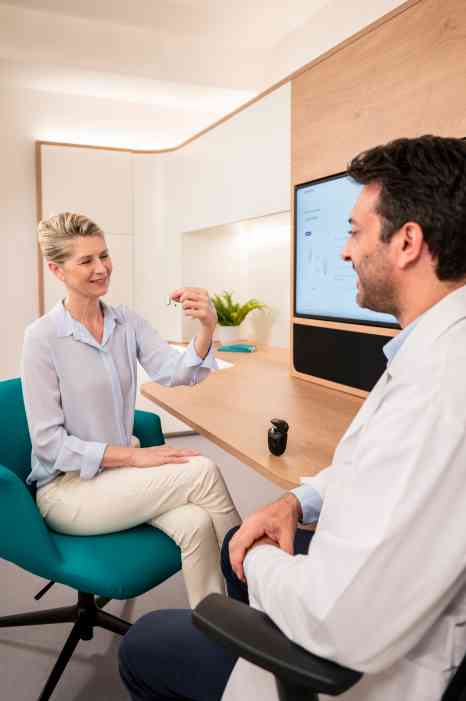
One of our hearing aid experts talking to two customers in a Miracle-Ear center

Commitment to excellence

Miracle-Ear is with you every step of the way. For more than 75 years, we've made it our mission to help people live their best lives with those they love through better hearing. You’ll be treated with the same high level of care and respect at any one of our 1,500 locations throughout the United States.

Evolution of hearing aids technology

What was once known as an “ear trumpet” in the early 17th century has since evolved to the modern hearing aids we know today. Over many years, scientists introduced analog technology including vacuum tubes (1920–1950s), transistors (1948) and microprocessors (1970s), up to the first glimpse of today’s fully-digital hearing aid in 1987. Over the past several decades, hearing aids have evolved from basic analog sound amplifiers to devices with advanced technology packed into tiny devices.

Today, modern hearing aids with digital interfaces are mainstream, turning sound waves into digital signals that offer users a crisper, exact replication of sounds in their environment. They’re also enabled with advanced hearing aid technology like Bluetooth and artificial intelligence (AI) capabilities. 

Small and discreet designs

As someone who’s still young, you may not want to draw attention to your hearing loss. But don’t worry—hearing aids aren’t the large eyesores you always saw behind your grandpa’s ears anymore. The aforementioned transition to digital technology has made it easier to create small, compact and discreet hearing aids.

Types of small hearing aids such as in-the-canal (ITC), in-the-ear (ITE) and even receiver-in-canal (RIC) can be nearly unnoticeable when worn. For instance, the Miracle-EarMINI™ hearing aids, available in ITE and RIC models, are designed to be discreet without sacrificing any essential, high-tech features. If you’re looking for discreet hearing aids, you’ll find plenty of options on the market. 

Smart and AI-powered features

Like our phones, TVs, watches and more, hearing aids have started implementing smart and AI-powered features. Mostly, smart technology and AI in hearing aids help distinguish voices from background noise and adapt to your surroundings. Smart tech also enables Bluetooth and app connectivity. While other possible uses for AI are being tossed around, these innovative features focus on automatic personalization, ease of use and adjustments to enhance the user’s listening experience. 

hearing aid charger on nightstand

Find the right hearing aid for you

Miracle-Ear offers a number of variety and style. Visit our centers and find the right solution for you.

Essentials of modern hearing aids

As new tech continues to arise, the expectations of hearing aids change. What are considered essentials of modern hearing aids today—especially for younger users—often include advanced features. Learn more about some key advanced features in modern hearing aids, below. 

Since the introduction of digital hearing aids in the late 1980s, digital sound processing has become more favorable in hearing aids. Analog hearing aids, compared to their digital counterparts, process electronic signals differently and tend to struggle with distinguishing voices from background noise. Thus, people tend to prefer digital sound processing. 

Bluetooth capability for hearing aids means you can connect your hearing aids to stream sound directly from your phone, laptop, TV or other Bluetooth-enabled devices. Take a phone call, watch a show or listen to music, streaming the sound from your device right to your hearing aids.

While less high tech than most modern features, many hearing aid users still use disposable batteries. Not all hearing aids are rechargeable, but many models, such as Miracle-EarENERGY™, use a rechargeable lithium-ion battery to operate the device. This battery can last up to 24 hours, and you can plug it in with a charger overnight, or at any time, to replenish it.

Most Miracle-Ear hearing solutions use directional microphones, which focus on conversations and significantly improve speech understanding in the presence of noise. 

When paired with AI technology, directional microphones can also help improve noise reduction and feedback suppression. Given that analog technology struggled to provide this experience, it has become a highlight for modern hearing aid tech.

Today, it seems there’s an app for everything, and hearing aids are no exception. Miracle-Ear has its own app, which means anyone with compatible hearing aids (including Miracle-EarBLISS™, Miracle-EarENERGY™ RIC, and the Miracle-Ear GENIUS™ X lines) can stay connected. Through the app, you can raise or lower your hearing aid volume, adjust settings based on your environment and even locate your hearing aids if you misplace them.

Comfortable and stylish hearing aids

What do modern hearing aids look like? While that depends on the kind you get, there are certainly comfortable and stylish hearing aids that will suit your needs. You can compare the styles and types—ITE, RIC, BTE—and see which appeals most to you. At a Miracle-Ear location, you can see them in person.

Chat with a hearing aid specialist about what you prefer in terms of style and capabilities, and they can help guide you to your options. You can even get your hearing aid fit to you, so you have the most comfortable wear possible

Find your closest Miracle-Ear center

Your store

Best hearing aids for young adults

What would the best hearing aids for young adults be? Likely, the ones that are just as tech-savvy as these individuals are.


Looking to listen to music, adjust settings or chat on the phone without skipping a beat? There are hearing aids that enable all that and more. For example, Miracle-EarSPARK™ RIC R has desirable features like AI tech, premium streaming and strong Bluetooth range. If ease of use is what you value, such tech will help ensure you get it.


But above all, the best hearing aid is the one that fits your lifestyle and needs. Are you an avid traveler or beachgoer? Ensure you have a waterproof model. Are you a video game whiz? Take a look at what type most easily connects to your gaming setup. What matters most is that your hearing aids improve your quality of life.


Whether or not insurance can cover hearing aids is incredibly nuanced. Most private insurances do not cover hearing aids, but certain factors including age, location or health conditions could potentially make a difference in getting your hearing aids covered. Talk with your insurance provider to learn what your options are, which could include using your Flexible Spending Account (FSA) or Health Savings Account (HSA) to pay for hearing aids.

Hearing aid assistance for young adults

Many people need an extra hand when it comes to addressing their hearing loss. Hearing aid assistance for young adults is no different. Everyone from new to experienced users may need tips on finding the right hearing aid type, adjusting their settings, cleaning the device or troubleshooting operational issues.


In your time of need, look no further than your nearest Miracle-Ear location. And if it’s financial assistance you’re in need of, rest assured that Miracle-Ear offers payment plans for hearing aid purchases. If you have more dire financial restraints, the Miracle-Ear Foundation goes the extra mile and gifts hearing aids to those in need. See if you’re eligible.


Miracle-Ear’s hearing care providers are experts in helping people hear better—no matter your age or where you’re at in your hearing loss journey.

Even if you don’t know where to start with your hearing loss, they can get you on the right path. At your nearest Miracle-Ear location, a hearing care professional (HCP) can conduct a free hearing test, chat with you about your options based on the results, discuss your preferences and fit you for a hearing aid.

And once you’ve chosen or purchased a hearing aid, they can help you with routine tune-ups and teach you how to clean your device

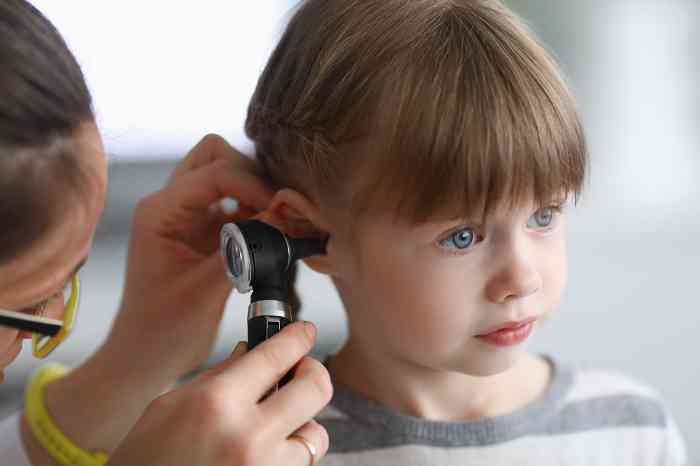
An ear examination of a young girl

Start hearing

With personalized professional guidance and a well-considered plan of intervention, it is possible to minimize the impact of mixed hearing loss on your day-to-day life. Find a Miracle-Ear location near you today to discover your hearing support solutions.

FAQs about modern hearing aids

Take a look at the common questions young adults with hearing loss might ask. 

Hearing loss is not restricted to age. It can affect anyone, and hearing aids offer an effective way to counter its challenges. By reducing issues like social isolation and cognitive decline, hearing aids can significantly enhance your quality of life. There’s no such thing as being “too young” to make a positive change!

The typical lifespan of hearing aids is three to seven years, but where your hearing aids fall in that range depends on a few different factors:

  • Hearing aid material: While hearing aids are durable, the materials they are built out of—plastics, silicone, metal, etc.—can still deteriorate with time. However, most devices are covered in a plastic coating to slow the process.
  • Batteries: The battery lifespan for rechargeable hearing aids will diminish the longer you own your device, but the lithium-ion batteries used within the device will last four to five years. For hearing aids with disposable batteries, batteries will not play a role in the aid’s overall lifespan. Of course, having non-rechargeable hearing aids means you have to replace the entire battery every time they run out.
  • Style: Some styles of hearing aids will last longer than others. For example, BTE hearing aids have a lifespan of five to six years, while ITE ones last about four to five years. Because ITE hearing aids sit in the ear canal, the moisture in that area can somewhat speed up the degradation process.
  • Your body: Moisture from the body, especially in areas like the ear canal mentioned previously, can lead to the breakdown of hearing aid material. If you tend to have oily skin, produce more earwax or sweat profusely, a hearing care professional can share cleaning techniques that will mitigate any negative effects for your hearing aids.
  • Technology: We all know technology moves at lightspeed these days. As hearing aid tech evolves, you might find that certain features fit your needs better or your old processors pale in comparison to the new ones. Because of this, you might choose to upgrade.
  • Maintenance: Upkeep is key. As mentioned, regular cleaning can prevent degradation of your hearing aids and therefore maximize their lifespan. Certain parts, including wax guards, tubing and dome earpieces, should be replaced regularly to ensure your hearing aids are operating to the best of their ability.

With Miracle-Ear’s lifetime aftercare services, you can better monitor and upkeep your hearing devices. Your HCP will happily conduct routine maintenance checks, answer your questions and suggest new options when the time is right.

Hearing aids cannot restore your hearing, but they can amplify what hearing ability you currently have. If someone has profound hearing loss, they might still benefit from hearing aids. However, how much hearing aids help depends on the severity and source of your hearing loss. People with inner ear damage likely wouldn’t notice much improvement, if any. A cochlear implant, a surgically implanted electronic device that directly stimulates the auditory nerve, might better suit those with severe hearing loss. 

Age-related hearing loss that occurs in both ears, known as presbycusis, is the most common cause of hearing loss in the world. It affects two out of three Americans aged 70 or older1.

Because of this, the average age of first-time hearing aid users skews older, but being younger than the average user should not discourage anyone from using hearing aids if they need them. 

Hearing aids are recommended for levels of hearing loss from mild to severe. Mild hearing loss means you cannot hear sounds 25 decibels or below, which means you might struggle to hear soft sounds like whispers or have trouble keeping up with conversations in noisy environments.

The five-minute rule is a trick used to increase the longevity of hearing aid batteries. If you purchase a disposable hearing aid battery, you’ll notice a little air-tight, plastic sticker covering the battery.

These batteries contain zinc, which requires oxygen to activate it and therefore power the battery. It’s said that if you peel off the plastic sticker and leave the battery to air out for five minutes before inserting it, you can increase your hearing aid battery’s lifespan by about three days2.

References

1. Cheslock M, De Jesus O. Presbycusis. [Updated 2023 Aug 23]. In: StatPearls [Internet]. Treasure Island (FL): StatPearls Publishing; 2025 Jan-. Available from: https://www.ncbi.nlm.nih.gov/books/NBK559220/

2. “5-Minute Rule Extends Battery Life | the Asha Leader Archive.” AHSAWire, ASHA Leader, Aug. 2015, leader.pubs.asha.org/doi/10.1044/leader.NIB3.20082015.11.

Get support and advice

Book an appointment online

Book now

Take a free online hearing test

Start test

Find a hearing aid center near you

Search now