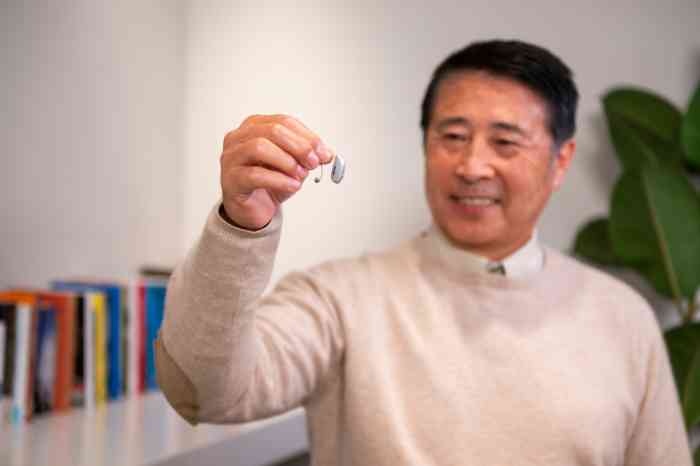
Without proper care, hearing aids can be affected by earwax buildup, moisture, or everyday wear and tear, factors that may reduce sound quality or even lead to costly repairs.
The good news is that behind-the-ear (BTE) hearing aids are relatively easy to maintain if you follow a consistent routine. By setting aside just a few minutes each day, week, and month to clean and inspect your devices, you can keep them performing their best and extend their lifespan.
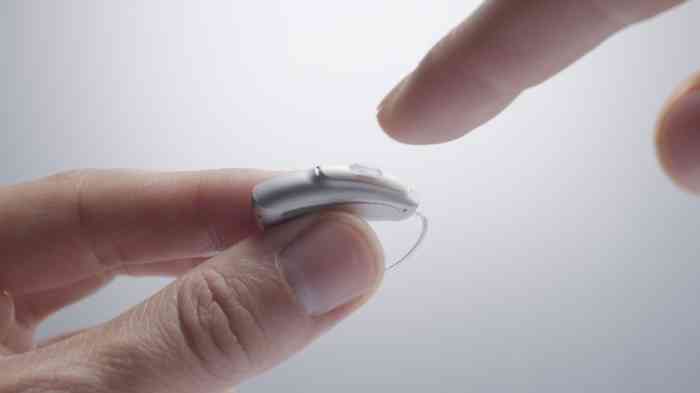
Behind-the-ear (BTE) hearing aids are one of the most common and versatile solutions for people with hearing loss. As the name suggests, the main body of the device rests comfortably behind the ear, while a thin tube or a custom ear mold then directs amplified sound into the ear canal. BTEs are made up of several key parts:
BTE models are especially popular because they deliver strong amplification suitable for mild to profound hearing loss, while also offering modern features that improve everyday listening. Many BTEs offer Bluetooth connectivity for streaming calls, music, and TV audio directly to the ears, rechargeable batteries for convenience, and directional microphones that help users focus on conversations in noisy places. Some models are also compatible with telecoils, apps, or remote controls, giving wearers more flexibility and control over their hearing experience.
Before diving into maintenance, it’s helpful to know which parts of your BTE hearing aid need regular attention. Two components that often require replacement over time are filters and tubing. Keeping these parts in good condition ensures your hearing aid continues to perform at its best.
The filters in BTE hearing aids prevent earwax and debris from entering the device and affecting its performance. Here’s how to replace them:
Never underestimate the importance of ear care, your hearing might depend on it.
The tubing connects the hearing aid to the earmold and can wear out over time. Here’s how to change it:
If you’d rather not do it yourself – or have questions on the process—take advantage of the unlimited care that comes with most Miracle-Ear purchases*. You can schedule appointments anytime for filter or tubing replacements or other maintenance needs.

Even with diligent at-home care, professional maintenance is essential for keeping BTE hearing aids in optimal condition. With Miracle-Ear’s unlimited care, you can schedule appointments whenever you need expert support—whether it’s for a routine cleaning, inspection, or small adjustment.
During a professional cleaning, your hearing care professional can:
Many providers recommend scheduling a check-up every six months, although this interval can vary depending on factors such as usage, lifestyle, earwax production, and exposure to moisture and humidity. These appointments also provide an opportunity to ask questions, discuss changes in your hearing, and explore updates or adjustments to your devices.
Professional care ensures your hearing aids continue to perform optimally, extend their lifespan, and prevent minor issues from developing into costly repairs. With unlimited care, getting this professional support is easy, convenient, and flexible.
Proper storage and handling are just as important as cleaning when it comes to hearing aid maintenance. Always remove your BTE hearing aids before showering, swimming, or using a sauna, as water can permanently damage the delicate electronics. The same goes for hairspray, perfumes, or lotions—apply these products first, then insert your devices.
When not in use:
By handling your hearing aids with care and storing them properly, you prevent unnecessary wear and ensure consistent sound quality. These small habits may seem simple, but they make a big difference in preserving the performance and longevity of your devices.
Even with regular maintenance, issues can arise. Common signs that something is wrong include: muffled or distorted sound, sudden feedback or whistling, or unexpected shutdowns.
Start with basic troubleshooting at home:
These quick fixes often solve minor issues at home. If the problem persists, consult your hearing care professional. They can identify whether the issue is related to a blocked component, worn-out tubing, or a deeper electronic fault. With Miracle-Ear’s unlimited care, you can get professional help anytime for inspections, repairs, or adjustments, giving you peace of mind and reliable support for your hearing.
Maintaining your BTE hearing aids doesn’t have to feel overwhelming. By following a simple routine— daily cleaning, weekly inspections, monthly filter and tubing replacements, and professional check-ups— you can protect your investment and ensure your devices always deliver clear, crisp sound.
These habits prevent common issues like muffled sound or feedback and extend the overall life of your hearing aids. Think of it as routine care that keeps you connected to the world around you. If you ever feel unsure about a maintenance step, don’t hesitate to ask your hearing care professional for guidance—they can provide hands-on demonstrations and personalized advice.



 Learn how tomorrow's hearing aids can help you today


 Find your closest Miracle-Ear center


 Need help with your hearing aids?