Looking after your in-the-ear (ITE) hearing aids is simpler than many people think. With a regular routine that includes daily cleaning, weekly inspections, monthly filter changes, and occasional professional servicing, you can keep your devices performing at their best. These small habits help you avoid common problems, prolong the lifespan of your hearing aids, and ensure consistent, clear sound in every situation. Proper care isn’t just about protecting your investment; it’s about staying connected to the world around you. And whenever you need extra support, your hearing care professional can provide tailored advice and hands-on guidance. Read more in our article.
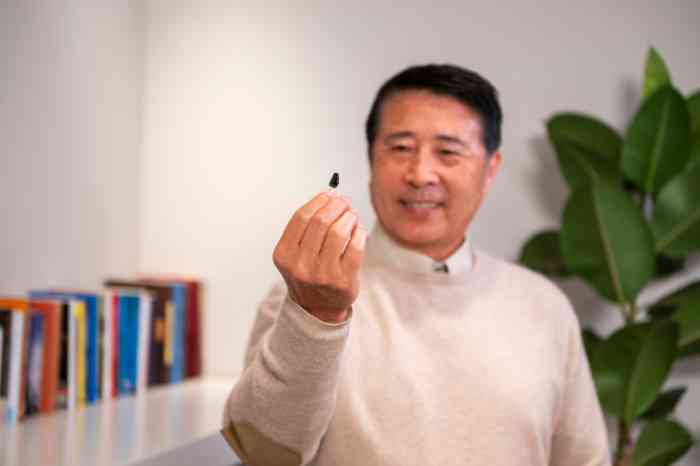
An ITE hearing aid (in-the-ear) is a custom device designed to fit directly into the outer portion of the ear. Unlike behind-the-ear (BTE) or receiver-in-canal (RIC) models, all the components of an ITE hearing aid are housed inside a single shell, which is molded to match the shape of the user’s ear. This makes the device discreet, comfortable, and easy to handle.
The main parts of an ITE hearing aid are:
Because everything is contained within the ear, there are no external tubes or wires.
Today’s ITE hearing aids come with advanced features. Many offer Bluetooth streaming for calls and music, telecoil compatibility for use in public venues, and directional microphones to improve speech understanding in noisy environments. They may also include noise reduction, feedback cancellation, and adaptive sound processing. Rechargeable ITE options are increasingly available, reducing the need for disposable batteries.
ITE hearing aids are suitable for mild to severe hearing loss, combining custom fit with advanced technology in a small, user-friendly design.
To clean the receiver on an ITE hearing aid, you should focus on the opening where sound exits into the ear canal, as this area often collects earwax and debris. Here’s a safe routine:
If the receiver still seems blocked after cleaning, the wax filter may need replacing, or the device may require professional service.
Never underestimate the importance of ear care, your hearing might depend on it.
Regular care is key to keeping ITE hearing aids performing at their best. Two areas need frequent attention: the wax filter, which protects the receiver, and the vents or sound channels, which allow airflow and clear sound.
In-the-ear (ITE) hearing aids use small wax filters to protect the receiver from earwax, moisture, and debris. Regular replacement is vital to maintain clear sound and prevent damage, as clogged filters can cause weak or distorted output.
Changing the filter is quick: with the provided tool, remove the old one and insert a new filter into the receiver opening. Most users replace it every few weeks, depending on earwax build-up. This simple routine helps ensure optimal performance and extends the life of the hearing aid.
The filter in an ITE hearing aid prevents earwax and debris from reaching the receiver. Replacing it ensures clear sound and protects the device.
While ITE hearing aids don’t have long external tubing like BTE models, some may have small sound channels or vents that require cleaning.
If you’d rather not do it yourself – or have questions on the process—take advantage of the unlimited care that comes with most Miracle-Ear purchases*. You can schedule appointments anytime for filter replacements, vent cleaning, or other maintenance needs.

Even with regular at-home care, professional support is vital for ITE hearing aids. Hearing care professionals can use specialized tools to safely remove stubborn wax and debris from receivers, vents, and microphone ports. They also check filters, perform small adjustments, and test the hearing aids to confirm they deliver the right amplification. In general, a check-up every six months is recommended, but more frequent visits may be useful if you experience heavy earwax, sweat often, or live in a humid climate. These sessions also allow you to discuss changes in your hearing and fine-tune your devices. With Miracle-Ear’s unlimited care, you can schedule appointments whenever you need expert support—whether it’s for routine cleaning, inspection, or a small adjustment.
How you store and handle your hearing aids affects both their performance and durability.
Always remove ITE devices before showering, swimming, or spending time in saunas, as moisture is highly damaging to electronics. Apply hairspray, deodorant, or lotion before putting in your hearing aids to prevent residue from building up. When not in use, place them in a protective case or a drying kit to reduce moisture and prevent accidental drops. If you use batteries, leave the compartment open at night; if your aids are rechargeable, return them to the charging station as advised by the manufacturer. Keep devices away from extreme heat, such as a hot car or radiator, and use a portable drying kit when travelling.
Good storage habits ensure steady sound quality and help your devices last longer.
Even with routine maintenance, issues can still arise. Common warning signs include weak or muffled sound, high-pitched feedback, or unexpected shut-offs.
First, confirm that the battery is working or that the device is fully charged. Next, check the wax filter—if it looks blocked, replace it. Brush away debris from ports and vents, making sure openings are clear.
These simple steps often solve everyday problems. If the issue continues, avoid trying to fix it yourself and contact your local Miracle-Ear. Your hearing care professional can identify whether the issue is related to blockages, moisture, or an electronic fault. Acting quickly ensures your devices remain reliable and prevents further damage.
*FREE Unlimited Care. Cleanings and in-office service are always free. Miracle-Ear® lifetime aftercare not included with hearing aids purchased utilizing some insurance benefits. See store for details.



 Meet with a licensed expert
 Find an expert at any of our 1,600+ locations nationwide


 Need help with your hearing aids?