
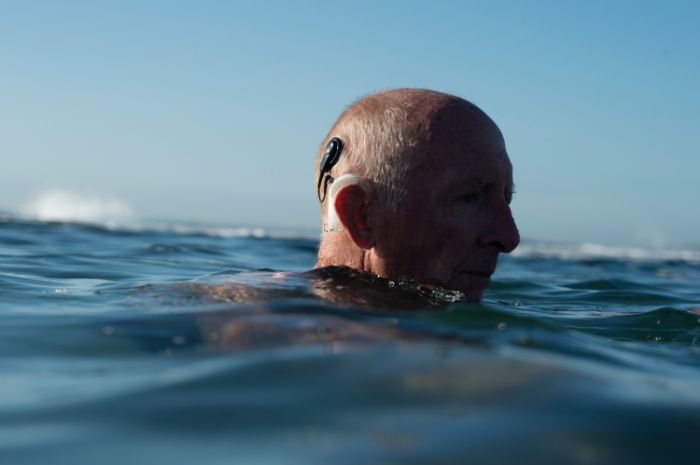
Swimming is one of the most enjoyable outdoor and indoor activities, but for people who wear hearing aids, it comes with extra considerations. While most modern hearing aids are designed to be water-resistant, meaning they can handle sweat, rain, or an accidental splash, they are not built for full submersion. Prolonged exposure to water can cause serious damage to the delicate technology inside the device. However, that doesn’t mean individuals with hearing loss have to miss out on time in the water. With the right precautions, accessories, and planning, it is possible to enjoy swimming while keeping hearing aids safe.
Join the millions of Americans who have trusted Miracle-Ear for hearing care that’s tailored to their needs.
You should not swim while wearing hearing aids. Most devices today are designed to resist small amounts of moisture, such as sweat or rain, but they are not built to withstand full immersion in water. Water can enter the device, causing permanent damage to the delicate electronic components. Swimming in pools, lakes, and the ocean can present additional risks because saltwater and chlorinated water can leave mineral deposits, leading to corrosion and malfunction. Even hearing aids with high water-resistance ratings are not intended for swimming.
If you want to enjoy water activities, it is best to remove your devices beforehand and store them safely in a protective case. After swimming, ensure your ears are dry before reinserting the aids. Protecting your aids from water helps maintain their performance and longevity.
For those who want to hear while swimming, waterproof accessories or specialized devices may be available, but they are different from standard hearing aids.
You cannot swim while wearing standard hearing aids, but you can take steps to protect them while enjoying water activities:
We offer solutions that transform hearing, from nearly invisible, comfortable designs to robust AI technology.
A small number of waterproof hearing aids are now available, designed to tolerate short periods of submersion in shallow water. These models offer greater durability for active lifestyles and can withstand exposure to fresh water, pool water, or seawater to a limited depth and duration. However, they are not intended for extended swimming sessions or deep-water activities, and their use still comes with restrictions.
Most hearing aids currently on the market are water-resistant rather than waterproof. This means they can cope with everyday moisture such as sweat, rain, or humidity, but they are not built for full immersion. Swimming pools, hot tubs, and the sea expose devices to water pressure and chemicals that can cause lasting damage.
For individuals who want added protection around water, accessories such as hearing aid sleeves or covers can provide a barrier against splashes and humidity. While these do not make devices safe to wear while swimming, they help reduce incidental moisture exposure. The safest approach remains to remove hearing aids before entering the water and store them in a waterproof case. In addition, custom swim plugs can protect the ears themselves, while drying kits or dehumidifiers are valuable tools for maintaining devices if moisture exposure occurs.
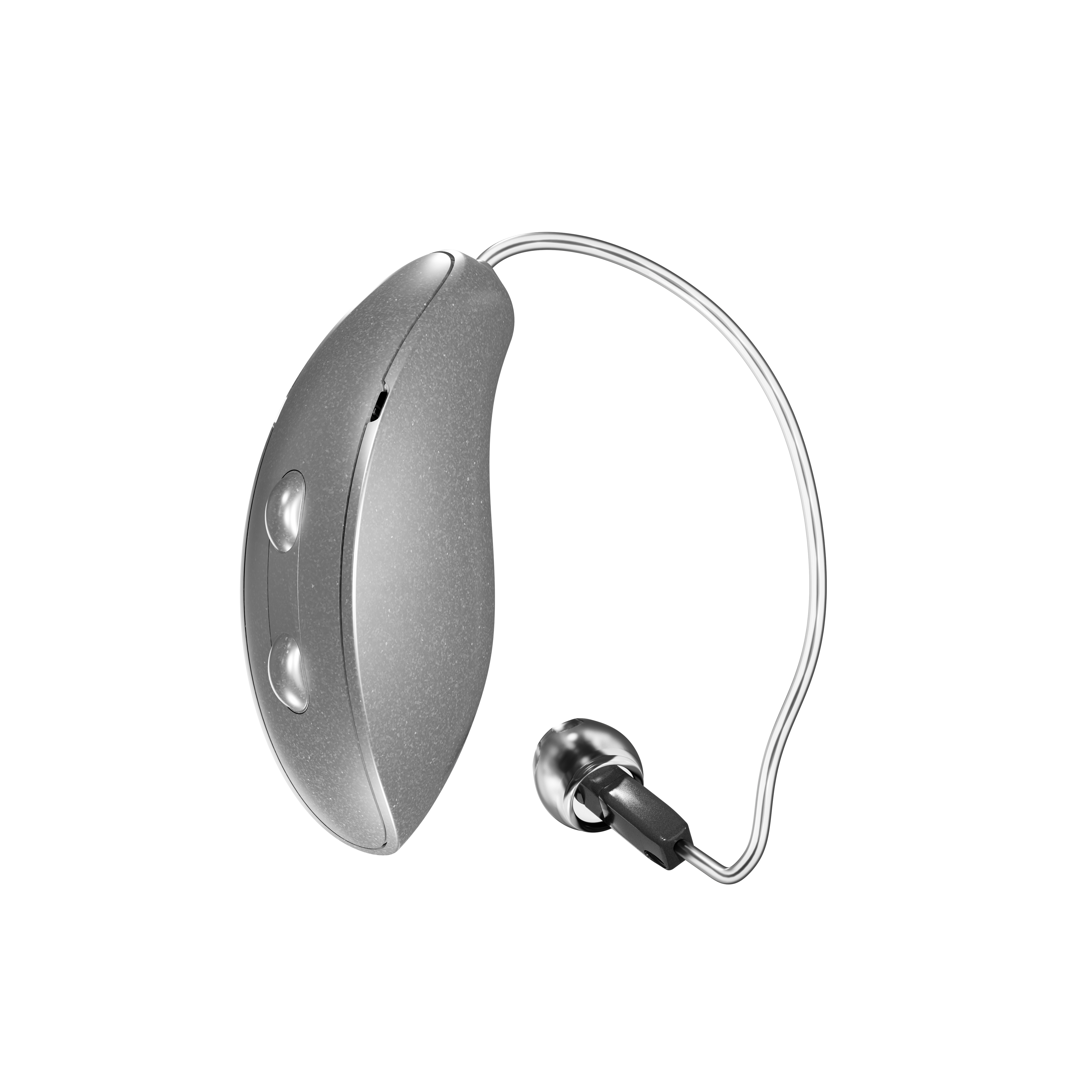
While standard hearing aids aren’t built for swimming or high-impact water sports, you don’t have to give up an active lifestyle. Miracle-EarBLISS™ hearing aids offer advanced waterproofing* that can safeguard your devices from sweat, rain, and accidental splashes. With features like long battery life and Bluetooth streaming, BLISS™ keeps you connected at all times, even around water.
Standard hearing aids are not fully waterproof. Even models with water-resistant ratings are designed for short-term or incidental exposure, not for short-term or incidental exposure, not for extended exposure or swimming. Pool chemicals and saltwater can still damage sensitive components, so additional protection is recommended.
Some options to help safeguard your hearing aids include:
Together, these solutions provide different levels of protection, ranging from simple splash resistance to limited submersion. To ensure safety and optimal performance, always check your device specifications and consult your hearing care professional before relying on protective accessories, especially when planning to use them in chlorinated or saltwater environments.
Never underestimate the importance of ear care, your hearing might depend on it.
Most hearing aids today are water-resistant, but not fully waterproof. Many models, including Miracle-EarBLISS™ hearing aids, carry an IP68 rating, which means they can withstand dust and brief exposure to water, such as light rain, sweat, or accidental splashes. This makes them suitable for everyday activities where incidental contact with moisture is likely. However, IP68 does not mean the devices are safe for swimming, showering, or prolonged immersion in water.
For added protection, some devices offer waterproof sleeves, pouches, or specialized accessory kits. These create an additional barrier against moisture, providing extra peace of mind during water-based activities. Even so, most hearing care professionals recommend removing hearing aids before swimming or showering unless using a certified waterproof accessory.
Moisture damage is a leading cause of hearing aid repair, so it’s important to take steps to protect your devices during swimming or water-based activities.
Kids who wear hearing aids can enjoy swimming and water-based activities safely by following the same steps outlined above for keeping hearing aids dry. Be sure to store them with a trusted adult so they don’t get lost or damaged.
Retention cords and kid-friendly accessories, including hearing aid sleeves, can also help add peace of mind during play. For children who love water activities, ask your hearing care professional about waterproof options.
One of the best ways to care for your ears and prevent hearing loss is to get them properly examined by a hearing care professional. Find your nearest Miracle-Ear store to get started on your journey to better hearing.
While modern hearing devices are more resistant to water than ever, they aren’t built for prolonged underwater use. Certain water sports and activities carry risks that protective covers alone can’t address.
High-impact activities such as wakeboarding, kite surfing, or water skiing can easily dislodge hearing aids. Even if your device is water-resistant or you use protective covers, participating in water sports makes it difficult to guarantee the safety of your hearing aids.
Despite these limitations, ongoing advancements in water-resistant and waterproof hearing technology offer hope. While standard hearing aids are not yet designed for safe use in high-impact or underwater sports, future solutions may make it safer to enjoy these activities without compromising ear health or safety.
If your hearing aid gets wet, acting quickly can make the difference between saving it and needing costly repairs. Follow these steps:
This prevents the electrical current from flowing through wet circuits, reducing the risk of short-circuiting.
While standard hearing aids aren’t built for swimming or high-impact water sports, you don’t have to give up an active lifestyle. Miracle-EarBLISS™ hearing aids offer advanced waterproofing* that can safeguard your devices from sweat, rain, and accidental splashes. With features like long battery life and Bluetooth streaming, BLISS™ keeps you connected at all times, even around water.



 Learn about prevention in our centers


 Find an expert at any of our 1,600+ locations nationwide

 Adaptive Sound for Exceptional Hearing



 Discover how to help a loved one with hearing loss








.jpg.jpg/jcr:content/renditions/original)
.jpg(1).jpg/jcr:content/renditions/original)
.jpg.jpg/jcr:content/renditions/original)
.jpg.jpg/jcr:content/renditions/original)
.jpg.jpg/jcr:content/renditions/original)