

Acoustic trauma occurs when the delicate structures of the inner ear are injured by high sound levels — whether from a single explosive blast or years of industrial noise. The damage is often invisible, irreversible, and entirely preventable. Understanding how it happens is the first step toward protecting your hearing.
Acoustic trauma refers to damage in the inner ear caused by exposure to loud sounds. It could be as abrupt as a sudden loud bang or stem from years of enduring noisy environments. This acoustic injury, a significant contributor to hearing loss, disrupts how we perceive sound and can lead to lasting effects, such as tinnitus or difficulty understanding speech. It’s a powerful reminder that we need to protect our hearing before it’s too late.
One of the best ways to care for your ears and prevent hearing loss is to get them properly examined by a hearing care professional. Find your nearest Miracle-Ear store to get started on your journey to better hearing.
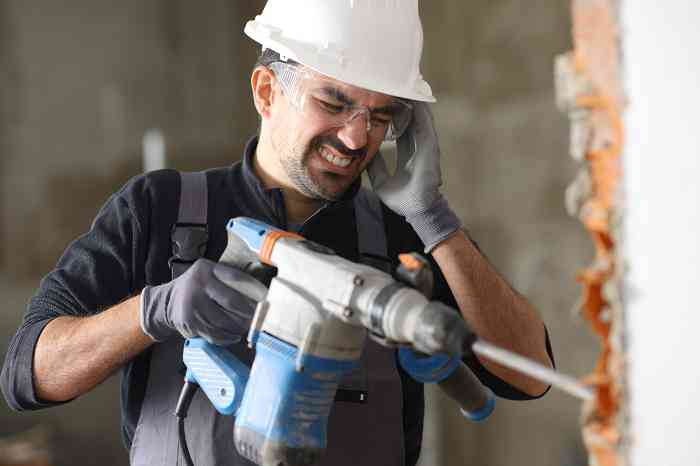
Have you ever experienced a sore ear from loud noises? Or perhaps you’ve wondered why your ear hurts after loud noise exposure or how ear damage from loud noise even happens? These scenarios often relate to acoustic trauma, a condition caused by dangerously loud sounds or overexposure to very noisy environments. Here’s a closer look at some common culprits:
Acoustic trauma can sneak up on you, with symptoms ranging from barely noticeable to severe, depending on how loud the noise was and how long you were exposed. Be on the lookout for these common signs:
Symptoms of ear damage from loud noise may appear immediately or develop gradually, emphasizing why it’s so important to catch them early.
Diagnosing acoustic trauma starts with a visit to a hearing care professional. They will assess your exposure to loud noises and conduct hearing tests to evaluate your hearing health. The sooner you take action, the better your chances for effective treatment.
Acoustic shock and acoustic trauma might sound similar, but they’re very different. Acoustic shock happens when sudden, moderately loud noises (usually under 120 dB) catch you off guard. Symptoms may include ringing in your ears, headaches, anxiety or throat discomfort—but no actual damage occurs to the inner ear.
Acoustic trauma is the result of dangerously loud sounds that exceed the ear’s safe limits. This can cause real harm to the cochlea (inner ear), often leading to permanent hearing loss. Understanding and recognizing these differences is key to protecting your hearing health.
Experiencing acoustic trauma will lead to questions about recovery: How long will ears hurt after loud noises? Does acoustic trauma go away? Is acoustic trauma permanent? The answers depend on the severity of the damage. For some, symptoms such as muffled hearing, tinnitus, or ear fullness may resolve within a few hours or days. However, if the tiny hair cells in your ear are damaged, they can’t grow back, which can lead to permanent hearing loss.
How long does acoustic trauma last? It depends. For minor, temporary damage, symptoms may improve within 24 to 72 hours. Acoustic trauma, however, often causes permanent hearing damage. Staying in contact with your hearing care professional (HCP) and using tools like hearing aids can help manage the effects of trauma, offering some improvement to your quality of life.
Currently, there is no definitive acoustic trauma cure, but acting quickly is key. Consult a medical professional if you have any doubts or concerns. Early treatments like anti-inflammatory medications may help address inner ear issues if started within 24 to 48 hours, and oxygen therapy can aid healing by improving oxygen supply to ear tissues.3 Be sure to rest your ears and avoid loud noises to support recovery.
For long-term solutions, hearing aids can help improve sound clarity and manage tinnitus. New research into treatments like gene therapy shows promise for future hearing regeneration.4
Janet's hearing journey is unique—just like her needs as a singer. With help from Miracle-Ear’s Kim Johnson, she found hearing aids and settings that helped her hear clearly again.
For military personnel, the roar of duty—from training exercises to combat zones—takes a toll. This constant exposure to loud noises puts them at high risk for acoustic trauma and fatigue. It often starts with trouble hearing conversations in a crowded room, tinnitus, and a general decline in auditory awareness. For veterans experiencing these symptoms, exploring hearing loss treatment options, including hearing aids, can be a crucial step.
Acoustic trauma is a serious reminder of how much noise can affect our hearing. But you can protect yourself with simple steps: use appropriate ear protection, avoid excessively loud noises as much as possible, and get regular checkups. If you notice any changes in your hearing, don’t ignore them—reach out to your HCP. These actions can make a huge difference in preserving your hearing for years to come.
1. Ghazaryan, Varduhi, et al. “Acute Acoustic Trauma.” StatPearls, StatPearls Publishing, 2025, https://www.ncbi.nlm.nih.gov/books/NBK609092/.
2. Flockerzi, Veronika, et al. “Thunder and Lightning—A Report on Firework-Associated Acoustic Trauma at New Year 2021/2022.” PMC, 2023, https://pmc.ncbi.nlm.nih.gov/articles/PMC9969936/.
3. Bayoumy, A. B., et al. “It’s All About Timing, Early Treatment with Hyperbaric Oxygen Therapy and Corticosteroids Is Essential in Acute Acoustic Trauma.” Journal of Otology, vol. 16, no. 4, 2021, pp. 237–241, https://pmc.ncbi.nlm.nih.gov/articles/PMC8438628/.
4. “Engineering Olivocochlear Inhibition to Reduce Acoustic Trauma.” Molecular Therapy Methods & Clinical Development, 2023, https://www.cell.com/molecular-therapy-family/advances/fulltext/S2329-0501(23)00021-9.


 Our licensed experts will help you with any questions you may have
 Find your closest Miracle-Ear center