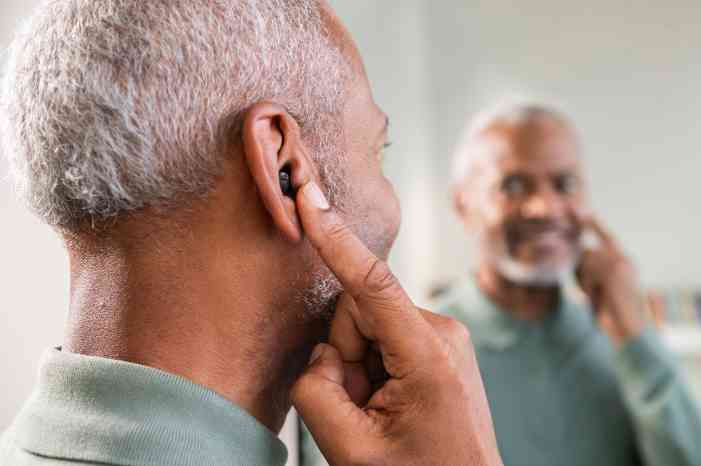
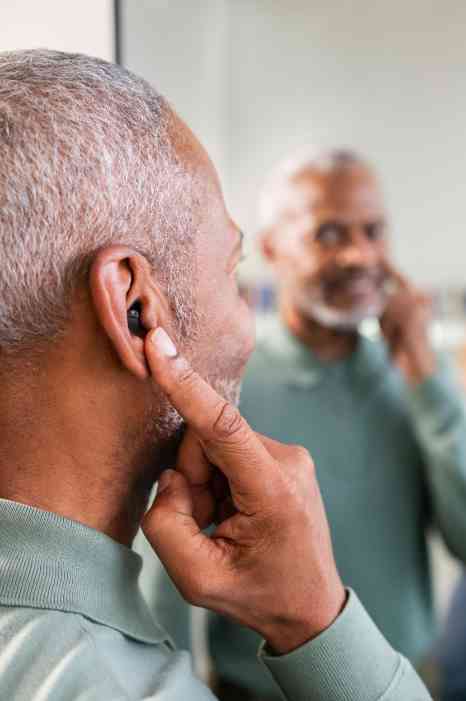
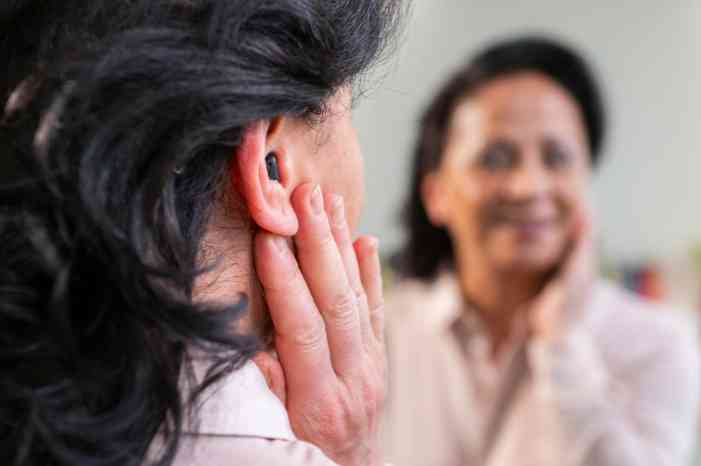
Man wearing ITE hearing aid

Wearing hearing aids for the first time

Wearing Hearing Aids for the First Time

For many individuals, the idea of using hearing aids for the first time can stir a range of feelings—from curiosity and hope, to nervousness about the unknown. This detailed guide is designed to walk you through what to expect when starting your journey with hearing aids, helping you make the most of your hearing care experience.


From your first fitting to the adaptation phase and long-term maintenance, we offer professional advice and practical tips to help you ease into better hearing with confidence and comfort. Wearing hearing aids may seem daunting at first, but the fear is often far greater than reality. With today’s technology, personalized support, and a little persistence, hearing aids can dramatically improve your ability to engage with the world. They’re not a sign of weakness or age—they’re a tool for better living. Read more in our article.

Wearing hearing aids: is it scary as it seems?

For many people, the idea of wearing hearing aids can seem intimidating, especially when confronting the social stigma associated with hearing loss. There’s a common misconception that wearing hearing aids automatically marks someone as “old” or disabled. This perception often discourages individuals from seeking the help they need, despite the significant benefits hearing aids offer. Cost is another common concern, with many assuming hearing aids are prohibitively expensive.

However, today’s market offers a wide range of hearing aids to suit different lifestyles and budgets, making them more accessible than ever before. Modern technology has greatly reduced the fear factor. Innovations such as invisible designs and Bluetooth connectivity have made hearing aids more discreet and user-friendly.

Despite these improvements, statistics show that less than one in three people who could benefit from hearing aids actually wear them.  This is often due to the initial discomfort or strange sensations they bring, particularly during the first few days or weeks of use.

However, it’s important to understand that these early challenges are temporary. Just as the brain adapts when adjusting to new glasses or recovering from surgery, it also learns to process amplified sounds over time. Persistence is key. By sticking with your hearing aids through the adjustment period, your brain gradually adapts, and the benefits become more apparent. You’ll soon find yourself more connected to the world around you, enjoying conversations, music, and nature in a way that might have felt out of reach. It’s important to understand that these early challenges are temporary.

hcps analyzing test results

Better hearing takes a team

At Miracle-Ear, you’re supported by experienced hearing care professionals who are with you every step of the way, from your first visit to ongoing check-ins. We’re here to listen, adjust, and make sure your hearing experience keeps getting better.

How to Overcome Common First-Time Challenges

Getting your first hearing aids marks a major life step and often comes with a mix of emotions—relief at finally acting, hope for better communication, excitement, and even nervousness. The transition can feel overwhelming at first, but knowing what to expect from the beginning helps ease anxiety and prepares you for success.

  • Discomfort from the earpieces: At first, it’s completely normal to feel a foreign object in your ears. While this might be uncomfortable, it should never be painful. After a few days, most users stop noticing the device. If discomfort continues, speak with your hearing care professional about adjusting the size or shape of the tips.
  • Hearing aids falling out: If the devices are not staying securely in place, this can cause whistling and frustration. This is a common issue that may often be resolved by trying different tip styles or changing the speaker wire. Your audiologist hearing care professional can help you find the right fit.
  • Everything sounds too loud: When you first start using hearing aids, your brain is suddenly exposed to sounds it hasn’t registered in a long time. This can be overwhelming, much like stepping into bright sunlight after being in the dark. Depending on many factors such as the severity of your hearing loss or how much you wear the new devices, it can take a few weeks to a few months for your brain to adjust to the new level of sound.
  • Your own voice sounds strange: Hearing your voice echo or sound amplified is another common complaint. This is often due to the hearing aid changing the acoustics of your ear canal and picking up your voice through its microphones. The good news is that this sensation fades with consistent use as your brain adapts.
  • The sound feels unnatural: If sounds seem artificial at first, don’t be discouraged. It can take time to get used to the audio quality, and newer hearing aids do a much better job of reproducing natural sound. Communicate openly with your hearing care professional to fine-tune the settings for a more natural hearing experience.
  • Maintenance feels like a chore: Hearing aids do require daily care, but the routine is simple. Remove them at night, clean them regularly, and charge or change the batteries as needed. Incorporating these tasks into your daily habits ensures they continue working effectively—and it's a small effort that pays off for a big reward in improved quality of life.

The Type of Hearing Aid You Choose Makes a Difference

Whether you're using a prescription hearing aid or an over-the-counter (OTC) model, learning how to use and maintain your device is essential for success.

  • With prescription hearing aids, your hearing care professional will guide you through the entire process—fitting, programming, and teaching you how to use your device. Take the time to understand how to adjust your volume and settings, clean the device, recharge or replace batteries, and navigate any linked smartphone apps. Additionally, every Miracle-Ear purchase includes free unlimited care, meaning you’ll also have ongoing support every step of the way.
  • OTC hearing aids, on the other hand, don’t come with face-to-face support. This makes it especially important to read the user manual carefully. Several OTC brands offer virtual consultations with specialists who can help you adjust the settings remotely. Some of these devices aids also include smartphone apps that let you customize sound settings for different listening environments—like dining out or watching TV at home.

First hearing aids fitting: A Two-Stage Process

Your initial hearing aid fitting is a vital step in customizing the devices to match both your hearing needs and lifestyle. Open and clear communication with your hearing care professional during this appointment is key to ensuring a comfortable and successful experience with your new hearing aids.

  • Stage One – Assessment and Customization

The journey typically begins with a free hearing evaluation at your local Miracle-Ear. Your certified hearing care professional will examine your ears and test your hearing to identify the degree and nature of your hearing loss. They’ll also ask about your lifestyle, such as work, hobbies, and social activities, so they can recommend the most suitable hearing aid features. Depending on the style you choose—like behind-the-ear (BTE), receiver-in-canal (RIC), or in-the-ear (ITE)—you may have silicone ear impressions taken to ensure a custom fit.

  • Stage Two – Device Fitting and Training

At your fitting appointment, the hearing care professional will place the hearing aids in your ears and ensure they fit comfortably. Together, you and the provider will program the devices using digital tools to tailor them to your hearing needs. You’ll also receive hands-on training to learnhow to insert and remove the aids, clean them, change batteries or recharge them, and troubleshoot common issues. You’ll be encouraged to wear them in real-life settings and provide feedback so they can be fine-tuned for optimal performance. Each of these sessions may last 60-90 minutes.

Miracle-Ear audiologist talking to a customer in a Miracle-Ear center

Ask our specialists

If questions come up when you're cleaning your hearing aids, know that you aren't on your own. If you have specific questions about how to clean hearing aids or ongoing maintenance, ask your hearing care specialist. He or she will be able to ensure you’re getting the most out of the lifetime care and service* that comes with every Miracle-Ear hearing aid purchase.

Hearing aids fitting: Things you should know

  • Fit and Comfort

Making sure your hearing aids fit well is essential to avoid discomfort and prevent issues like whistling or feedback. Your hearing care professional will carefully check that the devices sit securely and comfortably in your ears and will address any concerns or questions you may have about wearing them throughout the day.

  • Personalized Adjustments

Your hearing aids will be fine-tuned to match your specific hearing needs. This may include adjusting settings such as volume levels, frequency ranges, and sound processing features to optimize speech clarity and overall listening comfort in different environments.

  • Getting to Know Your Devices

You’ll be guided through the basics of using your new hearing aids—how to insert and remove them properly, clean and store them safely, and handle them with confidence. Your hearing care professional will also walk you through the essential controls, including how to turn them on and off, adjust volume and settings, and manage battery changes or recharging.

  • Testing in Everyday Life

It’s important to wear your hearing aids in a range of everyday settings during the first few days, —similar to taking them for a test drive. This real-world use helps identify any adjustments needed for comfort or sound quality. Your hearing care professional  will also offer advice on gradually increasing wear time to help you get used to the devices at your own pace.

  • Temporary Side Effects Are Normal

As you get used to your hearing aids, you may notice a few mild side effects, including:

  • Fatigue or tiredness
  • Mild headaches
  • Itchiness in the ears
  • Sensitivity to everyday sounds

These symptoms are completely normal and tend to fade with time. If they persist or worsen, your hearing care professional may be able to adjust the fit or sound profile of your device. Taking short breaks from wearing your aids is fine—but don’t give up entirely. Consistency is key to successful adaptation.

Tips to Smooth the Transition to Hearing Aids

  • Begin at Home

Wearing hearing aids for the first time can feel a bit unusual—after all, your brain is reprocessing sounds it may not have heard in years. Most experts recommend starting out by wearing your hearing aids all day in the quiet comfort of your home. This helps your brain adapt at a steady pace without becoming overwhelmed by loud or complex soundscapes.

  • Wear Them Daily

Start with short wear sessions and gradually increase the duration each day. Consistency is key for your brain to adapt.

  • Practice Active Listening

Focus on sounds deliberately—listen for birdsong, passing cars, or voices in a conversation. This helps retrain your hearing and boosts awareness.

  • Use Real-Life Environments

Try using your hearing aids in various settings—at home, outdoors, or during social events. These experiences provide valuable input for your hearing care professional to fine-tune the settings.

  • Leverage Technology Features

Modern hearing aids often include advanced tools like directional microphones, noise suppression, Bluetooth streaming, and even health tracking features. Exploring these features can improve both usability and enjoyment.

Hearing aid adjustment period

Wearing hearing aids for the first time requires retraining your brain. Everyday sounds—voices, birds, footsteps, or even your own speech—might seem jarring at first. This is normal. Your auditory system is adapting to stimuli it hasn’t processed in a long time.

  • Adaptation Timeline

During the first few days or weeks, sounds may feel uncomfortably loud, and noisy environments can be challenging. By weeks two to four, users often report improved speech clarity and more manageable background noise. After about a month of regular use, many people find their hearing aids blend seamlessly into everyday life.

  • Influencing Factors

The time it takes to adapt depends on how severe your hearing loss is, how consistently you wear your aids, how long your hearing loss went untreated, and the support you receive from your hearing care professional.

Find the closest Miracle-Ear center

Your store

Wearing Hearing Aids for the First Time

Whether you're wearing hearing aids for the first time or upgrading to a new pair, it's normal to experience a short adjustment period. During this time, you'll be getting used to new settings, features, and the wide range of sounds that hearing aids can help restore.

You may notice sensations and sounds that had faded due to hearing loss. This is a natural part of the process—and while it may take a little time, it’s important to remember that this phase is temporary. With patience, regular use, and support from your hearing care professional, you’ll gradually adapt and enjoy clearer, more vibrant hearing.

  • Initial Sound Overload

At first, you might feel overwhelmed by the range and volume of sounds that your hearing aids amplify. Everyday noises—like footsteps, rustling leaves, or the hum of a refrigerator—can suddenly seem more noticeable. This heightened sensitivity is completely normal in the early days. As your brain adjusts, these sounds will begin to feel more natural, enhancing your overall listening experience.

  • Perception of Sound Quality

Your hearing aids will reintroduce you to many sounds you may not have heard clearly in a long time. As your brain processes this new input, some sounds might seem unfamiliar or even sharper than expected. It’s common to notice that your own voice sounds different too. With time, your brain will adapt and improve its ability to filter and interpret sounds, leading to a smoother and more natural hearing experience.

  • Dealing with Background Noise

Although modern hearing aids are equipped with features that reduce background noise, it can still take time to adjust to noisy settings. In places like restaurants or busy streets, you may initially find it challenging to focus on conversations. Your hearing care professional provider can help by adjusting the settings to suit your environment, but your brain also needs time to relearn how to prioritize the right sounds.

As you become more accustomed to your devices, navigating complex sound environments will become easier, and participating in conversations will feel more effortless.

  • Managing Feedback

Hearing aids are engineered to minimize feedback (high-pitched whistling or squeaking), but you might notice some during the early stages—especially when inserting or adjusting your devices. These sounds are often a sign of fit or positioning issues, which tend to improve as you gain confidence with handling your hearing aids. With proper use and regular practice, any initial feedback problems should gradually disappear. If you have consistent feedback, seek help from your hearing care professional.

  • Getting Comfortable with Conversations

Following group conversations or engaging with multiple people can be tricky at first. You may find that your hearing aids amplify more voices and background noise than you’re used to. This can feel overwhelming, but with practice and possible adjustments from your hearing care professional, your ability to focus on specific speakers will improve. Over time, your hearing aids will become an invaluable tool for reconnecting with others, making social interactions more enjoyable and accessible.

Hearing aid maintenance: things you should know

When you begin using your first pair of hearing aids, it’s important to integrate simple care and maintenance habits into your daily routine. These tasks will help extend the life of your devices and ensure they continue to function effectively.

  • Daily Cleaning Routine

Keeping your hearing aids clean is essential for optimal performance. Each day, gently wipe the outside surfaces with a soft, dry cloth to remove any earwax, dust, or sweat. Avoid using water or cleaning products, as they may damage the devices. When not in use, always store your hearing aids in a secure, dry, and cool location—ideally in a protective case or a drying kit. Tip: Many manufacturers and clinics, including Miracle-Ear, offer instructional videos that demonstrate proper cleaning techniques. These can be helpful guides when you’re just getting started.

  • When to Take Out Your Hearing Aids

Knowing when to remove your hearing aids is just as important as knowing how to use them. While many newer models offer some resistance to moisture, they are not fully waterproof. Prolonged exposure to water or steam can permanently damage internal components. Be sure to remove your hearing aids before:

  • Showering or bathing
  • Swimming or soaking in a hot tub
  • Using a sauna or steam room
  • Blow drying your hair
  • Applying hairspray or other aerosol products
  • Going to sleep
  • Undergoing MRI scans or medical procedures

By protecting your hearing aids from moisture and heat, you’ll help maintain their performance and avoid costly repairs.

Get support and advice

Book an appointment online

Book now

Take a free online hearing test

Start test

Find a hearing aid center near you

Search now