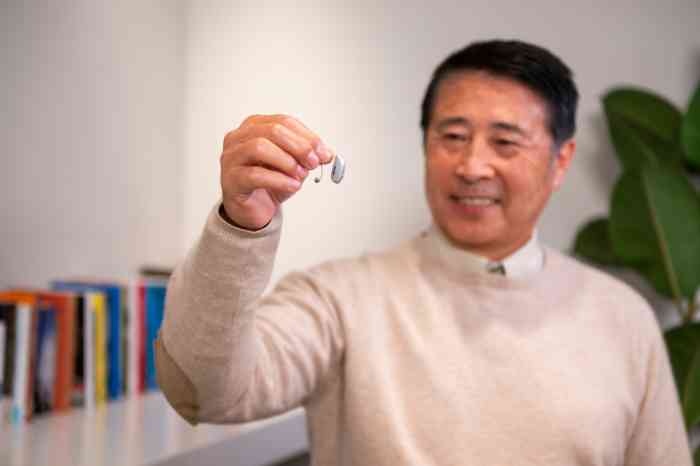
Regular maintenance is essential to keep your Receiver-In-Canal (RIC) hearing aids performing at their best, and one of the most important parts of that care routine is replacing the wax filters. These tiny components sit at the tip of the receiver, acting as a barrier to prevent earwax, moisture, and debris from entering the speaker and affecting sound quality. Over time, filters naturally become blocked, causing muffled or weak sound, and in some cases, complete loss of amplification.
Changing the wax filter is a simple but crucial task that most users can do safely at home with the right tool and replacement parts. It helps protect the delicate internal components of your hearing aids, extends their lifespan, and ensures consistent, clear sound. In this guide, you’ll find answers to the most common questions users have about replacing RIC hearing aid filters — from how often they should be changed to which tools to use and how to avoid damage during the process.
Receiver-In-Canal (RIC) hearing aid filters, also known as wax filters or wax guards, are small protective components designed to prevent earwax, moisture, and debris from entering the receiver (speaker) of the hearing aid. In RIC models, the receiver sits inside the ear canal, where it is exposed to earwax and humidity. Without a filter, these substances could clog the receiver opening, distorting or weakening sound and, over time, cause permanent damage to the device.
Each RIC hearing aid has a small circular filter fitted at the end of the receiver, usually beneath the soft silicone dome or custom earpiece. The filter allows sound to pass through clearly while blocking unwanted particles. Different hearing aid brands use specific types of filters, which come with their own replacement tools, but serve the same purpose — maintaining clear sound quality and protecting the internal electronics.
Because these filters naturally accumulate wax over time, they should be checked and replaced regularly, typically every few weeks or whenever sound becomes muffled. Replacing them promptly helps ensure your hearing aids remain reliable, hygienic, and comfortable to wear.
Never underestimate the importance of ear care, your hearing might depend on it.
No, not all wax filters are the same. Each hearing aid manufacturer typically designs filters that are compatible with their own receivers, meaning you must use the specific filter type recommended by your hearing care professional. Filters can differ in size, shape, and replacement mechanism — for example, some use individual sticks, while others come in a wheel-style dispenser.
Using the wrong type of filter can prevent proper fitting, reduce sound quality, or even damage the receiver. Always check your user manual or ask your hearing care professional to confirm which filter model you need. Keeping a small supply of the correct filters at home ensures you can replace them promptly whenever needed. While it may be tempting to use a generic or similar-looking filter, sticking to the recommended type is the safest way to protect your hearing aids and ensure consistent performance.
Most RIC hearing aids come with a dedicated wax filter replacement tool, which is often included in the filter packaging. This tool usually looks like a small stick or wheel with two ends — one for removing the old filter and the other for inserting the new one. Using the correct tool is important because it’s designed to fit precisely into the receiver without damaging it.
To remove the old filter, insert the removal end straight into the center of the existing filter, then gently pull it out. Flip the tool to the insertion side, align it with the receiver opening, and push in the new filter until it sits flush. Avoid using toothpicks, pins, or other objects, as they can harm the receiver. If you’re unsure which tool to use, ask your hearing care professional to demonstrate the correct replacement process.
Learn more about how your hearing works from certified experts.
Over time, earwax can accumulate in your hearing aid’s receiver, blocking sound and reducing performance. Most RIC (Receiver-In-Canal) hearing aids use small wax filters or wax guards to protect the speaker from debris. These filters should be replaced regularly, especially if the sound becomes weak or distorted. Follow the steps below to safely replace the wax filters on your hearing aids.
What You’ll Need:
Step-by-Step Changing Guide
Most replacement tools have two ends:
Insert the removal side of the tool straight into the center of the old wax filter. Do not twist — simply pull it straight out to remove the used filter.
How often you should change your hearing aid filters depends on your earwax production, lifestyle, and how often you wear your hearing aids. In general, it is recommended to replace the wax filters every four to six weeks. However, some people may need to do it more frequently — even every one to two weeks — especially if they naturally produce more earwax or live in dusty or humid environments. You should also replace the filter whenever sound becomes weak, distorted, or stops completely, as this is often a sign that the wax guard is clogged.
Regular replacement helps protect the delicate receiver from earwax and moisture, preventing costly repairs and maintaining clear, consistent sound quality. To keep your hearing aids in optimal condition, check the filters during your regular cleaning routine. If you notice visible wax build-up or blockage, it’s time to change them. Always use filters and tools recommended by your hearing care professional, as using the wrong type can affect performance or cause damage. By replacing your hearing aid filters regularly, you’ll extend the lifespan of your devices and ensure you continue to hear clearly and comfortably every day.
There are a few clear signs that indicate it’s time to change your hearing aid filter. The most common one is a sudden drop in sound quality — such as muffled, weak, or intermittent audio. You might also notice that the hearing aid seems completely silent, even when the battery is new. In most cases, this happens because earwax or debris has blocked the filter, preventing sound from passing through.
Visually, a dirty or discolored filter is another clue that it needs replacement. If you clean your hearing aids regularly but performance still seems poor, replacing the wax filter should be your first troubleshooting step before scheduling professional maintenance. Keeping an eye on these signs helps you prevent larger issues, like moisture damage or costly repairs to the receiver.
It’s generally not recommended to clean hearing aid filters because they are delicate and designed for single use. Attempting to clean or poke through a clogged filter can damage its structure, allowing wax or moisture to enter the receiver. This can lead to serious damage. Instead, it’s safer and more effective to replace the filter entirely using the replacement tool provided by your hearing care professional.
These tools allow you to remove the used filter and insert a fresh one quickly and hygienically. To extend the filter’s lifespan, make sure to clean your domes and receiver openings daily with a dry cloth or soft brush to minimize wax build-up. Regular replacement, rather than cleaning, is the best way to keep your hearing aids performing reliably and sounding clear.
If you don’t replace your hearing aid filters regularly, earwax and debris can accumulate inside the receiver, blocking the sound output and causing muffled or weak audio. Over time, this build-up can lead to moisture damage or corrosion, potentially causing permanent failure of the receiver.
You may also experience discomfort or hygiene issues, as blocked filters can trap bacteria and moisture near the ear canal. Neglecting filter changes can therefore shorten the lifespan of your hearing aids. To prevent these issues, it’s best to check the filters weekly and replace them as soon as you notice any blockage or performance drop. Regular replacement is a simple, inexpensive way to keep your hearing aids clean, reliable, and working at their best every day.
Most users can safely replace their hearing aid filters at home, as the process is simple and designed for self-maintenance. Replacement tools make it easy to remove and insert filters without damaging the receiver. However, if you’re new to hearing aids, have limited dexterity, or are unsure about the process, it may be best to ask your hearing care professional to demonstrate it first.
Once you’re comfortable, you can perform future replacements on your own. You should also visit your hearing care professional if changing the filter doesn’t restore sound quality — this could indicate another issue, such as a damaged receiver or microphone. Regular professional cleanings, combined with at-home filter replacement, will keep your hearing aids in top condition. The key is to replace filters promptly and correctly, whether by yourself or with professional assistance.
You can purchase replacement wax filters from several sources, but it’s best to buy them through your hearing care professional or a trusted hearing aid supplier to ensure you get the correct type for your device. Avoid buying from unverified online marketplaces, as counterfeit or incorrect filters may not fit properly and could damage your hearing aids.
When purchasing, always check the filter packaging for compatibility details and confirm that the brand or model matches your hearing aid. It’s a good idea to keep an extra pack at home so you can replace filters promptly whenever needed. If you’re unsure which filter type your device uses, consult your user manual or contact your hearing care professional before ordering replacements.



 Find an expert at any of our 1,600+ locations nationwide

 Schedule your free hearing test today!


.jpg/jcr:content/renditions/cq5dam.web.700.700.jpeg)