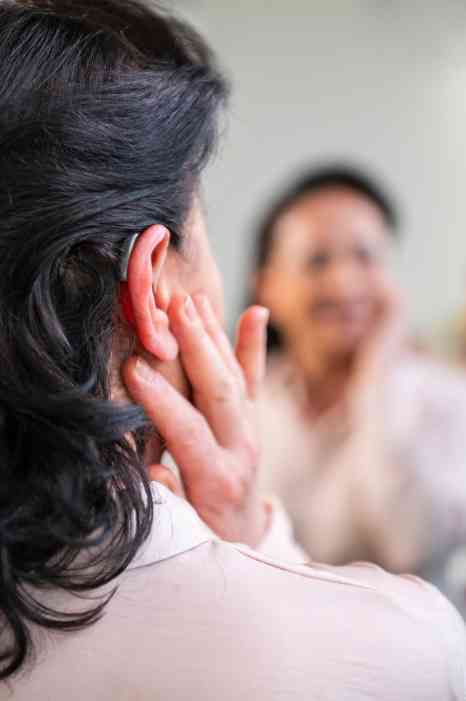
female client
Clean

Tips on how to clean and remove earwax from hearing aids

Learn how to remove earwax from hearing aids: cleaning, wax guards replacement, and how to prevent wax buildup.

Earwax Care Tips for Better Hearing Aid Performance

Earwax plays an important role in ear health. It protects the sensitive skin inside the ear canal, helps block dirt and bacteria, and even assists with cleaning and lubrication. But when there’s too much, earwax can become a problem, especially if it keeps your hearing aids from working the way they should.

Learn more: Cleaning products

For Miracle-Ear wearers, earwax buildup is one of the leading causes of hearing aid repairs, along with moisture and battery issues. When wax blocks the device, sound can become weak, distorted, or stop altogether

The good news is that there are simple steps you can take at home to keep your Miracle-Ear hearing aids in top shape between visits to your hearing care professional. 

Dr. Tom Tedeschi

Dr. Thomas Tedeschi, Au.D.

Chief Audiology Officer, Miracle-Ear

Key takeaways

  • Hearing aids are prone to wax buildup, which can be managed with frequent at-home cleaning.
  • Set a regular time to clean your devices so you remember to do it daily.
  • Change out wax guards at least every four weeks to protect the technology inside your hearing aids.
  • Use proper tools, such as those in a hearing aid kit, to remove wax without causing damage.
  • Sit in a well-lit space while carefully removing earwax from hearing aids.
  • Meet with a hearing care professional as needed to do a deep clean and answer questions.
{"initialStep":"E103-prequalification-age-range","steps":[{"stepId":"E103-prequalification-age-range","subtitle":"Where are you on your hearing journey?","answers":[{"label":"I already wear hearing aids and want to improve my experience","nextStep":"FINALSTEP","aptType":"60#60"},{"label":"I’m new to hearing aids and want to try them for the first time","nextStep":"FINALSTEP","aptType":"60#60"}]}]}
Try Miracle-Ear hearing aids.

Where are you on your hearing journey?

How to clean earwax from hearing aids

If you currently wear hearing aids or are considering whether they may be right for you, it’s important to understand how to clean hearing aids of wax. While certain chargers can also help clean and dry certain hearing aids, self-cleaning hearing aids don’t exist yet. However, learning how to remove earwax when you wear hearing aids is simple, quick, easy, and an important way to keep your hearing devices working well for as long as possible.

Find your closest Miracle-Ear center

Your store

Before we cover the details, here are few tips to help you get started:

  • Make sure you have the right tools. These typically include items like a small brush and a set of wax guards, which we’ll cover below. Keep these accessible so that you’ll be prepared to use them frequently.
  • Set a schedule for when you’ll clean your hearing aids. Decide when you’ll clean your hearing aids each day — perhaps first thing in the morning or right before bed. It may help to leave yourself a reminder note or set an alert on your phone.
  • Talk to your hearing care professional about how to remove earwax from hearing aids. They can demonstrate the process during your visit and answer questions about how to care for your specific hearing aid model.
Woman smiling

Care for your ears

One of the best ways to care for your ears and prevent hearing loss is to get them properly examined by a hearing care professional. Find your nearest Miracle-Ear store to get started on your journey to better hearing. 

Learn more about ear care

Tip #1: Inspect hearing aids for earwax buildup

Hearing aids come in different shapes and sizes. For many models, the outer part of the hearing aid (the shell) conceals and protects the technology inside, while the portion of the hearing aid that sits in the ear sends sound directly through the ear canal. This part is called the receiver, and it’s covered by a small protective dome

Because of the receiver’s exposure to the ear canal, earwax buildup and hearing aids often go hand in hand. In fact, wax on the receiver is the most common cause of hearing aid failure. Checking the following parts of your hearing aids for wax each day can help prevent problems.


Most hearing aids come with filters and wax guards. These guards play an essential role in protecting the technology inside. Typically, wax filters should be replaced about once a month or, in some cases, even more often.

To check these filters, remove the protective dome covering the hearing aid receiver. If it appears that the wax guard is plugged, that means it’s time to replace it

Sound bores are part of the hearing aid receiver on the hearing aid tip or earmold. Once the hearing aid picks up and processes sounds in your environment, the sound is transferred into your ear through the sounds bores in the hearing aid tip.

When sound bores are clear and free of wax, sound quality is crisp and clean, helping you interpret speech, music and other everyday sounds with precision. When wax is in the way, sound might come through softer or more muffled. Check hearing aid tips daily for visible signs of wax on the dome as well as underneath it.

Behind-the-ear (BTE) hearing aids have clear plastic tubes that connect the parts that sit behind the ear to those sitting in the ear canal. As wax gets into the sound bores and hearing aid tips, it can also affect the hearing aid tube.

When this part of the hearing aid becomes clogged, sound transmission is compromised. Watch for discoloration and other signs of debris in the tube, and find tube cleaning tips farther below in this blog.

Tip #2: Use a hearing aid cleaning kit

To keep your cleaning tools organized and in one place, a kit can be helpful. Kits may be included with your hearing aids, but can also be purchased from your hearing care professional. You can also buy individual pieces and build your own kit. Create your own hearing aid cleaning kit with these helpful tools:

  • small brush to gently clean wax from the hearing aid dome
  • wire loop or wax pick to extract wax from the hearing aid dome or sound bores
  • A vent cleaner to push wax through longer vents that wax picks or loops can’t reach
  • softdry cloth to wipe away moisturedirt or debris on the hearing aid shell

BTE hearing aid tubes need to be cleaned from time to time. If you have this type of device, it’s important to understand how to clean wax out of hearing aid tubes.

Check these tubes for debris and wax each day and use a dry, soft cloth to wipe down the exterior as needed. If you notice any visible blockages, detach the tubing from the hearing aid and pass a cleaning thread through the tube before reattaching.

A hearing care professional can also show you how to remove wax from hearing aid tubes during an appointment.

HCP at store

Hearing Diseases and Health Concerns

Hearing plays an important role in our health. You may be surprised by how hearing health affects and is affected by other systems in our body, from mental health to physical health. Hearing loss is connected to many other health conditions throughout the body. While hearing loss may not be the cause of these diseases or conditions, it is considered a risk factor for many.

Tip #3: Clean your hearing aids regularly

Cleaning your hearing aids every night before bed or in the morning before you put them on is one of the best ways to preserve them. Without this important step, hardened wax can build up over time and become difficult to remove.

Common options:

Softening drops are applied for a few days to loosen wax, then flushed out gently with warm water using a small bulb syringe.


These use a controlled stream of water to rinse out wax. They should always be used with caution and low pressure.


Some kits include small brushes, scoops, or loops with built-in guards to prevent inserting them too deeply.

These provide mild suction or controlled irrigation and may be easier for people who prefer less manual effort.

In addition to earwax removal from the ear canal, devices designed to clean the hearing aids themselves can help reduce buildup and moisture.


Woman smiling

Commitment to excellence

Join the millions of Americans who have trusted Miracle-Ear for hearing care that’s tailored to their needs.

Book a free hearing test

Tip #4: Replace your wax guards regularly (RIC hearing aids)

Wax guards are tiny but mighty, protecting your hearing aid technology and allowing for clear sound quality. To do their job, they need to be replaced every four weeks. If you’re prone to producing a lot of earwax, replacing them even more often is a good idea. Hearing aid wax guard replacement takes just a few seconds. Find steps for how to do so here.

Tip #5: Be careful and gentle

As powerful as hearing aids are, they’re also very delicate. Sharp objects and excessive force can cause damage, so stick with the standard cleaning tools and use them with care. Work at a smooth surface, such as a table or desk, with bright lighting to make your cleaning process easier.

If any specialized adjustments are needed, always talk to your hearing care professional rather than trying to figure it out on your own.

Couple on hike

We pride ourself with quality service

Miracle-Ear is proud to provide quality service from certified hearing aid professionals at each one of its more than 1,500 locations nationwide.

Tip #6: Schedule cleanings with a hearing care professional

In addition to a regular at-home cleaning routine, professional cleanings will help keep your devices functioning at their best for as long as possible. A hearing care professional will be able to do a deep cleaning, check all hearing aid parts, and address debris buildup to maintain your devices. 

Woman smiling

Prevention is key

Never underestimate the importance of ear care, your hearing might depend on it.

Ask our experts

Does earwax affect hearing aids?

Because earwax and hearing aids are both located in the ears, hearing aids will inevitably encounter wax. Earwax is one of the leading causes of hearing aid problems.

Here’s how it can affect your devices:

  • Blocks sound: Earwax can clog the microphone, receiver (speaker), or vents, making sounds seem faint, muffled, or distorted.
  • Stops function completely: If the wax filter or guard becomes fully blocked, the hearing aid may stop producing sound altogether.
  • Causes repairs: Earwax is one of the most common reasons people need hearing aid repairs or replacements, along with moisture damage.
  • Reduces lifespan: Consistent wax buildup can strain the delicate electronics inside, shortening the device’s overall life.
  • Impacts fit and comfort: Earwax buildup in the ear canal itself can push against the hearing aid, making it uncomfortable or less effective.

This is why daily cleaning and regularly replacing wax guards are strongly recommended. Hearing care professionals also offer professional cleanings to safely remove wax both from the device and, if necessary, from your ears.

A lot of newer hearing aid wearers wonder, “Do hearing aids cause earwax to build up more?” The answer is yes.

Because all hearing aids have parts that sit inside your ear, the natural outward movement of earwax gets impeded or blocked. That inevitable buildup is the reason why it’s so important to stay on top of cleaning earwax from your hearing aids. 

Earwax buildup on hearing aids can have a few negative effects: it can make your devices feel uncomfortable, affect sound clarity and volume, and even cause malfunctions.
HCP at store

Care for your ears

Ear care not only improves your hearing health, but your overall health as well. Get started today by scheduling a free hearing test. Find your nearest Miracle-Ear store to get started on your journey to better hearing.

How to clean earwax out of invisible hearing aids

Wipe your hearing aids with a clean, dry cloth to remove surface wax and debris.

Most hearing aids come with small brushes, picks, or tools designed to remove earwax safely. Use them gently to clear away deposits.

A soft-bristle brush can help remove wax from ports, vents, and other small openings without damaging the device.

Do not use sharp objects, cotton swabs, water, or household cleaners. These can damage sensitive components or push wax deeper.


Many cleaning kits include wax-removal brushes, vent cleaners, and filters that make the process easier and safer.

Regular daily cleaning helps prevent wax buildup and keeps your hearing aids working properly.

If wax buildup is severe, stubborn, or interfering with performance, visit your hearing care provider for a safe, thorough cleaning.
Audiologist with clients

Explore Related Hearing Topics

Learn more about how your hearing works from certified experts.

Discover our blog now

Prevent hearing aid earwax buildup

Excess wax may block sound openingsclog filters, or even damage sensitive components inside the device. The good news is that there are simple steps you can take to minimize buildup and keep your hearing aids performing at their best.

Daily cleaning is one of the most effective habits. Use a soft, dry cloth or the cleaning brush provided with your hearing aids to gently remove wax from the surfacemicrophone ports, and receiver openings. Holding the device with the openings facing downward helps debris fall away instead of being pushed inside.

Replacing wax guards or filters regularly is another important step. These small components protect the receiver from wax and should be changed whenever they appear clogged or discolored. Your hearing care professional can supply the correct replacements and demonstrate the process.

Finally, schedule routine professional check-upsRegular ear examinations and device cleanings help prevent larger issues from developing. By combining daily care with professional support, you can reduce earwax buildup and enjoy clear, reliable hearing through your aids.


What dissolves earwax from hearing aids?

It’s important to not get your hearing aids wet unnecessarily. Stick to the advice and recommended tools above for proper cleaning. A softdry cloth or small hearing aid brush will remove wax without exposing your devices to liquidmoisture, or products that could harm them.

Woman holding a surf board at the beach

Ready to take the first step?

What’s holding you back from taking the next step in your journey to better hearing? Call a Miracle-Ear Center and we’ll be glad to address any questions or concerns you may have.

How often should you have your hearing aids cleaned?

The answer depends on the type of cleaning:

  • Daily: Wipe your hearing aids with a soft, dry cloth and brush away any earwax or debris from openings and vents.
  • Weekly: Check and replace wax guards or filters if they look clogged, and make sure domes or earmolds are clean and dry.

  • Every 3 to 6 months: Most hearing care professionals recommend having your hearing aids cleaned and checked in-office at least twice a year.
  • More often if needed: If you produce more earwax than average, live in a humid environment, or notice muffled/distorted sound, you may benefit from more frequent professional cleanings.
Don & Mary Anne's customer story video

Don & Mary Anne's Story

Don and Mary Anne have been loyal Miracle-Ear customers for years. From our knowledgeable experts to lifetime aftercare, Miracle-Ear is prepared to serve you and your loved ones for years to come. 

How often should you change wax filters in hearing aids?

Now you may be wondering, “How often should you change wax filters in hearing aids?”  If you’re prone to extra earwaxreplace wax filters as soon as you notice wax buildup. This timing will vary from person to person; it may be a weeka month, or somewhere in between. When you notice excess wax, replace filters right away to maintain hearing aid performance.

Here’s a step-by-step guide on how to safely remove and replace wax guards in hearing aids. These tiny filters protect the speaker from earwax, but once clogged, they should be swapped out—not cleaned.

Find your closest Miracle-Ear center

Your store

  • Your replacement wax guards (usually come in a wheel or pack).
  • The tool provided (often a small stick with two ends: one for removal, one for insertion).
  • A clean, dry surface to work on.

  • Take the tool and use the removal end (usually empty or has a small prong).
  • Insert it straight into the wax guard opening of your hearing aid.
  • Pull it straight out—the old wax guard will attach to the tool.

  • Flip the tool to the insertion end (the side with a new wax guard preloaded).
  • Line it up with the same opening in the hearing aid.
  • Push it gently but firmly until the new guard clicks into place.
  • Pull the tool away—the new wax guard should stay in your hearing aid.

  • Inspect to make sure the new guard is seated properly and flat against the surface.
  • Dispose of the old guard and the used tool end.

  • Replace wax guards whenever sound becomes weak, distorted, or silent.
  • Frequency varies—some people replace them monthly, others only a few times a year.
  • Always use the wax guards designed for your specific hearing aid model.
dr with patient
dr with patient
Very happy with my hearing aids and the service!

Can hearing aid wax guards be cleaned?

Wax guards (also called wax filters) are tiny protective components that sit at the opening of many hearing aids, especially in-the-ear and receiver-in-canal styles. Their job is to keep earwax and debris from reaching the delicate speaker inside. They should not be cleaned and reused.

Because they are so small and designed to trap wax, attempting to clean them is usually ineffective and can damage the filter. Once a wax guard is clogged, the best practice is to replace it with a new one.

Find an expert at any of our 1,600+ locations nationwide

Your store

Loading

If your hearing aid sounds weak, distorted, or completely silent, a blocked wax guard is often the cause.

Don’t try to scrape or wash it. Replacement takes only a few seconds with the proper tool.

Each hearing aid brand uses its own style of wax guard—your hearing care provider will supply the correct ones.

Having replacement guards at home ensures you can fix issues quickly without waiting for an appointment.

Wax guards are meant to be replaced, not cleaned.

Visit us in a Miracle-Ear center for more information

store outside
Find the Miracle Ear store closest to you
We’re here for you wherever you’re at home or traveling with experts at over 1,600 locations nationwide.
Find your nearest store
patient and audiologist inside store
Book a free appointment online
Join the millions of Americans who have trusted Miracle-Ear for hearing care that’s tailored for their needs.
Book an appointment
Audiologist and client inside store
Let our certified experts help you
For generations, we've been pioneering better hearing through our personalized approach to care and continued innovation.
More about our experts

What do hearing care professionals use to remove ear wax?

Audiologists and hearing care professionals have several safe, clinical methods for removing earwax. The technique they choose depends on the amount, location, and texture of the wax, as well as the patient’s ear health.

Here are the main ones:

  • The audiologist uses a special tool called a curette (a small loop or scoop) under magnification with an otoscope or microscope.
  • This allows precise, gentle scraping of wax from the ear canal.

  • A small medical suction device is used to vacuum out earwax while the professional watches through a microscope.
  • This is often considered one of the safest and cleanest methods, especially for people with hearing aids or recurring buildup.

  • Warm water or saline is gently introduced into the ear with a controlled irrigation system.
  • This softens and washes the wax out of the canal. Modern systems regulate water pressure for safety.

Sometimes drops are applied first to soften hardened wax, making manual removal or irrigation easier and safer.

Audiologists and hearing care professionals avoid unsafe methods like cotton swabs or sharp household objects, which can push wax deeper or damage the eardrum.

people driving

Do you need more information? Contact us

Complete the form and someone from our team will reach out to you. With over 1,600 stores nationwide, we'll help you find the one closest to you.

Get support and advice

Book an appointment online

Book now

Take a free online hearing test

Start test

Find a hearing aid center near you

Search now