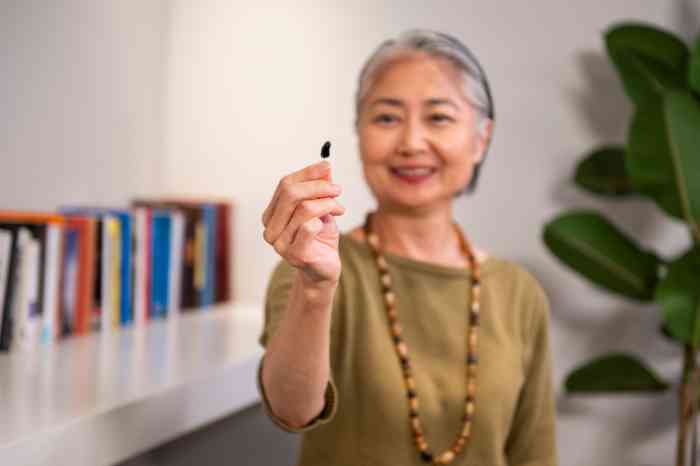
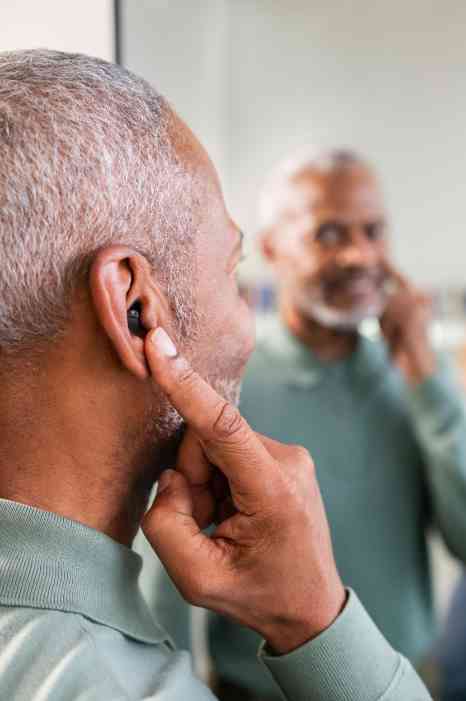
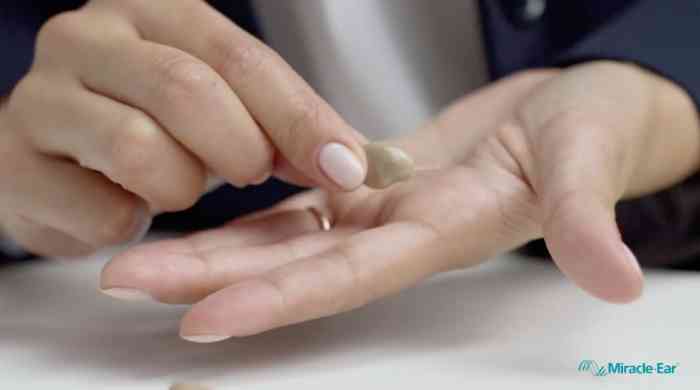
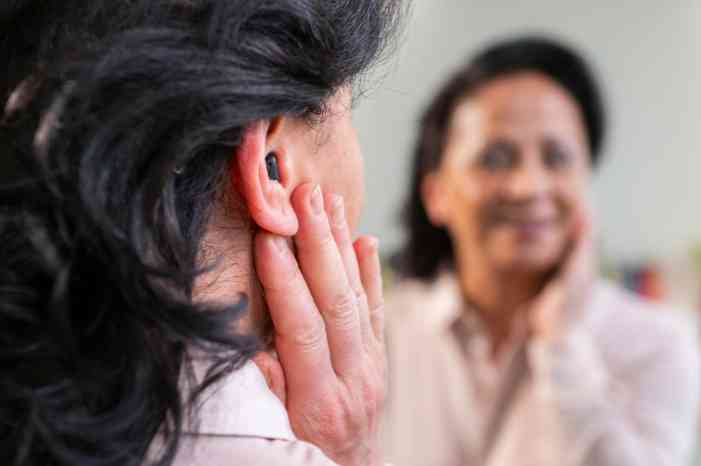
For many individuals, the idea of using hearing aids for the first time can stir a range of feelings—from curiosity and hope, to nervousness about the unknown. This detailed guide is designed to walk you through what to expect when starting your journey with hearing aids, helping you make the most of your hearing care experience.
From your first fitting to the adaptation phase and long-term maintenance, we offer professional advice and practical tips to help you ease into better hearing with confidence and comfort. Wearing hearing aids may seem daunting at first, but the fear is often far greater than reality. With today’s technology, personalized support, and a little persistence, hearing aids can dramatically improve your ability to engage with the world. They’re not a sign of weakness or age—they’re a tool for better living. Read more in our article.
We offer solutions that transform hearing, from nearly invisible, comfortable designs to robust AI technology.
For many people, the idea of wearing hearing aids can seem intimidating, especially when confronting the social stigma associated with hearing loss. There’s a common misconception that wearing hearing aids automatically marks someone as “old” or disabled. This perception often discourages individuals from seeking the help they need, despite the significant benefits hearing aids offer. Cost is another common concern, with many assuming hearing aids are prohibitively expensive.
However, today’s market offers a wide range of hearing aids to suit different lifestyles and budgets, making them more accessible than ever before. Modern technology has greatly reduced the fear factor. Innovations such as invisible designs and Bluetooth connectivity have made hearing aids more discreet and user-friendly.
Despite these improvements, statistics show that less than one in three people who could benefit from hearing aids actually wear them. This is often due to the initial discomfort or strange sensations they bring, particularly during the first few days or weeks of use.
However, it’s important to understand that these early challenges are temporary. Just as the brain adapts when adjusting to new glasses or recovering from surgery, it also learns to process amplified sounds over time. Persistence is key. By sticking with your hearing aids through the adjustment period, your brain gradually adapts, and the benefits become more apparent. You’ll soon find yourself more connected to the world around you, enjoying conversations, music, and nature in a way that might have felt out of reach. It’s important to understand that these early challenges are temporary.
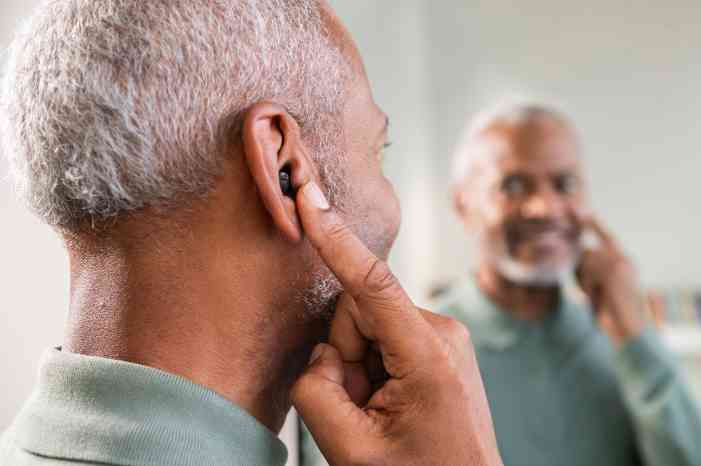
Getting your first hearing aids marks a major life step and often comes with a mix of emotions—relief at finally acting, hope for better communication, excitement, and even nervousness. The transition can feel overwhelming at first, but knowing what to expect from the beginning helps ease anxiety and prepares you for success.
Whether you're using a prescription hearing aid or an over-the-counter (OTC) model, learning how to use and maintain your device is essential for success.
One of the best ways to care for your ears and prevent hearing loss is to get them properly examined by a hearing care professional. Find your nearest Miracle-Ear store to get started on your journey to better hearing.
Your initial hearing aid fitting is a vital step in customizing the devices to match both your hearing needs and lifestyle. Open and clear communication with your hearing care professional during this appointment is key to ensuring a comfortable and successful experience with your new hearing aids.
As you get used to your hearing aids, you may notice a few mild side effects, including:
These symptoms are completely normal and tend to fade with time. If they persist or worsen, your hearing care professional may be able to adjust the fit or sound profile of your device. Taking short breaks from wearing your aids is fine—but don’t give up entirely. Consistency is key to successful adaptation.
Learn more about how your hearing works from certified experts.
Wearing hearing aids for the first time requires retraining your brain. Everyday sounds—voices, birds, footsteps, or even your own speech—might seem jarring at first. This is normal. Your auditory system is adapting to stimuli it hasn’t processed in a long time.
Whether you're wearing hearing aids for the first time or upgrading to a new pair, it's normal to experience a short adjustment period. During this time, you'll be getting used to new settings, features, and the wide range of sounds that hearing aids can help restore.
You may notice sensations and sounds that had faded due to hearing loss. This is a natural part of the process—and while it may take a little time, it’s important to remember that this phase is temporary. With patience, regular use, and support from your hearing care professional, you’ll gradually adapt and enjoy clearer, more vibrant hearing.
Although modern hearing aids are equipped with features that reduce background noise, it can still take time to adjust to noisy settings. In places like restaurants or busy streets, you may initially find it challenging to focus on conversations. Your hearing care professional provider can help by adjusting the settings to suit your environment, but your brain also needs time to relearn how to prioritize the right sounds.
As you become more accustomed to your devices, navigating complex sound environments will become easier, and participating in conversations will feel more effortless.
When you begin using your first pair of hearing aids, it’s important to integrate simple care and maintenance habits into your daily routine. These tasks will help extend the life of your devices and ensure they continue to function effectively.
Knowing when to remove your hearing aids is just as important as knowing how to use them. While many newer models offer some resistance to moisture, they are not fully waterproof. Prolonged exposure to water or steam can permanently damage internal components. Be sure to remove your hearing aids before:
By protecting your hearing aids from moisture and heat, you’ll help maintain their performance and avoid costly repairs.


 Discover how to help a loved one with hearing loss

 Find your closest Miracle-Ear center



.jpg/jcr:content/renditions/cq5dam.web.700.700.jpeg)