Hearing aid batteries are small power sources designed specifically to operate hearing aids. They are essential for delivering the energy needed to amplify sound, support advanced features like noise reduction and Bluetooth streaming, and keep the device running consistently throughout the day.
Learn more about how your hearing works from certified experts.
There are two main types: disposable zinc-air batteries and rechargeable lithium-ion batteries. Zinc-air batteries are activated by air and come in standardized sizes (10, 312, 13, and 675), each suited for specific hearing aid styles. Rechargeable batteries, typically built into the device, are powered through a charging unit and can last several years before needing to be replaced. The importance of hearing aid batteries lies in their role in ensuring uninterrupted hearing support. A weak or unreliable battery can cause poor sound quality, reduced amplification, or even complete device shutdown, which can significantly impact daily communication, safety, and independence—especially for individuals with severe hearing loss.
In addition, batteries influence the overall convenience of using hearing aids. Long-lasting power reduces the need for frequent changes or charging, while stable energy output helps maintain consistent performance throughout the day. For those who rely on their hearing aids from morning to night, having a dependable battery is just as important as the device itself.
Choosing the right battery type and maintaining it properly ensures that hearing aids function optimally. Whether disposable or rechargeable, a high-quality battery supports the hearing aid’s ability to deliver clear, comfortable sound in a wide range of environments, making it a key component of hearing health.
Hearing aid batteries come in four main sizes, each designed to fit specific types of hearing aids. The sizes are standardized across manufacturers and color-coded for easy identification: Size 10 (yellow), Size 312 (brown), Size 13 (orange), and Size 675 (blue). Each size has a unique shape and power capacity suited for different levels of hearing loss and device styles.
Understanding hearing aid battery sizes and dimensions is essential for ensuring compatibility with your device. Your hearing care professional will help you choose the correct battery size to ensure optimal performance and reliability.
Hearing aid batteries 312 are among the most commonly used batteries for behind-the-ear (BTE) and in-the-ear (ITE) hearing aids. Recognizable by their brown tab, these batteries are small yet powerful, designed to deliver consistent energy to keep your hearing aids functioning properly throughout the day.
The hearing aid battery 312 is zinc-air based, which means it’s activated by air once the protective seal is removed. After peeling off the tab, it’s best to wait about a minute before inserting the battery into your hearing aid. This allows the battery to fully activate and ensures maximum performance.
Battery life typically ranges from 3 to 10 days, depending on the hearing aid model, usage patterns, and environmental conditions such as humidity and temperature. Streaming audio or frequent adjustments may shorten battery life, so it’s helpful to keep extras on hand, especially when traveling. Because hearing aid batteries 312 are so compact, proper storage is essential. Keep them in a dry, room-temperature place and away from metal objects to avoid accidental discharge.
Disposing of used batteries responsibly is also important—many communities offer recycling programs to prevent environmental harm. For those who rely on hearing aids daily, using reliable hearing aid battery 312 brands can make a noticeable difference in sound quality and device reliability.
It’s also worth checking the expiration date on the packaging to ensure you’re using fresh batteries. When in doubt, consult your hearing care professional for battery recommendations tailored to your specific hearing aid model.
675 batteries for hearing aids are designed for high-power devices, particularly those used to manage severe to profound hearing loss. These batteries are larger than other common hearing aid batteries and are easily identified by their blue tab. Their size allows for a higher energy capacity, making them ideal for power-intensive hearing aids, including some cochlear implant processors.
One of the biggest advantages of 675 batteries for hearing aids is their longer lifespan. On average, they last between 9 to 20 days, depending on the hearing aid's power demands and how frequently the device is used. This extended battery life makes them a convenient option for users who want fewer battery changes throughout the week.
These batteries are also zinc-air based, which means they are air-activated. After removing the blue tab, it’s best to wait 1–2 minutes before inserting the battery into the device. This gives the battery time to absorb oxygen and reach optimal performance. Because 675 batteries are used in high-powered hearing aids, they need to be dependable. Choosing well-known, high-quality brands can help ensure consistent power output and reduce the risk of unexpected device shutdowns.
Storage and disposal are important as well. Keep unopened batteries in a cool, dry place and never mix them with metal items like keys or coins. Used batteries should be recycled properly to prevent environmental harm. For users with high-gain hearing aids, 675 batteries for hearing aids offer a practical balance of power and longevity, supporting clear and reliable sound throughout the day.
The lifespan of hearing aid batteries depends on several factors, including battery size, the type of hearing aid, and individual usage habits. On average, most disposable zinc-air batteries last between 3 and 20 days.
Smaller batteries, like size 10, typically last 3 to 7 days. These are used in tiny, in-the-ear models that prioritize discretion over power, which results in shorter battery life. Size 312 batteries generally last 3 to 10 days, depending on the features used, such as wireless streaming or directional microphones.
Mid-sized batteries, such as size 13, often last 6 to 14 days and are found in behind-the-ear models. Larger size 675 batteries, which power high-output devices or cochlear implants, can last 9 to 20 days due to their increased capacity.
How you use your hearing aids also affects battery life. Streaming audio, frequent adjustments, and high amplification levels can drain batteries faster. Environmental conditions like humidity, altitude, and temperature can also impact performance. Cold and dry air tends to shorten battery life.
Proper handling can make a difference, too. Allowing the battery to “breathe” for one minute after removing the tab before inserting it helps activate the zinc-air reaction fully. Turning off your hearing aid when not in use and storing batteries in a cool, dry place can extend their efficiency.
In general, understanding your hearing aid’s power needs and monitoring usage habits will help you estimate how long your batteries will last and when to have replacements ready.
Want to extend your hearing aid battery life? Try these simple, yet effective tips to make them last longer.
Hearing aids with rechargeable batteries offer a range of advantages that go beyond convenience. One key feature is their increased moisture resistance. Unlike traditional hearing aids with disposable batteries—which require frequent opening of the battery compartment—rechargeable models are built with sealed systems. This design reduces the chance of moisture, sweat, or debris getting inside, making them more durable in humid environments or during physical activity.
Another major benefit is ease of use. For people with limited hand dexterity or vision, changing tiny disposable batteries can be frustrating. Rechargeable hearing aids eliminate that step. Simply place the devices in a charging dock overnight, and you’ll have a full day’s power without handling small battery doors.
Over time, hearing aids with rechargeable batteries are also more cost-effective. While they may have a higher initial price, users save money by not having to regularly purchase disposable batteries. Most rechargeable models use lithium-ion batteries, which offer reliable, long-lasting power and support fast charging—often providing several hours of use from just a short charge.
Learn more about how your hearing works from certified experts.
Another advantage is environmental sustainability. Using fewer disposable batteries means less waste, which benefits the environment in the long run.
Rechargeable hearing aids are not only more user-friendly but also more resilient against everyday wear and tear, especially from moisture. For users looking for a dependable, modern solution that minimizes maintenance while maximizing comfort and protection, hearing aids with rechargeable batteries are an excellent choice.
Yes, rechargeable hearing aid batteries can be replaced, but the process differs from traditional disposable battery models. Most modern rechargeable hearing aids use built-in lithium-ion batteries, which are designed to last several years—typically around three to five years—before needing replacement. Unlike disposable batteries that users replace regularly, rechargeable hearing aid batteries are sealed inside the device. This design makes the hearing aids more moisture-resistant and durable, but also means battery replacement must be done by a professional. You can't simply swap them out at home.
When battery performance starts to decline—such as shorter daily usage time or inconsistent charging—it’s a sign that service is needed. In most cases, your audiologist or hearing care provider will handle the battery replacement. Some manufacturers offer battery replacement as part of their warranty or service package, while others may charge a fee. It's important to have this done by a qualified technician to avoid damaging the device.
If you’re considering rechargeable hearing aids, know that while they don’t require frequent changes, they will eventually need to be replaced. Planning for this can help you avoid unexpected downtime. Some older rechargeable models may use nickel-metal hydride (NiMH) batteries, which are user-replaceable, but these are less common today and offer shorter battery life compared to lithium-ion.
In summary, while rechargeable hearing aid batteries are not replaced as often as disposables, they are still a serviceable component. Regular checkups will help ensure your hearing aids continue to perform at their best over time.
Choosing between a hearing aid with disposable batteries and a rechargeable model depends on lifestyle, convenience, and personal preference. Each option has its own strengths, so what’s “better” varies from person to person. Miracle-Ear offers advanced solutions in both categories to suit your needs.
Hearing aids with disposable batteries, such as the Miracle-EarSPARK™ CIC 10, offer flexibility and convenience. You can carry spares with you and replace them instantly if your hearing aid runs out of power, which is especially helpful for frequent travelers or those without consistent access to charging stations. These models also tend to be slightly smaller, which can be appealing for those who want a more discreet design without compromising performance.
On the other hand, rechargeable hearing aids are ideal for users who prefer a low-maintenance, high-performance option. The Miracle-EarBLISS™ RIC hearing aid offers an impressive 51 hours of battery life on a single charge. It's also waterproof*, making it a perfect companion for active lifestyles and unpredictable weather.
There's no need to worry about handling small batteries, running out of power at the wrong time, or exposure to moisture. Rechargeable models are especially helpful for people with dexterity challenges or visual impairments, and the sealed battery compartments can offer an extra layer of durability.
If the built-in battery ever needs replacing, our certified experts can take care of it for you. Not sure what type is right for you? Your Miracle-Ear hearing care professional will help you explore the best options based on your hearing needs, lifestyle, and preferences.

Hearing aids with rechargeable batteries offer a range of advantages that go beyond convenience. One key feature is their increased moisture resistance. Unlike traditional hearing aids with disposable batteries—which require frequent opening of the battery compartment—rechargeable models are built with sealed systems. This design reduces the chance of moisture, sweat, or debris getting inside, making them more durable in humid environments or during physical activity.
Another major benefit is ease of use. For people with limited hand dexterity or vision, changing tiny disposable batteries can be frustrating. Rechargeable hearing aids eliminate that step. Simply place the devices in a charging dock overnight, and you’ll have a full day’s power without handling small battery doors.
Over time, hearing aids with rechargeable batteries are also more cost-effective. While they may have a higher initial price, users save money by not having to regularly purchase disposable batteries. Most rechargeable models use lithium-ion batteries, which offer reliable, long-lasting power and support fast charging—often providing several hours of use from just a short charge.
Another advantage is environmental sustainability. Using fewer disposable batteries means less waste, which benefits the environment in the long run.
Rechargeable hearing aids are not only more user-friendly but also more resilient against everyday wear and tear, especially from moisture. For users looking for a dependable, modern solution that minimizes maintenance while maximizing comfort and protection, hearing aids with rechargeable batteries are an excellent choice.
Yes, rechargeable hearing aid batteries can be replaced, but the process differs from traditional disposable battery models. Most modern rechargeable hearing aids use built-in lithium-ion batteries, which are designed to last several years—typically around three to five years—before needing replacement. Unlike disposable batteries that users replace regularly, rechargeable hearing aid batteries are sealed inside the device. This design makes the hearing aids more moisture-resistant and durable, but also means battery replacement must be done by a professional. You can't simply swap them out at home.
When battery performance starts to decline—such as shorter daily usage time or inconsistent charging—it’s a sign that service is needed. In most cases, your audiologist or hearing care provider will handle the battery replacement. Some manufacturers offer battery replacement as part of their warranty or service package, while others may charge a fee. It's important to have this done by a qualified technician to avoid damaging the device.
If you’re considering rechargeable hearing aids, know that while they don’t require frequent changes, they will eventually need to be replaced. Planning for this can help you avoid unexpected downtime. Some older rechargeable models may use nickel-metal hydride (NiMH) batteries, which are user-replaceable, but these are less common today and offer shorter battery life compared to lithium-ion.
In summary, while rechargeable hearing aid batteries are not replaced as often as disposables, they are still a serviceable component. Regular checkups will help ensure your hearing aids continue to perform at their best over time.
Choosing between a hearing aid with disposable batteries and a rechargeable model depends on lifestyle, convenience, and personal preference. Each option has its own strengths, so what’s “better” varies from person to person. Miracle-Ear offers advanced solutions in both categories to suit your needs.
Hearing aids with disposable batteries, such as the Miracle-EarSPARK™ CIC 10, offer flexibility and convenience. You can carry spares with you and replace them instantly if your hearing aid runs out of power, which is especially helpful for frequent travelers or those without consistent access to charging stations. These models also tend to be slightly smaller, which can be appealing for those who want a more discreet design without compromising performance.
On the other hand, rechargeable hearing aids are ideal for users who prefer a low-maintenance, high-performance option. The Miracle-EarBLISS™ RIC hearing aid offers an impressive 51 hours of battery life on a single charge. It's also waterproof*, making it a perfect companion for active lifestyles and unpredictable weather.
There's no need to worry about handling small batteries, running out of power at the wrong time, or exposure to moisture. Rechargeable models are especially helpful for people with dexterity challenges or visual impairments, and the sealed battery compartments can offer an extra layer of durability.
If the built-in battery ever needs replacing, our certified experts can take care of it for you. Not sure what type is right for you? Your Miracle-Ear hearing care professional will help you explore the best options based on your hearing needs, lifestyle, and preferences.
When it comes to choosing the best hearing aid batteries, reliability, performance, and longevity are the key factors to consider. Whether you use disposable or rechargeable batteries, having a power source you can depend on is essential for maintaining consistent hearing aid function throughout your day.
Zinc-air batteries are the most common type for disposable models. They come in standard sizes—10, 312, 13, and 675—each offering a different balance of size and lifespan. The best disposable batteries provide steady voltage output, minimal leakage risk, and a shelf life of up to three years when stored properly. They should also activate quickly after the protective tab is removed and offer several days of consistent use.
For those with rechargeable hearing aids, lithium-ion batteries have become the top choice. They are known for their long cycle life, typically lasting three to five years. These batteries provide a full day’s charge in just a few hours and are designed to perform well even in varied temperature or humidity conditions. If you’re looking for a combination of trusted performance and advanced features, Miracle-Ear rechargeable hearing aids are worth considering. They offer all-day battery life, smart charging options, and are built with moisture-resistant technology, enhancing long-term durability.
Regardless of the battery type, the best choice is one that matches your device’s requirements and your daily lifestyle. Pay attention to battery life, ease of use, and environmental conditions to find the right solution that keeps your hearing aid functioning reliably and efficiently.
Learn the essentials of hearing aid battery types, sizes, and performance to keep your devices running smoothly.
Choosing the right hearing aid battery charger is essential for keeping your devices powered reliably and safely. As more users switch to rechargeable hearing aids, selecting a charger that matches your specific device model becomes a key part of daily care. First, always choose a charger that is compatible with your hearing aid's battery type—most modern devices use lithium-ion batteries. Manufacturers typically design hearing aid battery chargers specifically for their products, so it’s best to use the charger provided or recommended by the brand. Using third-party chargers can increase the risk of overheating or poor charging performance.
When selecting a charger, consider additional features. Some models come with built-in drying functions that help remove moisture from the devices while charging, which is especially helpful for people in humid climates or those with active lifestyles. Other chargers have LED indicators to show charging status, so you know when your hearing aids are ready to use.
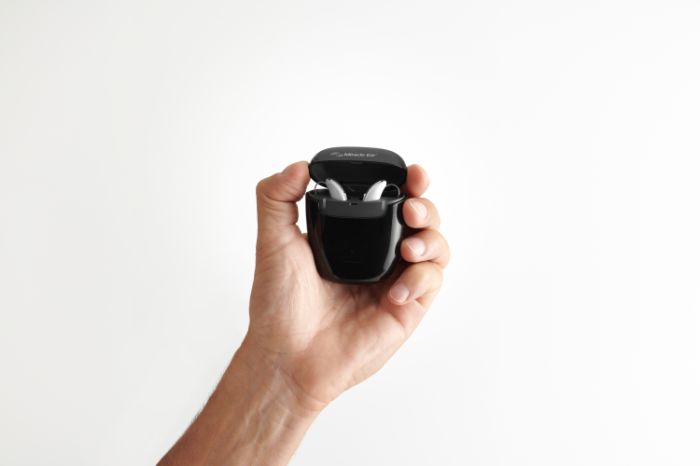
To use a hearing aid battery charger, simply place the hearing aids in the charging slots at night. Most chargers are designed to be simple and automatic—no buttons to press or cables to plug in. Overnight charging usually provides a full day’s use. For travel, look for compact or portable charging options, some of which include built-in battery backups so you can charge your hearing aids even when power outlets aren’t available. Ultimately, the right charger for hearing aid batteries should be reliable, user-friendly, and suited to your hearing aid model and lifestyle needs.
Replacing a hearing aid charger is a straightforward process, but it's important to follow the correct steps to ensure your device continues to function properly. Most rechargeable hearing aids come with a specific charger designed to match the battery type and charging configuration of the device. When a charger is lost, damaged, or stops working, finding a compatible replacement is key. First, check the model and specifications of your hearing aids. Not all hearing aid battery chargers are universal—chargers vary based on battery size, connection type, and power output. Using an incompatible charger can result in poor charging performance or even damage to the hearing aids.
To replace your hearing aid battery charger, contact your hearing care provider or the manufacturer to request the correct model. Many replacements are available through professional clinics or authorized suppliers, and in some cases, they may be covered under warranty if the charger fails within a certain time frame.
When your new hearing aid battery charger arrives, set it up according to the instructions provided. Make sure to plug it into a stable power source and test it with your devices to confirm that both units are charging properly. Some chargers feature indicator lights to show charging status, which can help verify that it's working correctly. Proper care of your new charger, including keeping it clean and dry, will help extend its lifespan. If you travel often, consider having a backup charger on hand to avoid interruptions in your hearing aid use.
Never underestimate the importance of ear care, your hearing might depend on it.
A universal hearing aid charger is designed to work with multiple hearing aid models or brands, but true compatibility is rare. Most hearing aid manufacturers create proprietary chargers tailored to specific devices, especially for rechargeable models using lithium-ion batteries. However, here’s how you can spot a universal hearing aid charger or determine whether one may be compatible with your device:
Universal chargers are convenient but should be used carefully to avoid damaging sensitive hearing technology.
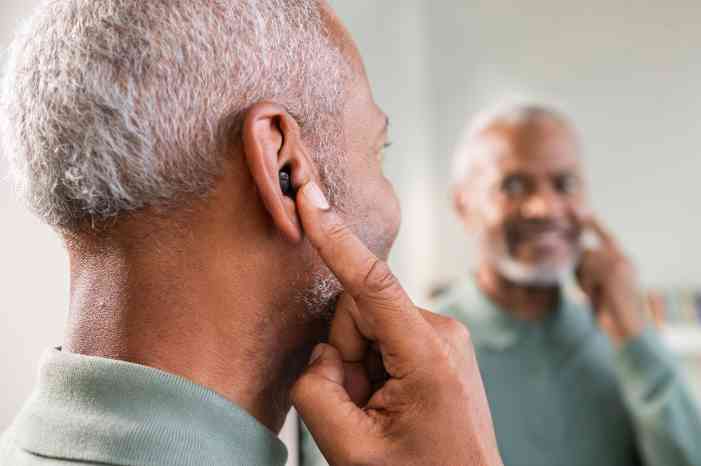
Charging hearing aids without their original charger can be difficult and is generally not recommended. Most modern hearing aids use lithium-ion batteries, which require a specific voltage and charging connection. Using the wrong method or an incompatible charger can damage the battery or the device itself.
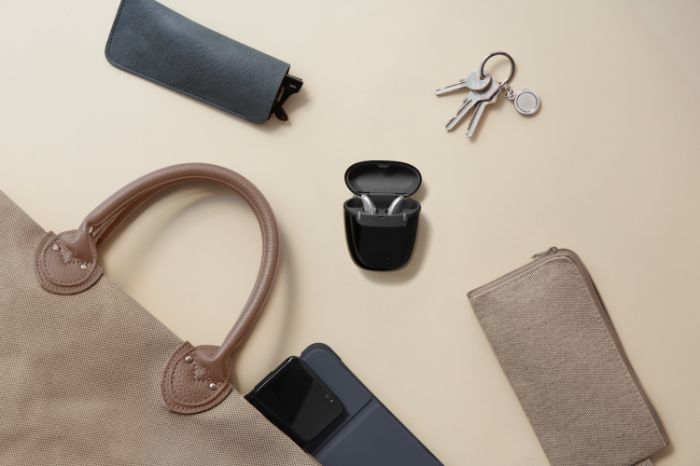
If your hearing aids came with a portable charging case, this can be a helpful backup. These cases store extra power and allow you to charge your devices even when you don’t have access to a wall outlet. It's a good idea to keep the case fully charged and with you, especially when traveling.
In rare cases, some hearing aids support charging through a universal USB-C cable, but this only applies to specific models. Always check your device manual or consult your hearing care provider before attempting to use a different charger. Using a charger not designed for your hearing aids can result in poor performance or permanent damage. If you’ve lost or damaged your charger, the best course of action is to contact your audiologist or hearing aid provider. They may be able to offer a replacement or loaner charger or charge the devices for you at their clinic.
It's important to avoid any DIY charging methods, such as modifying cables or using generic power sources. These approaches are unsafe and can void your warranty. To prevent being caught without power, consider purchasing a spare charger or keeping a backup charging case in your bag. Always use approved equipment to protect your hearing aids and ensure reliable performance.
Join the millions of Americans who have trusted Miracle-Ear for hearing care that’s tailored to their needs.
The time it takes to fully charge rechargeable hearing aids depends on the battery type and the specific model, but for most modern devices, a full charge typically takes between three to five hours. This provides a full day of use, including several hours of streaming for those who use Bluetooth features.
Many hearing aids are designed to be charged overnight, making it easy to build charging into your daily routine. Placing them in the charger before bed ensures they are ready to use the next morning without needing to think about battery life during the day. Some devices also support quick charging. With this feature, placing the hearing aids in the charger for just 30 minutes can provide several hours of operation—helpful if you forget to charge them overnight or need a boost during the day.
The charging process is automatic. Once the devices are placed in the charger, they begin drawing power until fully charged. Indicator lights on the charger usually show the charging status, either by changing color or turning off once the charge is complete.
It’s important to use the charger specifically designed for your hearing aids. Using an incompatible or damaged charger can affect performance or reduce battery life over time. Environmental factors like room temperature and humidity can also impact charging speed and efficiency. For best results, charge your hearing aids in a cool, dry place and avoid exposing them to extreme heat or moisture during charging.
If one of your hearing aids is not charging, there are several steps you can take to identify and resolve the issue. First, inspect the charging contacts on both the hearing aid and the charger. Dirt, moisture, or wax buildup can interfere with the connection. Gently clean the contact points using a dry cloth or a hearing aid cleaning brush—avoid using liquids. Next, reposition the hearing aid in the charger. Sometimes, the device may not be sitting correctly, which prevents the charging pins from making proper contact. Remove and reinsert the hearing aid to ensure it is securely in place. If your charger has indicator lights, check to see if it shows any signal for that ear. A missing or blinking light could suggest a connection issue or a fault in the device.
Try switching the positions of your left and right hearing aids in the charger. If the other side still charges correctly, this can help determine whether the issue lies with the charger or the hearing aid itself. Also, make sure your charger is connected to a working power source. Unplug and reconnect it or try a different outlet to rule out a power issue.
If the problem persists after cleaning and checking the setup, the hearing aid battery or internal components may need professional attention. In that case, contact your local Miracle-Ear center for further evaluation or repair. Avoid using DIY tools or forcing the device into the charger, as this may cause damage.
Learn more about how your hearing works from certified experts.
When you need to replace your hearing aid charger or batteries, it’s important to purchase from a reliable source to ensure compatibility and performance. Your local Miracle-Ear hearing aid center is the best place to start. Miracle-Ear locations carry a wide selection of hearing aid batteries and compatible chargers for all of our products. Our certified hearing care professionals can help you find the exact battery or charger for your device, reducing the risk of buying the wrong product and ensuring everything meets the highest standard for medical-grade electronics.
While some online medical supply stores and retail pharmacies may carry basic hearing aid accessories, they often lack the expertise, product range, and customer service that Miracle-Ear provides. Chargers in particular can be harder to find and are more prone to compatibility issues when purchased from a third-party seller.



.jpg/jcr:content/renditions/cq5dam.web.700.700.jpeg)
 Our experts are here for you wherever you may be

 Find your closest Miracle-Ear center







 Need help with your hearing aids?