Proper care is essential to maintain the performance, hygiene, and longevity of your hearing aids. This guide brings together expert insights from leading audiology sources to provide a complete overview of daily routines, style-specific care, and professional support. Hearing aids are exposed daily to heat, moisture, and earwax, which can corrode internal components, diminish sound quality, and shorten lifespan. Regular maintenance helps prevent costly repairs, enhances device longevity, and ensures optimal hearing performance.
Hearing aids require regular maintenance to function properly and last longer. Hearing aids are exposed to moisture, earwax, and debris every day. Without consistent care, this exposure can damage internal components, reduce sound quality, and lead to malfunctions.
Daily maintenance includes wiping the hearing aids with a soft, dry cloth and gently brushing the microphone and receiver areas to remove debris. Every week, users should check and replace wax guards if required, clean or change domes, and inspect earmolds or tubing for buildup or wear.
Storage also plays a key role. Hearing aids should be kept in a clean, dry space—ideally in a dehumidifying box. Battery doors should be left open overnight to prevent moisture buildup. Rechargeable models should be kept clean and dry in their chargers.
Hearing aids should not be exposed to water, extreme temperatures, or products like hair spray. Battery care is also essential: replace or recharge as needed and clean battery contacts regularly.
Experts recommend professional cleaning and check-ups every 4–6 months, which are included at no cost with Miracle-Ear's free lifetime aftercare. Your Hearing Care Professional can remove deep wax, inspect components, and ensure proper function. Together, daily care and periodic servicing help preserve performance and prevent costly repairs.
The “5 Minute Rule” for hearing aids refers to allowing a newly uncovered zinc-air battery to “breathe” before inserting it—an easy tip that can significantly extend its lifespan. Hearing aid batteries operate using zinc-air chemistry, which is activated when oxygen enters the cell. After peeling off the protective tab, the battery immediately begins draining power as it reacts with the air. By waiting approximately five minutes before inserting the battery into your device, you allow it to fully activate, resulting in notably longer life.
This technique was popularized by an award-winning experiment conducted by an eighth-grader, Ethan Manuell. His tests showed that waiting five minutes before insertion can extend battery life by 2–3 days—an impressive 80% increase for many users. The American Speech-Language-Hearing Association also noted that the 5-minute wait can yield an extra two or three days of use.
To optimize battery performance, purchase fresh batteries, peel the tab only when ready to use, wait at least five minutes before inserting, and store them at room temperature. Combined with nightly habits like opening the battery door to reduce drain, the 5 Minute Rule is a simple but effective strategy to save time and money while maintaining reliable hearing support.
Learn more about how your hearing works from certified experts.
Regular cleaning and maintenance are essential. With just a few simple routines, you can reduce issues, prolong lifespan, and avoid costly repairs by keeping your hearing aids in top condition.
BTE tubes and earmolds may harden, discolor, crack, or clog—typically requiring replacement every ~6 months.
Domes on RIC hearing aids should be checked monthly and replaced every ~3 months to prevent wax buildup and receiver damage.
Wax guards protect receivers; replace them twice a year or when clogged. If a dome or guard falls off in the ear, seek professional removal promptly.
Batteries: leave compartments open at night. Disposable ones typically last 1–2 weeks; don’t let spent batteries sit. Rechargeable models hold ~24 hours, and their lithium-ion battery capacity declines ~10–15% per year—consider replacing before warranty expiration.
Join the millions of Americans who have trusted Miracle-Ear for hearing care that’s tailored to their needs.
Daily handling should be done with care—preferably over a soft surface to prevent damage from drops. Hearing aids should always be kept dry: open the battery doors overnight and use a dehumidifier, especially in humid environments or after physical activity.
Avoid exposing devices to extreme temperatures. Direct sunlight, heaters, and freezing conditions can damage internal electronics. Store your aids in a safe, dry place.
Key maintenance areas include:
Recommended tools include a soft brush, wax pick, dry cloth, vent cleaner, alcohol-free wipes, and (for BTEs) a tubing blower.
Daily cleaning involves wiping and brushing to remove wax and debris. Weekly routines should include deeper cleaning of vents and ports, along with checking and replacing consumables.
Cleaning varies by device:
Finally, schedule regular check-ups every 6 to 12 months to allow your hearing care professional to clean internally, adjust settings, and replace parts professionally.
Proper cleaning is essential to keep your hearing aids functioning effectively and lasting longer. Understanding how to clean a hearing aid the right way helps prevent sound blockages, moisture damage, and costly repairs.
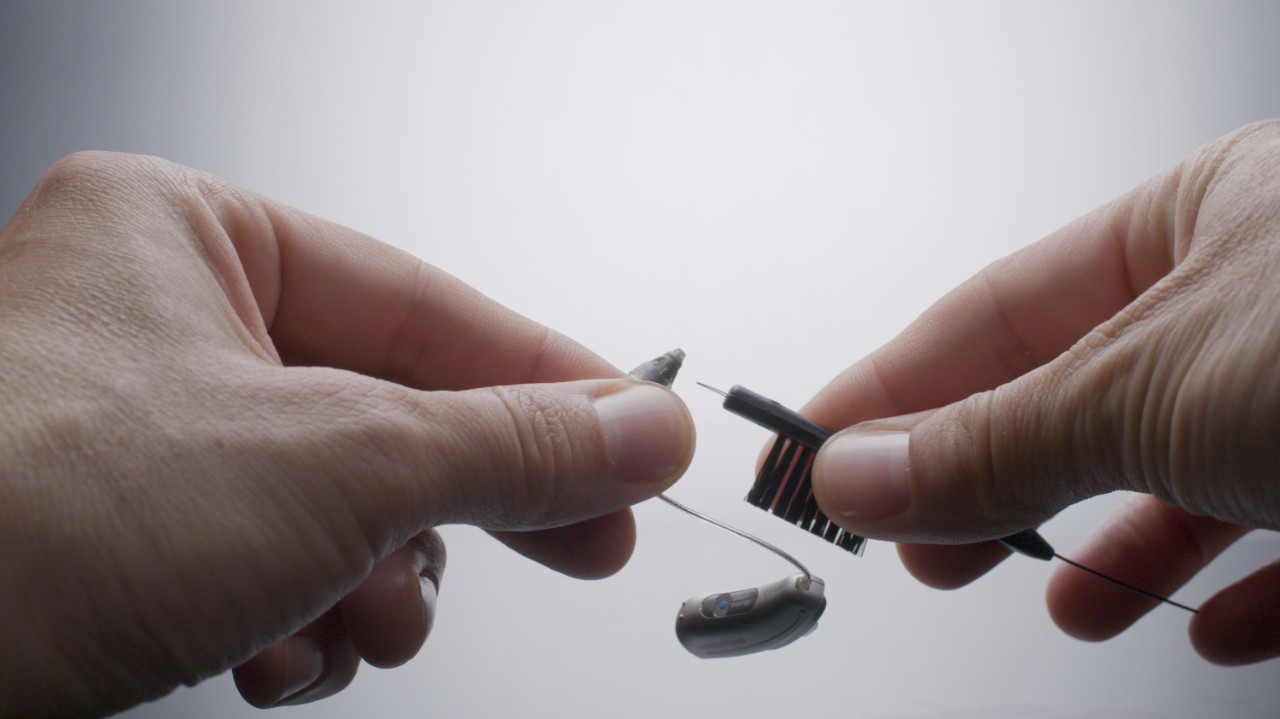
Start by using a soft, dry cloth to wipe down the device daily. This removes surface oils and debris. Most experts recommend using a small brush or the tool provided by your audiologist or hearing care professional to gently clean the microphone and receiver areas. For deeper wax buildup, a wax pick or wire loop can be used carefully, avoiding any insertion into the ports.
We offer solutions that transform hearing, from nearly invisible, comfortable designs to robust AI technology.
The type of device affects the cleaning method. For in-the-ear (ITE) aids, brush and wipe the outer surface, and use a wax tool for vent openings. Behind-the-ear (BTE) models often have earmolds and tubing that can be detached and washed with warm, soapy water—then thoroughly dried before reattaching. Receiver-in-canal (RIC) aids require special attention to the domes and wax guards, which should be replaced as needed.
A high-quality hearing aid cleaner kit, which includes brushes, loops, and cloths, makes regular maintenance easier. Kits are available from your hearing care professional or online.
For best results, consider a professional hearing aid cleaning service every 4–6 months. Hearing care professionals use specialized tools to vacuum out debris, inspect internal components, and check device performance.
Incorporating a consistent cleaning routine and knowing when to seek professional help ensures your devices continue to deliver clear, reliable sound every day.
Cleaning your hearing aids at home is simple and essential for keeping them in good working condition. Here’s how to clean hearing aids properly, based on expert guidance:
For deep cleaning and to avoid stubborn buildup, schedule a clean and check with your hearing care professional every 4–6 months.
Keeping your hearing aids clean and properly disinfected is key to maintaining clear sound, preventing damage, and ensuring good hygiene. Earwax, moisture, and debris can easily build up and impact performance. Following expert guidance, you can safely clean and disinfect your hearing aids at home.

Hearing aids should be cleaned daily, with more thorough maintenance performed weekly.
Consistent maintenance helps prevent common issues like muffled sound, feedback, or device failure. Keeping a routine ensures your hearing aids stay hygienic, comfortable, and working as intended.
One of the best ways to care for your ears and prevent hearing loss is to get them properly examined by a hearing care professional. Find your nearest Miracle-Ear store to get started on your journey to better hearing.
Each type of hearing aid requires tailored care to ensure proper function and longevity. Whether you wear in-the-ear (ITE), in-the-canal (ITC), completely-in-canal (CIC), behind-the-ear (BTE), receiver-in-canal (RIC), or rechargeable hearing aids, proper maintenance routines help prevent damage from moisture, earwax, and debris.
According to expert guidance, baby wipes often contain moisture, alcohol, oils, and fragrances, which can damage the delicate electronic components of hearing aids. These ingredients may corrode the microphone, receiver, or battery contacts and introduce moisture into internal circuits—leading to malfunction or reduced performance.
For safe cleaning, use only:
If you want to disinfect your hearing aids, choose wipes or sprays specifically designed for hearing aids. Always apply sprays to a cloth—not directly on the device. Never use cleaning sprays or wipes on non-water-resistant devices.
Proper storage in a dry case or dehumidifier, along with regular professional cleanings, helps keep your devices working safely and hygienically.
Learn more about how your hearing works from certified experts.
Hearing aid cleaning kits are essential for keeping your devices in good condition and ensuring clear, consistent sound. With the right tools and techniques, you can easily manage daily buildup and prevent long-term issues like wax blockages or moisture damage.
A typical hearing aid cleaning kit includes a soft-bristled brush, a wax pick or loop, a vent cleaner or tubing threader, and a soft, lint-free cloth. Some kits also feature a bulb blower for cleaning tubing in behind-the-ear (BTE) models or non-alcohol disinfectant wipes specifically designed for hearing aids.
One of the most important tools is the brush. Use it daily to gently clean the microphone and receiver areas. Always hold the hearing aid with the openings facing downward so any loosened debris falls away rather than into the device. Avoid pressing too hard, as this can damage sensitive components.
Wax picks or loops are best for weekly maintenance. These help remove stubborn wax from vent holes or receiver ports. Work slowly and carefully—never insert anything deep into the device.
To maintain hygiene, clean the tools themselves after each use and store them in a dry, clean place. Replace brushes regularly—typically every few months or when the bristles start to wear.
Avoid using household items like toothbrushes or metal objects, which can be too abrasive or sharp. For best results, combine at-home care with a professional hearing aid cleaning service every 4 to 6 months. This ensures your devices remain clear, functional, and comfortable to wear.
Even with proper care, hearing aids can occasionally malfunction or wear out over time. Understanding when and how to seek hearing aid repairs can help you avoid long periods without hearing support and prevent further damage.
Common issues include distorted or weak sound, feedback, battery connection problems, or visible damage to components like tubing, domes, or receivers. In many cases, basic maintenance—such as replacing a wax guard or cleaning battery contacts—can resolve the issue. However, if cleaning doesn't help, it may be time for professional repair.
Hearing aid repairs can be done through hearing clinics, audiology practices, or specialized repair shops. Many clinics offer in-house services for minor fixes like replacing domes, receivers, or battery doors. More complex repairs, such as fixing internal electronics, may require the device to be sent to the manufacturer.
If your device is still under warranty, repairs are often covered at no cost. Out-of-warranty services may include diagnostic fees or part replacement costs, depending on the issue and device age.
Some hearing care professionals offer hearing aid repair services by mail, allowing you to ship the device and receive it back after servicing. Turnaround times can vary, typically from a few days to a week.
It’s recommended to visit a hearing care professional every 4 to 6 months for routine cleaning and inspection. These visits can help detect issues early and reduce the need for major repairs. With timely care and expert support, most hearing aids can be restored to full function.
Recognizing early signs of hearing aid malfunction can help you address issues promptly and avoid interruptions in hearing support. Here are the most common symptoms to watch for, according to hearing care experts:
If you notice any of these signs, try basic troubleshooting. If the issue persists, schedule a visit to Miracle-Ear for a professional evaluation.
Do your best to keep your hearing aid protected from moisture and rain to prevent water damage. Be sure to wipe off your device each day for optimal hearing aid maintenance. Read about how to dry out wet hearing aids in case of excessive moisture.
Travelling with hearing aids requires a bit of planning to ensure they stay clean, dry, and functional throughout your trip. Whether you're going on a short getaway or an extended journey, the right care routine helps avoid disruptions and damage.
With proper travel care, your hearing aids will continue to provide clear, reliable sound wherever your journey takes you.
Exercising with hearing aids is common and safe, but extra care is needed to protect them from sweat, moisture, and physical impact. By following a few simple steps, you can keep your hearing aids in good condition during workouts.
With the right precautions, you can enjoy clear sound and full functionality from your hearing aids—even during exercise.



 Meet with a licensed expert

 Need help with your hearing aids?

.jpg/jcr:content/renditions/cq5dam.web.700.700.jpeg)


 Find your closest Miracle-Ear center



 Choosing a hearing aid dehumidifier or dryer