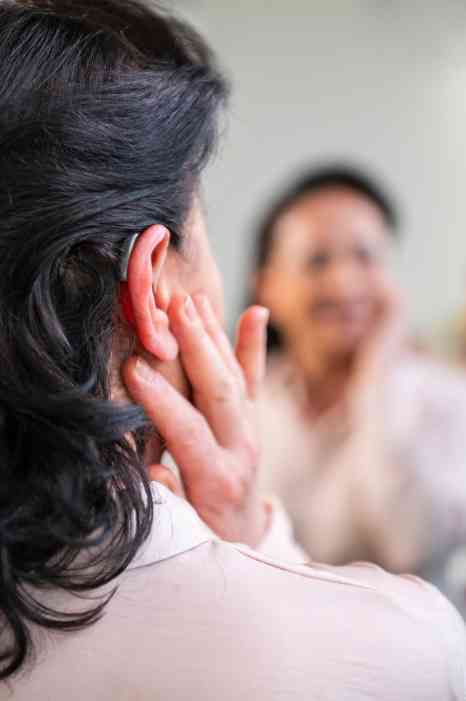
Earwax plays an important role in ear health. It protects the sensitive skin inside the ear canal, helps block dirt and bacteria, and even assists with cleaning and lubrication. But when there’s too much, earwax can become a problem, especially if it keeps your hearing aids from working the way they should.
For Miracle-Ear wearers, earwax buildup is one of the leading causes of hearing aid repairs, along with moisture and battery issues. When wax blocks the device, sound can become weak, distorted, or stop altogether.
The good news is that there are simple steps you can take at home to keep your Miracle-Ear hearing aids in top shape between visits to your hearing care professional.
If you currently wear hearing aids or are considering whether they may be right for you, it’s important to understand how to clean hearing aids of wax. While certain chargers can also help clean and dry certain hearing aids, self-cleaning hearing aids don’t exist yet. However, learning how to remove earwax when you wear hearing aids is simple, quick, easy, and an important way to keep your hearing devices working well for as long as possible.
Before we cover the details, here are few tips to help you get started:
One of the best ways to care for your ears and prevent hearing loss is to get them properly examined by a hearing care professional. Find your nearest Miracle-Ear store to get started on your journey to better hearing.
Hearing aids come in different shapes and sizes. For many models, the outer part of the hearing aid (the shell) conceals and protects the technology inside, while the portion of the hearing aid that sits in the ear sends sound directly through the ear canal. This part is called the receiver, and it’s covered by a small protective dome.
Because of the receiver’s exposure to the ear canal, earwax buildup and hearing aids often go hand in hand. In fact, wax on the receiver is the most common cause of hearing aid failure. Checking the following parts of your hearing aids for wax each day can help prevent problems.
Most hearing aids come with filters and wax guards. These guards play an essential role in protecting the technology inside. Typically, wax filters should be replaced about once a month or, in some cases, even more often.
To check these filters, remove the protective dome covering the hearing aid receiver. If it appears that the wax guard is plugged, that means it’s time to replace it.
Sound bores are part of the hearing aid receiver on the hearing aid tip or earmold. Once the hearing aid picks up and processes sounds in your environment, the sound is transferred into your ear through the sounds bores in the hearing aid tip.
When sound bores are clear and free of wax, sound quality is crisp and clean, helping you interpret speech, music and other everyday sounds with precision. When wax is in the way, sound might come through softer or more muffled. Check hearing aid tips daily for visible signs of wax on the dome as well as underneath it.
Behind-the-ear (BTE) hearing aids have clear plastic tubes that connect the parts that sit behind the ear to those sitting in the ear canal. As wax gets into the sound bores and hearing aid tips, it can also affect the hearing aid tube.
When this part of the hearing aid becomes clogged, sound transmission is compromised. Watch for discoloration and other signs of debris in the tube, and find tube cleaning tips farther below in this blog.
To keep your cleaning tools organized and in one place, a kit can be helpful. Kits may be included with your hearing aids, but can also be purchased from your hearing care professional. You can also buy individual pieces and build your own kit. Create your own hearing aid cleaning kit with these helpful tools:
BTE hearing aid tubes need to be cleaned from time to time. If you have this type of device, it’s important to understand how to clean wax out of hearing aid tubes.
Check these tubes for debris and wax each day and use a dry, soft cloth to wipe down the exterior as needed. If you notice any visible blockages, detach the tubing from the hearing aid and pass a cleaning thread through the tube before reattaching.
A hearing care professional can also show you how to remove wax from hearing aid tubes during an appointment.
Cleaning your hearing aids every night before bed or in the morning before you put them on is one of the best ways to preserve them. Without this important step, hardened wax can build up over time and become difficult to remove.
Common options:
Softening drops are applied for a few days to loosen wax, then flushed out gently with warm water using a small bulb syringe.
These use a controlled stream of water to rinse out wax. They should always be used with caution and low pressure.
In addition to earwax removal from the ear canal, devices designed to clean the hearing aids themselves can help reduce buildup and moisture.
Join the millions of Americans who have trusted Miracle-Ear for hearing care that’s tailored to their needs.
Wax guards are tiny but mighty, protecting your hearing aid technology and allowing for clear sound quality. To do their job, they need to be replaced every four weeks. If you’re prone to producing a lot of earwax, replacing them even more often is a good idea. Hearing aid wax guard replacement takes just a few seconds. Find steps for how to do so here.
As powerful as hearing aids are, they’re also very delicate. Sharp objects and excessive force can cause damage, so stick with the standard cleaning tools and use them with care. Work at a smooth surface, such as a table or desk, with bright lighting to make your cleaning process easier.
If any specialized adjustments are needed, always talk to your hearing care professional rather than trying to figure it out on your own.
In addition to a regular at-home cleaning routine, professional cleanings will help keep your devices functioning at their best for as long as possible. A hearing care professional will be able to do a deep cleaning, check all hearing aid parts, and address debris buildup to maintain your devices.
Never underestimate the importance of ear care, your hearing might depend on it.
Because earwax and hearing aids are both located in the ears, hearing aids will inevitably encounter wax. Earwax is one of the leading causes of hearing aid problems.
Here’s how it can affect your devices:
This is why daily cleaning and regularly replacing wax guards are strongly recommended. Hearing care professionals also offer professional cleanings to safely remove wax both from the device and, if necessary, from your ears.
A lot of newer hearing aid wearers wonder, “Do hearing aids cause earwax to build up more?” The answer is yes.
Because all hearing aids have parts that sit inside your ear, the natural outward movement of earwax gets impeded or blocked. That inevitable buildup is the reason why it’s so important to stay on top of cleaning earwax from your hearing aids.
Do not use sharp objects, cotton swabs, water, or household cleaners. These can damage sensitive components or push wax deeper.
Learn more about how your hearing works from certified experts.
Excess wax may block sound openings, clog filters, or even damage sensitive components inside the device. The good news is that there are simple steps you can take to minimize buildup and keep your hearing aids performing at their best.
Finally, schedule routine professional check-ups. Regular ear examinations and device cleanings help prevent larger issues from developing. By combining daily care with professional support, you can reduce earwax buildup and enjoy clear, reliable hearing through your aids.
It’s important to not get your hearing aids wet unnecessarily. Stick to the advice and recommended tools above for proper cleaning. A soft, dry cloth or small hearing aid brush will remove wax without exposing your devices to liquid, moisture, or products that could harm them.
The answer depends on the type of cleaning:
Don and Mary Anne have been loyal Miracle-Ear customers for years. From our knowledgeable experts to lifetime aftercare, Miracle-Ear is prepared to serve you and your loved ones for years to come.
Now you may be wondering, “How often should you change wax filters in hearing aids?” If you’re prone to extra earwax, replace wax filters as soon as you notice wax buildup. This timing will vary from person to person; it may be a week, a month, or somewhere in between. When you notice excess wax, replace filters right away to maintain hearing aid performance.
Here’s a step-by-step guide on how to safely remove and replace wax guards in hearing aids. These tiny filters protect the speaker from earwax, but once clogged, they should be swapped out—not cleaned.
Wax guards (also called wax filters) are tiny protective components that sit at the opening of many hearing aids, especially in-the-ear and receiver-in-canal styles. Their job is to keep earwax and debris from reaching the delicate speaker inside. They should not be cleaned and reused.
Because they are so small and designed to trap wax, attempting to clean them is usually ineffective and can damage the filter. Once a wax guard is clogged, the best practice is to replace it with a new one.
Wax guards are meant to be replaced, not cleaned.
Audiologists and hearing care professionals have several safe, clinical methods for removing earwax. The technique they choose depends on the amount, location, and texture of the wax, as well as the patient’s ear health.
Here are the main ones:
Audiologists and hearing care professionals avoid unsafe methods like cotton swabs or sharp household objects, which can push wax deeper or damage the eardrum.




 Meet with a licensed expert

 Find your closest Miracle-Ear center





.jpg/jcr:content/renditions/cq5dam.web.700.700.jpeg)