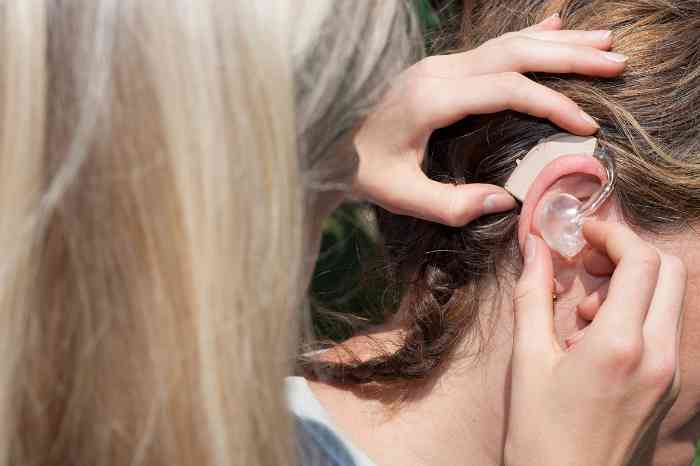
An earmold is a custom in-ear piece designed to meet the wearer’s specific needs. Its main functions are either to direct amplified sound into the ear or to protect against harmful noise. It has no electronics or power sources and typically resembles a small plug that fits securely in the ear canal.
Because earmolds sit inside the ear, they can collect earwax, moisture, and bacteria, which may affect both hygiene and performance. Regular cleaning is therefore essential to keep them comfortable, safe, and working properly. You can learn more about how to care for them in the following article.
Earmolds come in different styles and serve different functions depending on the wearer’s needs. When designed for hearing protection, they create a seal in the ear canal to block out harmful levels of noise and prevent damage. For sound amplification, earmolds also seal the ear canal but are shaped to direct sound from a hearing aid or another amplified device straight into the ear. Custom earmolds are especially useful when a clear signal is needed without interference from outside noises. They are commonly used by pilots, musicians, broadcasters, law enforcement officers, and individuals who wear hearing aids.
Regular care and cleaning of hearing aids and earmolds help keep them working effectively and hygienically.
One of the best ways to care for your ears and prevent hearing loss is to get them properly examined by a hearing care professional. Find your nearest Miracle-Ear store to get started on your journey to better hearing.
A hearing aid earmold replacement involves changing the custom piece that sits in the ear and directs sound from the hearing aid into the ear canal. Since earmolds are made from materials such as silicone, vinyl, or acrylic, they can wear down, harden, or lose their shape over time, and the fit may change as the ear itself changes.
Most adults need a new earmold every one to two years, while children often require replacements more frequently due to ear growth. An earmold should also be replaced sooner if it becomes cracked, discolored, hardened, uncomfortable, or if it starts causing feedback or whistling.
Replacing the earmold helps maintain comfort, ensures a secure fit, improves sound quality, and supports better hygiene, as older earmolds can be harder to clean and may harbor bacteria. The process usually begins with a hearing care professional (HCP) removing the old earmold and taking a fresh impression of the ear. A new earmold is then made to match the ear’s unique shape and the type of hearing aid used.
In between replacements, proper care helps extend the earmold’s life. This includes regular cleaning with mild soap and warm water for standard earmolds, daily wiping and disinfecting, and using a drying kit or dehumidifier to prevent moisture damage.
The size and design of an earmold depend on several factors, including the shape of the wearer’s ear canal, the purpose it serves, and the degree of sealing needed. Because every ear is uniquely shaped, each earmold must be custom-made to ensure a secure and comfortable fit within the canal.
When used for noise protection, earmolds are generally larger and cover most of the lower external ear, including the front portion of the ear canal, the full concha, and much of the cymba. This style allows little variation, as the main objective is to create a tight acoustic seal that shields the ear from harmful sound levels.
Learn more about how your hearing works from certified experts.
By contrast, earmolds designed for hearing aids come in a wider range of sizes and shapes. Since they do not always need to fully seal the ear, they can be smaller and may only occupy the front section of the ear canal, leaving the rest of the ear open.
As a general guideline, the size of a hearing aid earmold is linked to the power of the hearing aid itself: the higher the power requirement, the larger the earmold will need to be.
Earmolds are typically made from either soft materials, such as silicone or vinyl, or hard materials, such as Lucite and other acrylics. Some manufacturers also produce earmolds using proprietary blends that combine different materials. Soft materials are often chosen for hearing protection or when a wearer finds harder substances uncomfortable inside the ear. Harder materials, on the other hand, are preferred for their durability and ease of handling. In certain cases, soft earmolds may not be suitable, such as when the wearer has delicate outer ear tissue that could be easily damaged or when there is a silicone allergy.
Here’s a clear step-by-step guide on how to clean custom earmolds for hearing aids:
Join the millions of Americans who have trusted Miracle-Ear for hearing care that’s tailored to their needs.
Anyone who uses earmolds is at risk of developing an ear infection if the device becomes contaminated. The most common way germs spread is through direct or indirect contact, which makes proper hygiene essential. Preventing infections requires more than simply wiping the earmold’s surface; it must be cleaned and disinfected every day.
Sterilization is only necessary if the earmold has been in contact with potentially infectious bodily fluids, such as blood or mucus. In such cases, the earmold should be taken to an audiologist or hearing aid specialist. The professional will detach it from the device and soak it in a germicidal solution for a set period.
Maintaining a strict routine of cleaning, disinfecting, and safe storage is key to keeping earmolds hygienic and safe for daily wear.
There are two main types of earmolds: those with a built-in speaker/receiver and those without, and each requires a different cleaning method. If you’re not sure which type you have, consult your hearing care professional. The following instructions apply to earmolds without a speaker.
These molds are typically paired with behind-the-ear (BTE) hearing aids. Because they are custom-shaped to match the unique curves of the ear, they provide a secure and comfortable fit.
Earmolds without a speaker can be washed once they are detached from the hearing aid. By contrast, earmolds that contain a speaker should never be washed, so it’s important to know which type you use.
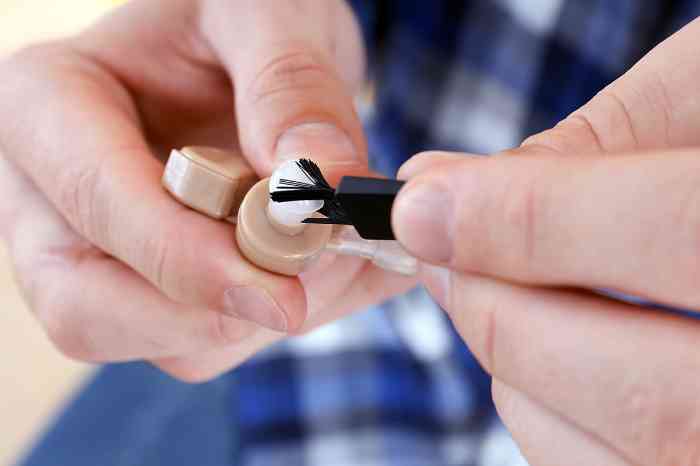
For routine cleaning, wipe the earmold’s surface with a soft cloth and use a wire loop tool to carefully remove any buildup from the opening. Regular maintenance will help keep the earmold hygienic and properly working.
Never underestimate the importance of ear care, your hearing might depend on it.
When cleaning hearing aid molds, it is recommended to wear gloves for hygiene and safety. Begin by identifying which mold belongs to each hearing instrument before removing them. Carefully detach the tube and mold from the hearing aid by holding the hook securely and gently pulling off the tube, as pulling on the mold itself could damage the device. Once separated, wash the mold and tube with mild soap and water. Rinse thoroughly to remove any residue, then allow them to dry completely before reconnecting them to the hearing aid.
Proper care of earmolds is essential for maintaining comfort, sound quality, and hygiene when using hearing aids. A hearing aid earmold cleaner is designed to remove earwax, dirt, and moisture from the mold’s surface and openings. Regular cleaning prevents blockages that can affect performance and reduces the risk of infections. For a more complete routine, many people rely on a hearing aid earmold kit, which usually includes brushes, wire loops, air blowers, and disinfectant wipes. These tools make it easier to keep the earmold in good condition on a daily and weekly basis.
In some cases, users may find inserting earmolds uncomfortable. A hearing aid earmold lubricant can be applied to make insertion smoother and to improve the seal inside the ear canal, ensuring both comfort and stability. Choosing the right design is also important. There are various hearing aid earmold styles, ranging from full-shell molds that provide maximum stability and noise reduction to smaller, open styles that allow more natural sound and airflow. Finally, attention should be given to the hearing aid earmold tubing, which connects the mold to the hearing aid. Tubing can harden or crack over time and should be replaced regularly to maintain clear sound transmission.


 Start your journey towards better hearing

 Meet with a licensed expert

 Find your closest Miracle-Ear center

.jpg/jcr:content/renditions/cq5dam.web.700.700.jpeg)



 Are you experiencing hearing loss?